Jono Maryono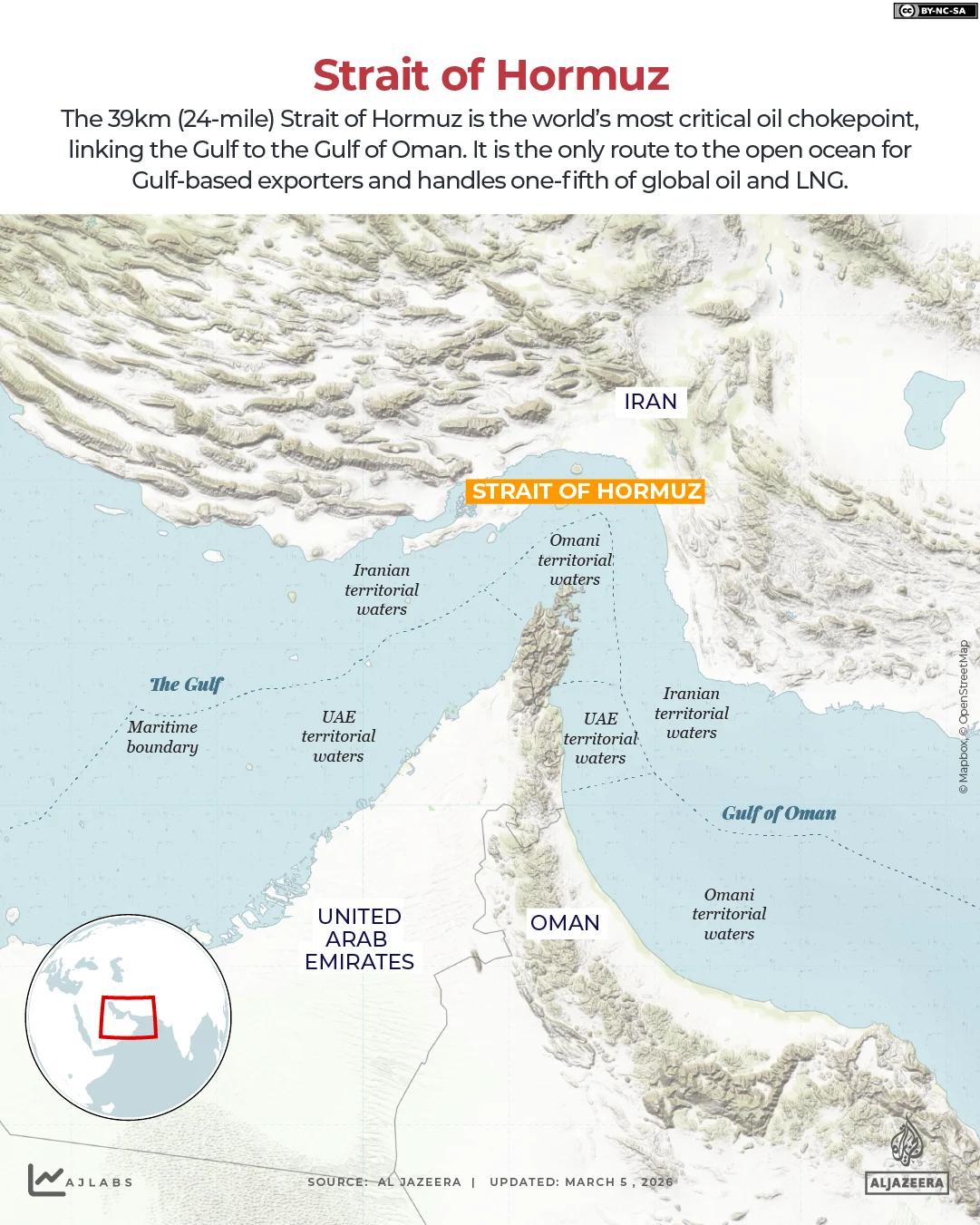
Muscat and Tehran have engaged in high-level diplomatic discussions, focusing on securing the unimpeded transit of maritime traffic through the strategically vital Strait of Hormuz, a waterway that Iran has effectively constrained amidst escalating regional conflicts. The talks, held at the deputy foreign minister level, underscore the growing international concern over potential disruptions to global energy supplies and the broader implications for maritime security.
According to an announcement by the Omani Ministry of Foreign Affairs on Sunday, the Saturday meeting involved undersecretaries from both nations’ foreign ministries, accompanied by specialized officials. The primary agenda item was the exploration of "possible options regarding ensuring the smooth passage through the Strait of Hormuz during these circumstances witnessed in the region." The ministry further elaborated that "experts from both sides presented a number of visions and proposals that will be studied," indicating a comprehensive approach to addressing the complex challenges.
The significance of these discussions cannot be overstated. The Strait of Hormuz, a narrow 21-mile-wide channel separating Iran and Oman, is a critical chokepoint for global energy shipments. Approximately 20% of the world’s total petroleum liquids supply, including crude oil and refined products, transits through this vital artery annually. Its strategic importance means any disruption can have immediate and far-reaching consequences for global energy markets, influencing prices and potentially impacting the economic stability of importing nations.
Background: A Volatile Geopolitical Landscape
The current tensions in the Strait of Hormuz are intrinsically linked to the ongoing military conflict initiated on February 28th. This conflict has triggered a series of retaliatory actions and heightened geopolitical sensitivities across the Middle East. Iran, in response to the war, has significantly restricted maritime traffic, citing security concerns and as a leverage point in the broader geopolitical landscape. This has led to a precarious situation where legitimate commercial shipping faces uncertainty and potential delays.
Since the commencement of the war, Iran’s Islamic Revolutionary Guard Corps (IRGC) has been responsible for managing vessel passage. While some ships, including those linked to Pakistan, France, and Turkey, have been permitted transit, a substantial number, estimated at around 3,000 vessels, remain stranded or rerouted. This selective approach has created a climate of apprehension for international shipping companies and has contributed to the volatility observed in energy markets.
Recent Developments and Maritime Observations
Coinciding with these diplomatic efforts, shipping data monitored by Lloyd’s List, a prominent maritime journal, revealed the presence of three Omani vessels transiting the Strait of Hormuz on Sunday. These ships, comprising two large oil supertankers and one liquefied natural gas (LNG) carrier, were observed navigating in proximity to the Omani coast, reportedly outside Iran’s "approved corridor" near Larak Island. This observation, while specific to Omani-flagged vessels, could be interpreted as a demonstration of Oman’s commitment to maintaining its maritime interests and potentially as a signal of its diplomatic engagement with Iran. The close proximity to the Omani coast might also indicate a coordinated or tacit understanding regarding safe passage for Omani-registered shipping.
Timeline of Escalation and Diplomatic Engagement

The current diplomatic maneuvers are occurring against a backdrop of heightened rhetoric and concern. Prior to the Omani-Iranian talks, an Iranian official on Thursday indicated that Tehran was in the process of drafting a protocol with Oman specifically designed to monitor traffic within the Strait. This announcement signaled an intent to formalize mechanisms for managing the waterway, albeit under Iranian oversight.
The economic implications of any sustained disruption are profound. The Strait of Hormuz is a critical artery for energy supplies destined for Europe and Asia. Disruptions here inevitably inject volatility into global energy markets, forcing oil- and gas-importing nations to explore alternative, and often more expensive, supply routes. This economic pressure can have significant domestic political ramifications for governments reliant on stable energy imports.
International Reactions and Calls for De-escalation
The escalating tensions have drawn international attention and prompted calls for diplomatic intervention. United States President Donald Trump, in a social media post over the weekend, issued a stark warning, threatening severe repercussions if the Strait was not reopened by Monday. This statement reflects the high stakes involved for major global economies and highlights the potential for further escalation if diplomatic avenues are not pursued effectively.
In parallel, regional diplomatic efforts are underway to foster de-escalation. Egypt’s Ministry of Foreign Affairs announced on Sunday that its Foreign Minister, Badr Abdelatty, had engaged in separate telephone conversations with U.S. Special Envoy Steve Witkoff and regional counterparts, including Iranian Foreign Minister Abbas Araghchi. These discussions reportedly focused on proposals for regional de-escalation, indicating a broader diplomatic push to address the underlying causes of the current crisis.
Analysis: The Delicate Balance of Diplomacy and Security
The engagement between Oman and Iran represents a critical diplomatic effort to navigate a highly sensitive geopolitical situation. Oman, with its strategic location bordering the Strait of Hormuz and its history of neutral diplomacy, is well-positioned to act as a mediator. The inclusion of "specialists" and the presentation of "visions and proposals" suggest a willingness to explore practical solutions, potentially involving joint monitoring mechanisms, agreed-upon transit corridors, or other confidence-building measures.
The underlying challenge remains the fundamental divergence in interests and the broader geopolitical context. Iran’s actions in restricting passage are clearly linked to its response to the ongoing conflict, which has intensified regional rivalries and concerns about its nuclear program. Any sustainable solution will likely require addressing these broader geopolitical issues.
Professor Amin Saikal, an emeritus professor at the Australian National University, emphasized the severe consequences of an expanded regional conflict, stating that "an expansion of the war is going to be hell for the whole region." He underscored the necessity of a "negotiated settlement." However, he also cautioned that "at this stage, the door for a diplomatic solution seems to be very narrow, unless President Trump decides that this conflict has caused so many problems for him domestically, as well as internationally, that it is really time to reach some compromise with the Iranians." This perspective highlights the complex interplay of domestic politics, international relations, and the imperative for pragmatic compromise in resolving such intricate crises.
The talks between Oman and Iran are a crucial step, but their success will depend on the willingness of all parties involved to prioritize de-escalation and to engage in genuine dialogue. The world is watching closely, aware that the stability of the Strait of Hormuz is directly linked to the stability of global energy markets and, by extension, to the global economy. The coming days and weeks will be critical in determining whether these diplomatic overtures can translate into a tangible easing of tensions and a secure future for this vital waterway. The international community will be keenly observing the outcomes of these discussions and the potential for broader diplomatic initiatives to address the root causes of the current maritime insecurity.