Ferry Irwandi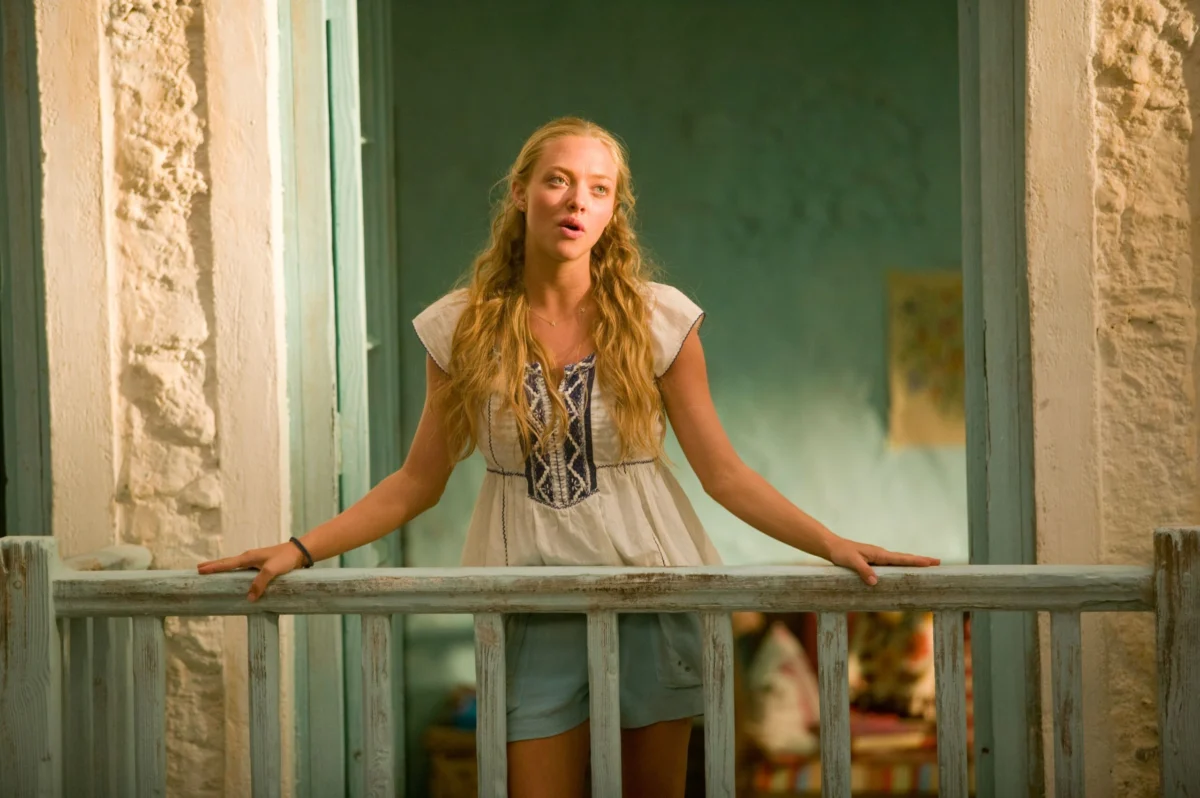
The cinematic adaptation of Mamma Mia! has, over the course of nearly two decades, evolved from a popular jukebox musical into a global cultural phenomenon. Released in 2008, the original film—based on Catherine Johnson’s 1999 British musical—leveraged the timeless discography of ABBA to create a visual and auditory love letter to the Mediterranean. While the narrative centers on the fictional Greek island of Kalokairi, the actual production history of the franchise spans two different nations, several islands, and multiple world-class soundstages. As rumors of a third installment targeted for a 2026 release continue to circulate, the legacy of the first two films remains inextricably linked to the sun-drenched landscapes of Greece and Croatia.
The Greek Genesis: Skopelos and the Birth of Kalokairi
When production for the first Mamma Mia! film began in the summer of 2007, director Phyllida Lloyd and her team sought a location that embodied the rugged, unpretentious beauty of the Aegean. They found it in Skopelos, an island in the Western Sporades. Unlike the more commercialized hubs of Mykonos or Santorini, Skopelos offered a lush, pine-forested backdrop that contrasted sharply with the deep blue of the sea.

Skopelos holds a storied place in Greek mythology, purportedly founded by Staphylos, the son of Dionysos and Ariadne. This mythological pedigree provided an appropriate atmosphere for a story rooted in celebration and Dionysian revelry. The production focused heavily on several key sites that have since become landmarks for international travelers.
Kastani Beach: The Musical Epicenter
Kastani Beach served as the primary location for some of the film’s most high-energy musical numbers. It was here that the characters Sophie (Amanda Seyfried) and Sky (Dominic Cooper) performed "Lay All Your Love on Me," and where Tanya (Christine Baranski) delivered the spirited "Does Your Mother Know." At the time of filming, the beach was relatively secluded. The production team constructed a temporary wooden jetty and a beach bar for the film; while these structures were removed following the wrap of production to adhere to local environmental regulations, the beach itself remains a top-tier destination for "screen tourists."
Glysteri and the Villa Donna
While the interior of the Villa Donna—the hotel owned by Donna Sheridan (Meryl Streep)—was a meticulously crafted set at Pinewood Studios in the United Kingdom, its exterior identity was forged at Glysteri. Located on the island’s eastern coast, Glysteri provided the cliffs from which Sophie and her three potential fathers (played by Pierce Brosnan, Colin Firth, and Stellan Skarsgård) famously plunged into the sea during the "Our Last Summer" sequence. The rocky outcrops and olive groves of this area defined the aesthetic of the Sheridan estate, blending the natural topography of Greece with Hollywood art direction.

The Agios Ioannis Chapel
Perhaps the most iconic location in the first film is the Agios Ioannis Chapel, perched atop a 100-meter rock formation near the town of Glossa. The chapel, accessible only via a steep staircase carved into the stone, served as the wedding venue. In reality, the chapel’s interior is far too small to accommodate a film crew and a wedding party, holding only about ten people. Consequently, the interior wedding scenes were filmed on a soundstage designed to replicate another local landmark, the Panayitsa tou Pirgou, located by the Skopelos harbor.
The Croatian Shift: Moving to Vis for the Sequel
A decade later, for the 2018 sequel-cum-prequel Mamma Mia! Here We Go Again, the production made a surprising geographical shift. Despite the story remaining set on the fictional Kalokairi, the crew relocated to the island of Vis in Croatia. This decision was influenced by several factors, including Croatia’s competitive filming incentives and the pristine, untouched nature of the island.
Vis is the most offshore of the inhabited Dalmatian islands and spent much of the 20th century as a closed military base for the Yugoslav People’s Army. This isolation preserved the island from the rapid tourism development seen elsewhere in the Mediterranean, providing a "time-capsule" quality that suited the film’s 1970s flashback sequences featuring Lily James as a young Donna.

Komiza and Barjoska Bay
The village of Komiza, located on the western side of the island, served as a primary hub for the production. The crew spent six weeks on the island, significantly impacting the local economy. To facilitate filming at the remote Barjoska Bay, the production team actually funded the construction of a new road, which now provides easier access to that portion of the coast for locals and visitors alike.
Stiniva Beach and Srebrna Bay
Vis is home to Stiniva Beach, frequently cited as one of the most beautiful beaches in Europe. Its unique geography—a narrow sea entrance flanked by towering cliffs—made it a natural choice for the film’s sweeping cinematography. Srebrna Bay (Silver Bay) was also utilized for the romantic, moonlit stroll between young Donna and young Sam (Jeremy Irvine). The limestone pebbles and clear waters of these bays helped maintain the visual continuity of the franchise while introducing a slightly different, Adriatic aesthetic.
Historical Landmarks: St. Jeronim and Palaca Jaksa
The 16th-century monastery of St. Jeronim, situated on the Prirovo peninsula, was featured during the scenes involving young Bill (Josh Dylan) and the fisherman Alexio. The island’s history was further integrated into the production through the cast’s accommodations. Amanda Seyfried reportedly stayed at the Palaca Jaksa, a 17th-century stone mansion that once served as a headquarters for the island’s resistance fighters during World War II.

Chronology of the Mamma Mia! Franchise
To understand the scale of the production, it is helpful to look at the timeline of the franchise’s development:
- April 1999: The musical Mamma Mia! premieres at the Prince Edward Theatre in London’s West End.
- Summer 2007: Principal photography begins on the first film in Skopelos, Greece, and Pinewood Studios, UK.
- July 2008: Mamma Mia! is released in cinemas, eventually grossing over $611 million worldwide.
- November 2008: The DVD becomes the fastest-selling UK DVD of all time.
- Summer 2017: Filming for the sequel begins on the island of Vis, Croatia, and Shepperton Studios, UK.
- July 2018: Mamma Mia! Here We Go Again premieres, grossing over $402 million.
- 2023–2024: Producers and cast members, including Christine Baranski and producer Judy Craymer, publicly discuss the development of a third film.
Supporting Data: The Economic Impact of "Set-Jetting"
The "Mamma Mia! Effect" is a well-documented phenomenon in the travel industry, often referred to as "set-jetting"—where tourists visit specific locations seen in films.
According to data from the Greek Ministry of Tourism, Skopelos saw a significant uptick in international arrivals following the 2008 release. Before the film, the island was primarily a destination for domestic Greek travelers; afterward, it saw a surge in visitors from the UK, Scandinavia, and the United States. Similarly, Croatian tourism officials reported that the island of Vis experienced a 20% increase in tourist arrivals in the year following the sequel’s release.

The production of Mamma Mia! Here We Go Again also provided a direct boost to the Croatian economy. The Croatian Audiovisual Centre (HAVC) noted that the production spent roughly $4.5 million during its six-week shoot on Vis, employing over 220 local professionals and hundreds of extras.
Official Responses and Production Logistics
The decision to film in different locations for the two movies was not without controversy. Many fans were surprised that the sequel did not return to Skopelos. Producer Judy Craymer addressed this by noting that while Skopelos would always be the "spiritual home" of the franchise, the logistical requirements of the sequel—including larger sets and more complex flashback sequences—were better met by the infrastructure and incentives available in Croatia at the time.
In Greece, the legacy of the film is handled with a mix of pride and preservation. Local authorities on Skopelos have been careful not to over-commercialize the sites. For instance, the Agios Ioannis Chapel remains a functional religious site, and while it welcomes tourists, it maintains its traditional character.

Broader Impact and Implications
The success of the Mamma Mia! films has influenced how Mediterranean nations approach film tourism. Greece, in particular, updated its film tax incentive programs in the years following the first movie to ensure it could compete with neighboring countries like Croatia and Italy for future big-budget productions.
Furthermore, the films have cemented ABBA’s music as a cross-generational staple. The "sunshine noir" or "feel-good" genre that Mamma Mia! occupies has created a blueprint for other musical adaptations. The focus on authentic, beautiful locations rather than purely CGI environments has been cited by critics as a key factor in the films’ enduring appeal.
As the industry looks toward a potential third film, the choice of location will once again be a point of significant interest. Whether the production returns to its roots in Greece or explores a new Mediterranean gem, the "Kalokairi" brand has proven that the right combination of music and scenery can turn a quiet island into a global icon. For now, Skopelos and Vis stand as the two pillars of this cinematic paradise, continuing to attract fans who wish to experience their own "last summer" under the Mediterranean sun.