Ferry Irwandi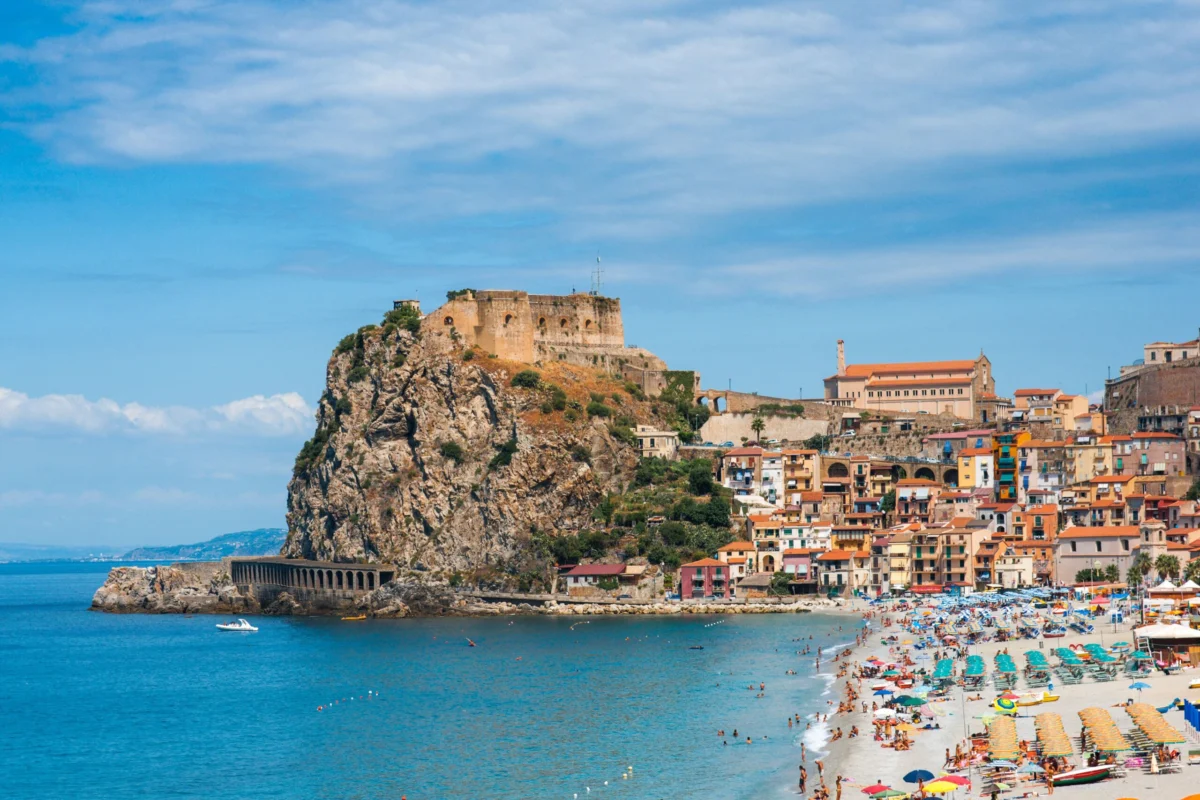
Calabria, situated at the southernmost extremity of the Italian peninsula, serves as a critical geographic and cultural bridge between the Mediterranean’s Tyrrhenian and Ionian seas. Known colloquially as the "toe" of the Italian boot, the region is defined by its rugged mountainous interior, nearly 500 miles of diverse coastline, and a socio-economic history that is deeply intertwined with its natural landscape. Unlike the highly commercialized tourism corridors of Tuscany or the Amalfi Coast, Calabria remains a region characterized by "la vita lenta" (the slow life), offering a glimpse into a more traditional, less curated Italian experience. This report examines the regional dynamics of Calabria, focusing on its urban centers, economic challenges, gastronomic heritage, and the recent impact of environmental factors on its development.
Geographic Overview and Strategic Importance
Calabria is bordered by the Tyrrhenian Sea to the west and the Ionian Sea to the east, providing it with a unique dual-coastal identity. The region’s topography is dominated by three mountain ranges: the Pollino, the Sila, and the Aspromonte. These highlands create a stark contrast with the coastal plains, influencing everything from local microclimates to agricultural output. Strategically, Calabria serves as the primary transit point for goods and passengers moving toward Sicily, with the port of Villa San Giovanni acting as the main ferry terminal for the Strait of Messina.
The region’s isolation from the northern economic hubs has historically presented challenges, yet it has also preserved a level of authenticity that is increasingly becoming a commodity in the global travel market. According to recent demographic data, Calabria is home to approximately 1.8 million residents, with its population distributed between hilltop ancient villages and modern coastal developments.

Analysis of Key Urban and Cultural Hubs
The development of Calabria is best understood through its diverse municipalities, each contributing a different facet to the regional economy and cultural identity.
Tropea: The Epicenter of Coastal Tourism
Often referred to as the "Jewel of Calabria," Tropea is the region’s most prominent tourism asset. Perched on a sandstone cliff overlooking the Tyrrhenian Sea, the town is famous for its historic center and the Santa Maria dell’Isola monastery. In 2021, Tropea was named "Borgo dei Borghi" (Village of Villages), a designation that saw a significant uptick in international interest. Economically, the town relies heavily on seasonal hospitality, though it is also the namesake of the world-renowned "Cipolla Rossa di Tropea" (Red Onion of Tropea), a protected geographical indication (PGI) product.
Pizzo Calabro: A Case Study in Gastronomic Heritage
Located north of Tropea, Pizzo is a major center for the region’s artisanal food industry. It is the birthplace of the "Tartufo di Pizzo," a hand-sculpted chocolate and hazelnut gelato ball with a molten center. This product has become a staple of the local economy, supporting numerous family-owned gelaterie and attracting culinary tourists. Pizzo also maintains a significant fishing tradition, particularly focused on tuna.
Scilla: The Intersection of Myth and Maritime Industry
Scilla, located on the Violet Coast, is a town where ancient mythology meets modern maritime practice. The Chianalea district, often called the "Venice of the South," features houses built directly on the water’s edge. The town remains a hub for swordfish fishing, utilizing traditional "passerelle" boats. This industry, while small-scale, remains vital for the local identity and sustainable food sourcing.

Catanzaro: The Administrative and Realist Core
As the regional capital, Catanzaro provides a contrast to the tourist-centric coastal towns. The city is divided between its historic center, situated on three hills, and the coastal district of Catanzaro Lido. As an administrative hub, Catanzaro hosts the regional government and the Magna Graecia University. It represents the "real" Calabria—a city focused on education, governance, and daily commerce rather than catering to external spectators.
Cosenza: Intellectual and Artistic Development
Cosenza serves as the region’s intellectual heart, largely due to the presence of the University of Calabria, one of the largest and most modern university campuses in Italy. The city has integrated contemporary art into its urban fabric through the MAB (Museo all’Aperto Bilotti), an open-air museum featuring sculptures by Dali and De Chirico. Cosenza represents the more cosmopolitan and youthful side of the region.
Economic Context and the Philosophy of Cucina Povera
Calabria remains one of Italy’s most economically challenged regions. Regional GDP per capita consistently ranks below the national average, and the area has historically dealt with high rates of emigration. However, this economic reality has shaped a resilient and resourceful culture, most visible in its "cucina povera" (peasant cooking).
The regional diet is defined by high-quality, locally sourced ingredients that were historically preserved to last through difficult winters or long periods at sea. Key products include:

- ’Nduja: A spicy, spreadable pork sausage from Spilinga, flavored with local chili peppers.
- Bergamot: A citrus fruit grown almost exclusively in the province of Reggio Calabria, essential for the global perfume and tea industries.
- Fileja: A traditional hand-rolled pasta typically served with spicy sauces.
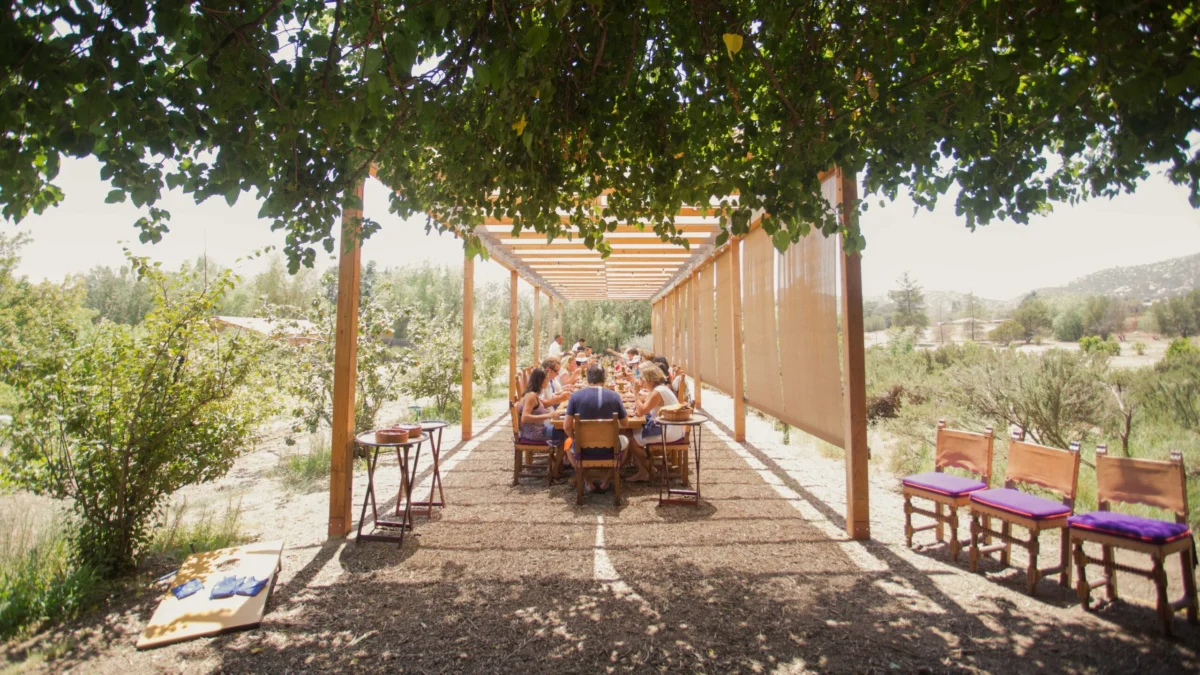
Investment in "agriturismi" (farm stays) has become a primary strategy for rural development, allowing farmers to diversify their income by providing authentic hospitality experiences. This model encourages the preservation of ancient agricultural techniques and provides a sustainable alternative to mass tourism.
Environmental Impact: The Aftermath of Cyclone Harry
The region’s progress was significantly hindered earlier this year by the landfall of Cyclone Harry. This extreme meteorological event, characterized by high winds and torrential rainfall, caused widespread damage across Southern Italy, including Calabria, Sicily, and Puglia.
Timeline of Recovery
- Initial Impact: The cyclone caused severe coastal erosion, damaged transport infrastructure, and led to the temporary closure of numerous beachfront "lidos."
- Emergency Response: Regional authorities declared a state of emergency, prioritizing the restoration of road access to isolated mountain communities in the Sila and Aspromonte ranges.
- Ongoing Restoration: Currently, many areas are still undergoing structural repairs. Visitors may encounter ongoing construction on coastal promenades and the permanent closure of several small businesses that lacked the capital to rebuild.
The recovery process has highlighted the vulnerability of Calabria’s infrastructure to climate change, prompting calls for increased federal funding for environmental protection and coastal reinforcement.
Infrastructure and Accessibility
Accessibility remains a significant hurdle for Calabrian development. The Lamezia Terme International Airport (SUF) serves as the primary gateway, handling the majority of international and domestic arrivals. While the High-Speed Rail (Frecciarossa) connects major northern cities like Rome and Naples to Reggio Calabria, local transit between smaller towns remains underdeveloped.

Experts and regional planners strongly recommend the use of private vehicles for navigating the region, as public bus and train services between coastal and mountain villages are often infrequent. The completion of the A2 "Autostrada del Mediterraneo" has improved north-south travel, but secondary roads in the interior remain susceptible to weather-related closures.
Official Responses and Strategic Outlook
The Italian Ministry of Tourism and the Calabrian Regional Government have expressed a commitment to repositioning the region as a destination for "slow travel" and "roots tourism" (targeting the descendants of the Calabrian diaspora). In official statements, regional leaders have emphasized that Calabria is "not a theme park, but a living community."
The focus for 2024 and 2025 is expected to be on:
- Digital Transformation: Improving internet connectivity in "borghi" (historic villages) to attract digital nomads.
- Sustainable Infrastructure: Rebuilding areas damaged by Cyclone Harry with more resilient materials.
- Cultural Promotion: Increasing the visibility of the Sila National Park as a year-round destination for hiking and skiing.
Broader Implications and Analysis
The case of Calabria presents a broader narrative about the future of Mediterranean tourism. As travelers become increasingly disillusioned with the "overtourism" seen in cities like Venice or Rome, under-the-radar regions stand to benefit. However, Calabria’s challenge lies in managing growth without sacrificing the authenticity that makes it compelling.

The region’s economic reliance on small-scale agriculture and artisanal production provides a buffer against global market volatility, but it also requires protection from environmental threats and organized crime, the latter of which has historically impeded large-scale investment. The current shift toward "thoughtful and intentional" travel reflects a growing recognition that tourism must benefit local residents as much as it does the visitors.
In conclusion, Calabria is a region in transition. While it continues to grapple with economic disparities and the physical scars of recent environmental disasters, its wealth of natural beauty and cultural depth offers a unique value proposition. For the international community, Calabria represents "Italy without a filter"—a place where the past is not a museum exhibit but a daily reality. The region’s ability to modernize its infrastructure while preserving its "slow life" ethos will determine its success in the coming decade.