Ferry Irwandi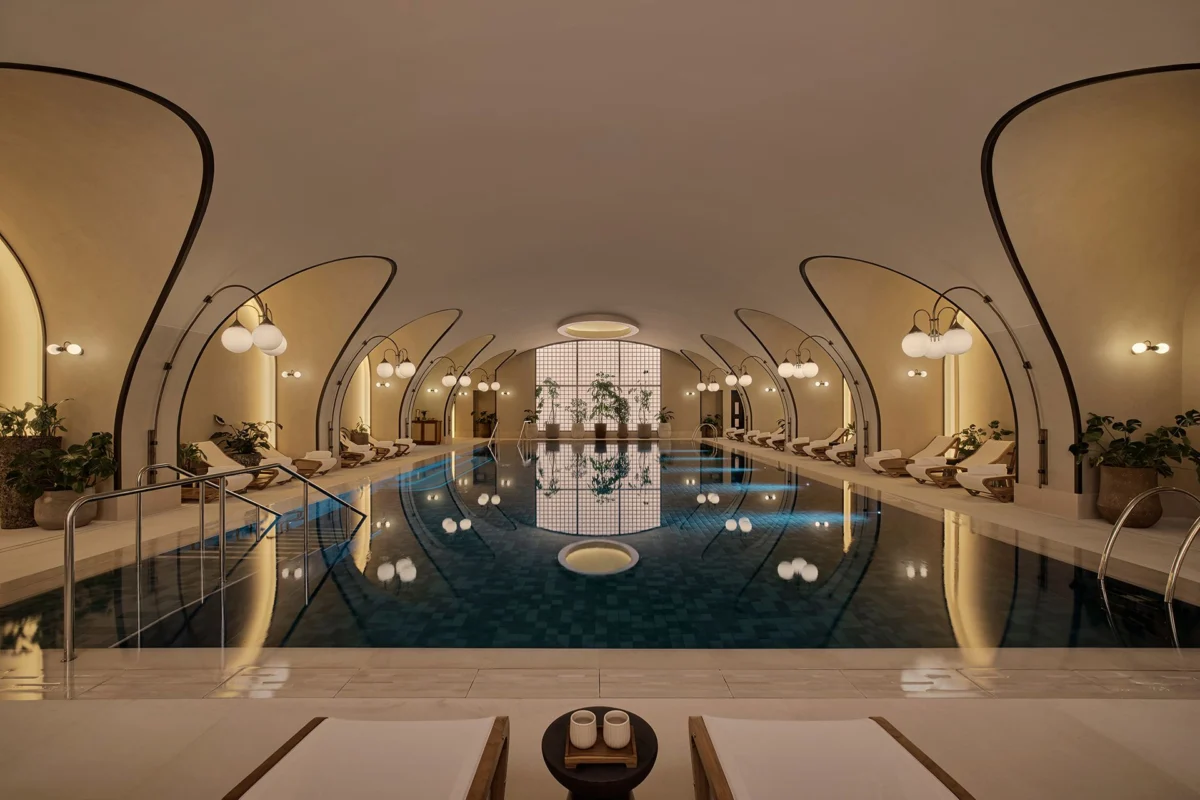
The opening of Six Senses London within the meticulously restored Whiteley Building represents a significant evolution for a brand traditionally defined by its presence in the world’s most secluded geographical enclaves. Known for its high-end retreats in the mountains of Bhutan, the arid expanses of Saudi Arabia, and the pristine coastlines of the Seychelles, Six Senses has built a global reputation on the concept of "majestic isolation." However, the brand’s 27th property moves away from the remote wilderness to occupy a central position in the heart of West London. This strategic pivot into the urban sphere suggests a growing demand for high-end wellness sanctuaries that are accessible without the logistical complexities of long-haul travel. By integrating advanced medical technology with traditional holistic therapies in a metropolitan setting, Six Senses London aims to serve both international travelers and local residents through a new membership-based model.
The Transformation of the Whiteley Building
The choice of the Whiteley Building as the site for Six Senses London is a deliberate nod to British commercial history. Located in Bayswater, the structure originally opened in 1863 as London’s first department store, founded by William Whiteley. For over a century, it stood as a symbol of retail grandeur, characterized by its expansive Art Deco architecture and its role as a social hub for the London elite. The current iteration of the building is the result of a multi-billion-pound redevelopment project led by the real estate firm Finchatton, in collaboration with investment partners.
The restoration has preserved the building’s Grade II-listed facade while completely reimagining the interior to house a mixed-use development that includes luxury residences, high-end retail, and the 109-room Six Senses hotel. Architects and designers have maintained a delicate balance between heritage and modernity, utilizing bleached-wood floors, sage and blue color palettes, and cloudlike bedding to create a sense of tranquility that contrasts with the bustling streets of Notting Hill nearby. The lobby serves as a primary example of "biophilic design," featuring more than 1,000 indoor plants intended to improve air quality and provide an immediate psychological break from the urban environment.
A New Paradigm for Urban Wellness
While most luxury hotels offer spa services, Six Senses London has positioned wellness as its core operational philosophy rather than a secondary amenity. The facility incorporates a personalized, data-driven approach to health, utilizing biometrics to tailor guest experiences. Upon arrival or during a consultation, guests can undergo assessments that reveal specific physiological needs, which then inform a customized itinerary of treatments.
The technological offerings are extensive, ranging from quartz crystal beds and red-light therapy chambers to cryotherapy units and floatation pods. These are complemented by traditional practices such as sound baths, acupuncture, and a classic hammam. This integration of "biohacking" and ancient healing methods reflects a broader trend in the hospitality industry where travelers increasingly seek measurable health outcomes from their stays. Furthermore, the hotel features specialized sleep-tracking programs designed to combat the "first-night effect" common in travelers, ensuring that the physical environment—from lighting to temperature—is optimized for circadian rhythm regulation.
Six Senses Place: The Brand’s First Members Club
A pivotal component of the London opening is the debut of Six Senses Place, the brand’s first dedicated private members club. This move signals a shift in the brand’s business model, moving from a purely hospitality-focused approach to a recurring revenue model based on local community engagement. Six Senses Place is designed to be an "urban sanctuary" for Londoners who wish to integrate high-level wellness into their daily routines.
Members gain access to a suite of exclusive facilities, including a cutting-edge gym, the Alchemy Bar—where guests can create their own organic spa products—and the Place restaurant, which focuses on sustainable, locally sourced nutrition. The club also offers social spaces and workspaces, catering to the "bleisure" market—professionals who blend business with leisure and prioritize health as part of their professional performance. By opening its doors to residents, Six Senses is embedding itself into the fabric of the local neighborhood, ensuring that the hotel remains a vibrant hub even during off-peak tourist seasons.
Chronology of Development and Neighborhood Regeneration
The arrival of Six Senses London is part of a larger, coordinated effort to regenerate the Queensway and Bayswater areas. For several decades, this pocket of London was often overshadowed by the more polished aesthetics of Kensington and Marylebone. However, a £3 billion investment roadmap has been implemented to revitalize the district, with the Whiteley redevelopment serving as the cornerstone of this initiative.
- 2019: The formal partnership between Six Senses and the developers of The Whiteley was announced, marking the brand’s first foray into the UK market.
- 2020–2022: Despite global disruptions in the construction sector, the restoration of the Art Deco facade and the structural overhaul of the interior proceeded, focusing on sustainability certifications and the preservation of historic clock towers and internal staircases.
- 2023: The "Six Senses Place" concept was finalized, reflecting post-pandemic shifts in how urban populations view health and community.
- 2024: The hotel officially opened its doors, coinciding with the broader reopening of the Queensway parade, which includes new pedestrian-friendly walkways and high-end retail storefronts.
This timeline reflects a broader resurgence in London’s luxury hotel market, which has seen several high-profile openings in the post-pandemic era, including The Peninsula London and Raffles at the OWO.
Strategic Location and Environmental Integration
Despite its urban setting, Six Senses London leverages its proximity to Hyde Park to maintain its brand identity of being connected to nature. Located just a short walk from the park’s northern gates, the hotel encourages guests to utilize the 350 acres of green space for "forest bathing," jogging, and outdoor meditation. This proximity allows the hotel to extend its wellness programming beyond its physical walls, incorporating guided walks and visits to the Serpentine Gallery into its guest itineraries.
Furthermore, the hotel’s location adjacent to Notting Hill provides guests with access to a distinct cultural ecosystem. The area is known for its antique markets, independent bookstores, and historic pubs, offering a "quintessentially London" experience that complements the high-tech wellness offerings of the hotel. This duality—the high-speed urban life of London paired with the slow-paced, restorative atmosphere of the hotel—is the primary value proposition for the property.
Market Analysis and Industry Implications
The opening of Six Senses London is a bellwether for several trends in the global travel industry. First, it highlights the "wellness-ification" of urban real estate. As high-net-worth individuals increasingly prioritize longevity and preventative health, luxury residential and hotel developments are evolving into comprehensive health hubs.
Second, the project demonstrates the viability of adaptive reuse in the hospitality sector. Rather than constructing a new glass-and-steel tower, the developers chose to repurpose a historic asset, which reduces the carbon footprint associated with new construction and provides a unique "sense of place" that modern buildings often lack. According to industry data, luxury travelers are increasingly favoring hotels with historical narratives and architectural significance.
Finally, the move into the London market by an IHG-owned luxury brand like Six Senses underscores the city’s resilience as a global tourism capital. Despite economic fluctuations, London remains a primary destination for the "wellness tourist," a demographic that spends, on average, 130% more than the standard international traveler.
Conclusion and Future Outlook
Six Senses London is more than a luxury hotel; it is a laboratory for the future of urban living. By combining the heritage of the Whiteley Building with the most advanced wellness technologies available today, the property challenges the notion that a "retreat" must be geographically isolated. As the brand looks toward further urban expansions in cities like New York and Milan, the London property will serve as the blueprint for how to translate a remote wellness philosophy into a dense, fast-paced metropolitan environment.
For the city of London, the project serves as a catalyst for the ongoing transformation of Bayswater, signaling a new era where historic preservation and futuristic health amenities coexist. Whether through the 1,000 plants in its lobby or the biometric sensors in its spa, Six Senses London is attempting to prove that the ultimate luxury in the 21st century is not just a room, but a measurable improvement in the guest’s well-being.