Ferry Irwandi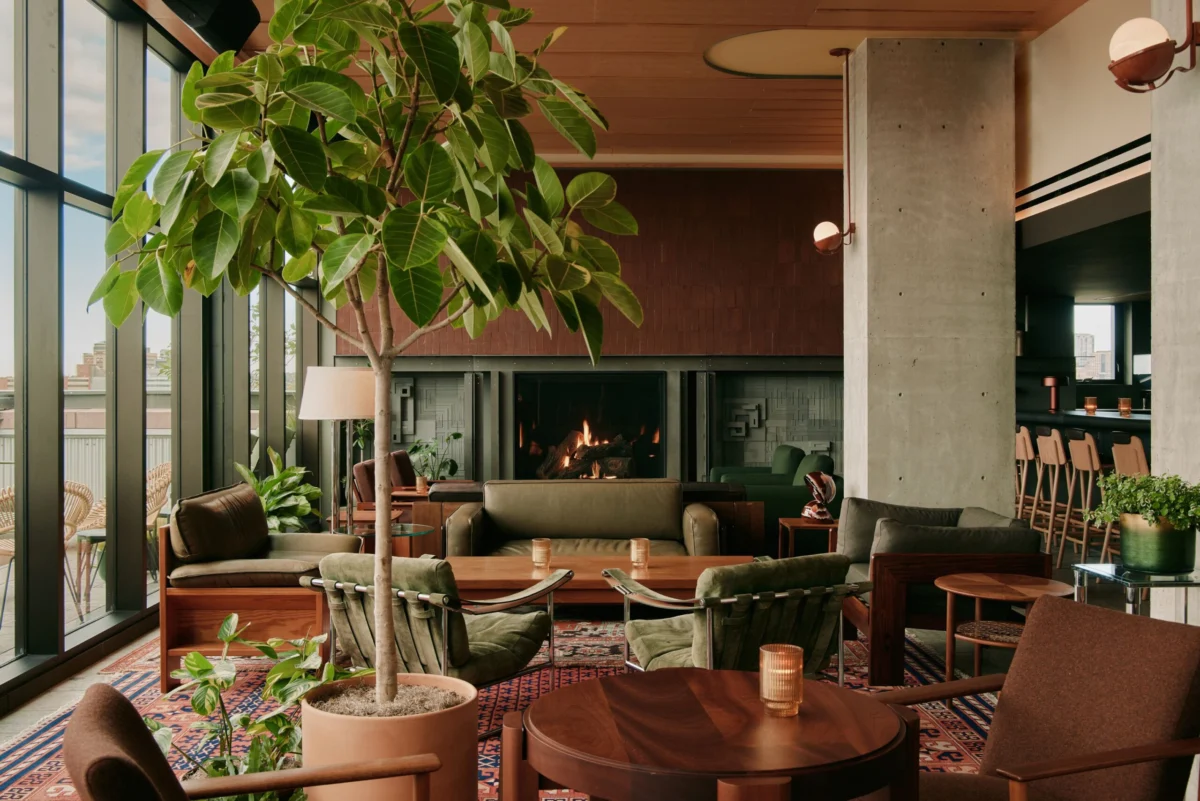
The landscape of Toronto’s hospitality industry has undergone a radical transformation over the last decade, evolving from a market dominated by traditional business-centric accommodations into a sophisticated ecosystem of luxury, boutique, and lifestyle properties. As Canada’s primary economic engine and its most populous urban center, Toronto has historically balanced an ambitious, fast-paced corporate environment with a sprawling, multicultural neighborhood structure. Today, this dual identity is reflected in a hotel sector that is no longer defined by a single standard of service but by a highly segmented array of offerings that cater to specific geographic and demographic niches. This evolution is driven by significant capital investment, the entry of global luxury brands, and a shift in consumer preference toward experiential travel and hyper-local integration.
The Contemporary State of the Toronto Hotel Market
The current state of the Toronto hotel market is characterized by a "flight to quality" and a geographic expansion beyond the traditional central business district. While the Financial District remains the anchor for high-capacity luxury brands, neighborhoods such as Yorkville, King West, and the West Queen West corridor have emerged as distinct hubs for specialized hospitality. The city’s development pipeline remains one of the most active in North America, despite the logistical challenges posed by persistent urban construction and rising real estate costs.
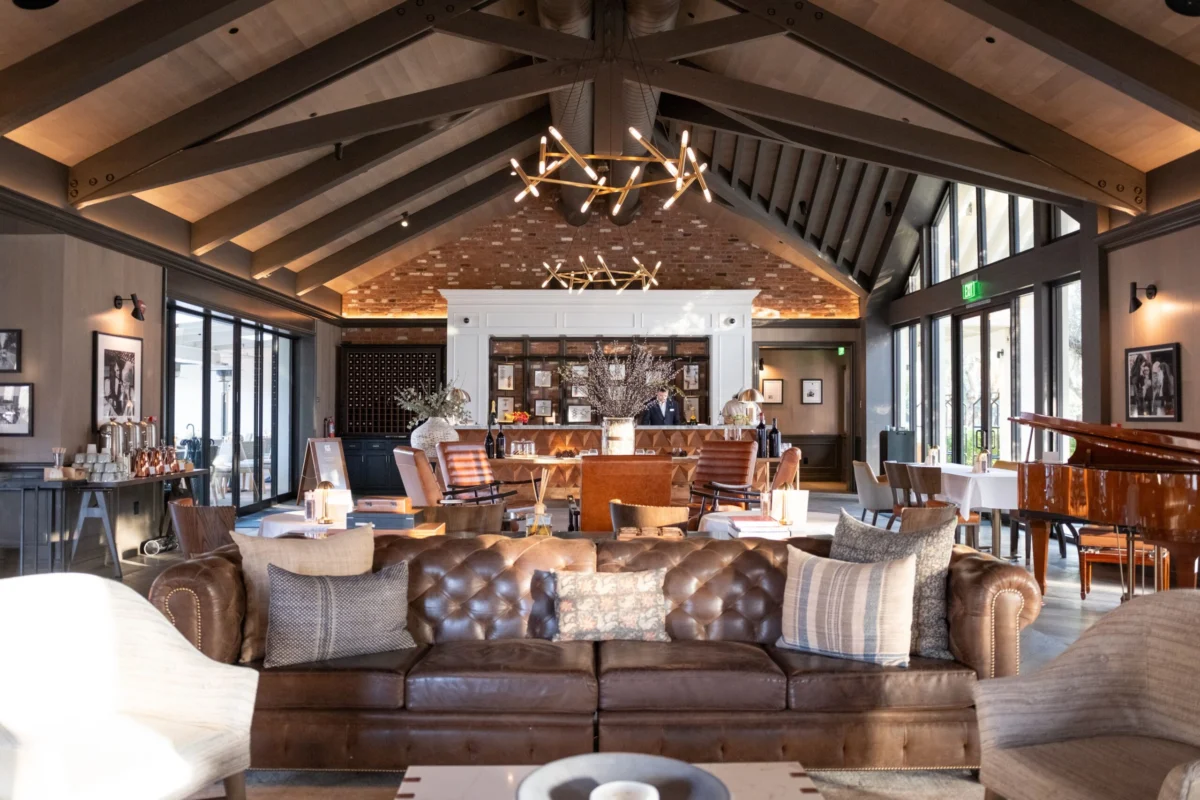
In the luxury segment, the market has matured significantly. The arrival of the "big four" luxury brands—The Ritz-Carlton, Shangri-La, Four Seasons, and the St. Regis—marked a turning point for the city’s international standing. These properties have not only increased the city’s capacity for high-net-worth travelers but have also set a new benchmark for the Average Daily Rate (ADR) in the Canadian market. Simultaneously, the rise of the "lifestyle" hotel—exemplified by brands like 1 Hotel, Ace Hotel, and Bisha—reflects a growing demand for properties that act as social hubs for both visitors and residents.
Historical Context and the Multi-Phase Expansion of Accommodations
To understand the current complexity of Toronto’s hospitality scene, it is necessary to examine the chronological phases of its development. The city’s hotel history can be divided into four distinct eras that mirror its growth from a provincial capital to a global metropolis.
The Era of the Grande Dames (1920s–1970s)
For much of the 20th century, Toronto’s hospitality identity was synonymous with the Fairmont Royal York. Opened in 1929 by the Canadian Pacific Railway, it was once the tallest building in the British Empire and served as the primary gateway for international visitors. During this era, hotels were centralized around Union Station and the Financial District, serving a utilitarian purpose for business travelers and railway passengers.
Modernist Expansion and Corporate Dominance (1980s–2000s)
As Toronto’s skyline expanded upward, so did its hotel capacity. This period saw the rise of large-scale corporate hotels designed to accommodate the city’s burgeoning financial and legal sectors. Brands like Sheraton, Hilton, and the original Hyatt Regency established a footprint, focusing on high-volume room counts and extensive convention spaces.
The Luxury Renaissance (2010–2018)
The most significant shift occurred in the early 2010s. Within a short window, Toronto saw the opening of several flagship luxury properties. The Ritz-Carlton opened in 2011, followed by the new Four Seasons flagship in Yorkville in 2012, and the Shangri-La Toronto later that same year. In 2018, the transition of the Trump International Hotel & Tower into the St. Regis Toronto solidified the city’s status as a top-tier destination for the global elite.
The Boutique and Lifestyle Surge (2019–Present)
The current phase is defined by diversification. Developers are increasingly looking toward neighborhoods that were previously overlooked by the hospitality sector. The opening of the Ace Hotel in the Garment District and the 1 Hotel in King West represents a move away from the "glass tower" aesthetic toward design-led, environmentally conscious, and neighborhood-integrated properties.
Neighborhood Dynamics and Market Segmentation
The strategic location of a hotel in Toronto now dictates its target demographic and revenue model. The city’s "neighborhood-first" identity has forced developers to tailor their properties to the specific "vibe" of the surrounding blocks.
Yorkville: The Polished North
Yorkville remains the city’s premier luxury enclave. Anchored by the Four Seasons and the recently renovated Park Hyatt, the neighborhood commands the highest ADR in the city. The market here is driven by high-end retail tourism, diplomatic travel, and a wealthy local clientele. Hotels in Yorkville focus on "polished" service, emphasizing privacy and proximity to the Bloor-Yorkville shopping corridor.
King West and the Entertainment District: The Lifestyle Hub
King West has transitioned from an industrial zone to the center of Toronto’s nightlife and tech scenes. Hotels here, such as the Bisha Hotel and the 1 Hotel Toronto, lean heavily into food and beverage (F&B) revenue, featuring rooftop pools and celebrity-chef-led restaurants. This sector caters to a younger, trend-conscious traveler and the creative class associated with the Toronto International Film Festival (TIFF).
The Financial District and South Core: The Institutional Anchor
The Financial District remains the hub for institutional hospitality. With proximity to the TSX, the waterfront, and major sports venues like the Scotiabank Arena and Rogers Centre, these hotels maintain high occupancy rates year-round. The Fairmont Royal York and the St. Regis dominate this sector, balancing corporate contracts with high-end leisure travel during the weekend.
Supporting Data and Economic Indicators
Economic data from Destination Toronto and various hospitality analytics firms highlight the robustness of the city’s tourism sector. In 2023, Toronto’s hotel industry saw a significant rebound in performance metrics following the disruptions of the previous three years.
- Occupancy Rates: City-wide occupancy rates have stabilized between 72% and 78% during peak seasons, with luxury properties in the downtown core often exceeding 85% during major events like TIFF or large-scale tech conferences like Collision.
- Average Daily Rate (ADR): The ADR in Toronto has seen a steady year-over-year increase of approximately 5-8%. In the luxury segment, it is now common for standard rooms to start at $600–$800 CAD per night, reflecting the increased cost of labor and high demand.
- Revenue Per Available Room (RevPAR): RevPAR growth in Toronto has outperformed the national average, driven by a combination of high demand and a relatively constrained supply of new rooms entering the market in the immediate short term.
- Employment: The hospitality sector remains one of the largest employers in the Greater Toronto Area (GTA), supporting over 300,000 jobs directly and indirectly through tourism and service industries.
Industry Stakeholder Perspectives and Official Responses
Industry leaders emphasize that Toronto’s hospitality growth is a reflection of its rising status on the world stage. Andrew Weir, President and CEO of Destination Toronto, has frequently noted that the city’s strength lies in its diversity. "Toronto’s hotel scene is no longer just about providing a bed; it’s about providing an entry point into the city’s cultural fabric," Weir stated in a recent industry outlook.
Developers have also voiced their strategies regarding the city’s "perpetual construction" phase. Executives from real estate firms like Great Gulf and Westbank, which have been instrumental in integrated hotel-residential projects, argue that the "messy and ambitious" nature of the city is actually a draw for modern travelers who want to feel they are in a "living" city rather than a stagnant tourist zone.
Furthermore, the arrival of the Michelin Guide in Toronto in 2022 has had a profound impact on hotel strategies. Many properties have overhauled their culinary programs to compete for stars, recognizing that high-end gastronomy is a primary driver for luxury hotel bookings.
Broader Implications and Future Outlook
The continued expansion of the hotel sector has significant implications for Toronto’s urban development and international reputation.
Urban Integration and Gentrification
As hotels move into residential or historically industrial neighborhoods like the West End, they often act as catalysts for further development. While this brings investment and improved infrastructure, it also contributes to the rising cost of living and the gentrification of local communities. The challenge for the city is to ensure that new hotel developments contribute to neighborhood character without erasing it.
The Infrastructure Challenge
Toronto’s ambitious growth is often hampered by its infrastructure. The "perpetually under construction" state mentioned by observers refers to the massive transit projects, such as the Ontario Line and the Eglinton Crosstown LRT, which aim to improve connectivity. For the hotel sector, the completion of these projects is vital for ensuring that visitors can easily navigate the "collection of neighborhoods" that make the city unique.
Sustainability and Innovation
Looking forward, the next generation of Toronto hotels is expected to focus heavily on sustainability. The success of the 1 Hotel Toronto, which emphasizes reclaimed materials and energy efficiency, has set a precedent. Future developments, including the planned Nobu Hotel and the Andaz at The One, are expected to integrate advanced green technologies to meet the city’s increasingly stringent environmental standards.
In conclusion, Toronto’s hospitality market is currently in a state of high-performance maturation. By diversifying its offerings—from the century-old institutions of the Financial District to the design-forward boutiques of the West End—the city has created a resilient tourism infrastructure. As the city continues to build upward and outward, its hotels will remain the primary lens through which the world experiences Canada’s most dynamic and international urban center. The "smartest stays" in the city are those that recognize this complexity, offering travelers not just a room, but a specific rhythm and identity within the broader Toronto tapestry.