Reynand Wu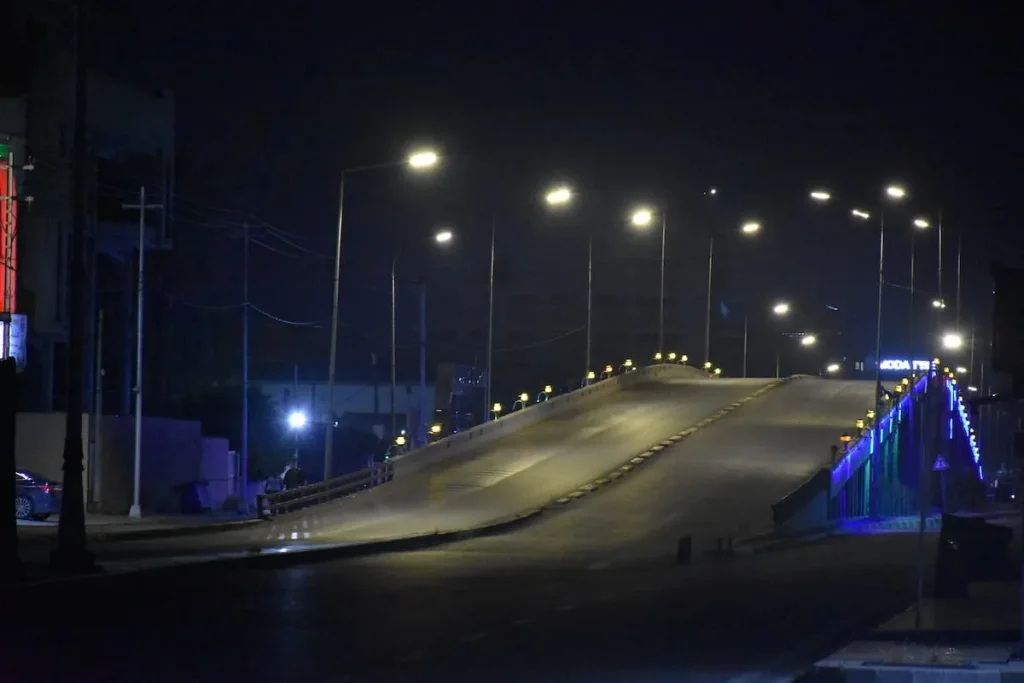
The unprecedented global health crisis triggered by the COVID-19 pandemic introduced a period of profound societal transformation, marked by widespread lockdowns and restrictions on movement. These measures had a discernible impact across the spectrum of human social behaviors, influencing everything from daily interactions to broader phenomena like civic engagement and even instances of discrimination. A critical question that emerged during this era concerned the effect of these restrictions on more extreme forms of behavior, specifically the operational capabilities and attack frequency of notorious non-state armed actors such as the Islamic State of Iraq and Syria (ISIS). Despite initial widespread concerns that the pandemic would create a fertile ground for extremist groups to exploit, a recent study has unveiled a counterintuitive reality: lockdown measures implemented during the pandemic significantly reduced ISIS attacks in key operational theaters.
Unpacking the Initial Concerns and ISIS’s Propaganda Offensive
When the novel coronavirus began its rapid global spread in late 2019 and early 2020, governments worldwide initiated drastic public health interventions, including travel bans, business closures, curfews, and strict social distancing mandates. These measures, designed to curb the transmission of the virus, inadvertently created a complex and unpredictable environment. For many security analysts and counter-terrorism experts, the prevailing concern was that this global upheaval would present an unprecedented opportunity for armed groups. The logic was seemingly straightforward: national budgets would be overwhelmed by healthcare demands and economic relief packages, potentially diverting resources away from counter-terrorism efforts. Furthermore, domestic security forces, often at the forefront of anti-extremist operations, might be redeployed to assist with public health services, enforce lockdowns, or manage civil unrest related to the pandemic.
ISIS, a group known for its sophisticated propaganda and opportunistic exploitation of global crises, quickly seized upon the pandemic narrative. In its publications, particularly its weekly al-Naba newsletter, the group referred to COVID-19 as "the smallest soldier of Allah on the face of the earth." This messaging sought to frame the pandemic as a divine punishment against its enemies and an opportunity for its followers to consolidate strength and launch attacks while global powers were purportedly distracted and weakened. Such rhetoric fueled fears that ISIS would intensify its operations, exploiting the perceived chaos and reduced vigilance of state actors. The group’s history of capitalizing on instability, from the Syrian civil war to political vacuums in Iraq, lent credibility to these concerns.
Dr. Brancati’s Research: A Counter-Narrative Emerges
Contrary to these initial apprehensions and ISIS’s own strategic posturing, research conducted by Dr. Dawn Brancati, a senior lecturer in political science at Yale University, and her colleagues presented a different picture. Their study, focusing on ISIS activity in Egypt, Iraq, and Syria, found that the pandemic did not lead to a general increase in ISIS attacks. Instead, the rigorous lockdown measures adopted by these countries during the height of the pandemic correlated with a significant reduction in the frequency of attacks. This finding was particularly pronounced in densely populated urban areas and regions outside ISIS’s primary operational strongholds, suggesting specific mechanisms through which the lockdowns hindered extremist activity.
The research employed a rigorous quantitative methodology, analyzing patterns of violence before and during the lockdown periods. By comparing data on ISIS-attributed attacks with the implementation and intensity of lockdown measures, the study was able to discern a causal link. This empirical evidence offered a crucial counterpoint to the more speculative predictions prevalent at the outset of the pandemic.
The Mechanics of Disruption: How Lockdowns Hampered ISIS Operations
The study identified several key ways in which lockdowns inadvertently disrupted ISIS’s operational capabilities:
-
Removal of Physical Cover and Target Availability: ISIS, like many insurgent and terrorist groups, often relies on the anonymity provided by bustling urban environments. Crowded streets, markets, and public transport hubs offer both cover for operatives to move undetected and a multitude of high-value civilian targets for mass-casualty attacks. When lockdowns took people off the streets, they effectively removed this physical cover. Empty urban centers made it significantly harder for ISIS cells to conduct surveillance, transport materials, or stage attacks without detection. Furthermore, the closure of markets, restaurants, and public gatherings eliminated many of the "soft targets" that ISIS frequently exploits to maximize terror and casualties. This disruption of the target-rich environment was a major blow to their tactical planning, especially for attacks aimed at sowing widespread fear among civilian populations.
-
Impediments to Mobility and Logistics: Travel restrictions, checkpoints, and curfews imposed during lockdowns significantly hampered the movement of ISIS operatives, weapons, and resources. For a group that operates across vast and often contested territories, the ability to move personnel and materiel is paramount. The study noted that the effects were "especially large… in areas outside ISIS’s base of operations," suggesting that travel restrictions made it considerably more difficult for the group to project power and launch attacks in regions where their local networks might be weaker or less entrenched. Supply lines for everything from food and fuel to ammunition and explosives would have faced unprecedented logistical challenges, potentially delaying or preventing planned operations.
-
Impact on Revenue Streams: While ISIS is infamous for its large financial reserves, its day-to-day operations and continued recruitment efforts rely on a steady stream of income. This revenue is often generated through various illicit means, including extortion, "taxation" of local businesses, smuggling, and kidnapping for ransom. The widespread economic shutdowns, reduction in commerce, and disruption of legitimate and illegitimate trade routes directly impacted these revenue sources. With businesses closed and economic activity plummeting, opportunities for extortion diminished, and the overall pool of accessible funds shrank. While the study acknowledged that the lockdowns were not in place long enough to "significantly deplete the group’s reserves," the sustained disruption undoubtedly put a strain on their financial networks, forcing them to draw more heavily on their existing caches.
Comparative Resilience: ISIS vs. Other Armed Groups
A crucial nuance highlighted by the research is that while the impact of lockdowns on ISIS was significant, the group might have been less challenged than many other armed non-state actors. This distinction stems from several unique characteristics of ISIS:
-
Robust Financial Reserves: During its peak, when it controlled vast swathes of territory in Iraq and Syria, ISIS amassed substantial wealth through oil sales, taxation, extortion, and looting. These deep financial reserves provided a significant buffer against short-term economic shocks, allowing the group to sustain operations even when immediate revenue streams were curtailed. Many other armed groups, by contrast, operate on much thinner margins, making them far more vulnerable to disruptions in local economies.
-
Operational Shift to Rural Areas: Following its territorial defeat as a self-proclaimed "caliphate," ISIS largely transitioned to a decentralized insurgency, with a significant operational footprint in rural and remote areas. While still capable of urban attacks, its primary mode of operation increasingly involved hit-and-run tactics, ambushes, and targeted assassinations in less populated regions. These rural operations are inherently less susceptible to the effects of urban lockdowns, which primarily target population density and urban economic activity. Groups that maintain a predominantly urban operational base would naturally feel the pinch of city-wide lockdowns much more acutely.
-
Evolving Targeting Strategy: While ISIS has a history of brutal mass-casualty attacks on civilians, its post-caliphate insurgency has often shifted its focus towards security forces, infrastructure, and specific targets deemed collaborators. While civilian targeting remains a component, the complete absence of crowded urban centers might not be as paralyzing for ISIS as it would be for groups whose primary tactic is indiscriminate bombings in markets or public spaces to generate widespread terror. Other armed groups that rely heavily on mass civilian targeting in urban settings would find their preferred operational environment severely constrained by empty streets and closed public venues.
Therefore, the study’s findings on ISIS likely represent a conservative estimate of the broader impact of lockdowns on non-state armed groups. It is highly probable that groups with smaller financial reserves, a greater reliance on urban environments, and a strategy centered on mass civilian targeting experienced an even more profound disruption to their activities.
Broader Implications for Counter-Terrorism and Future Crises
The research by Dr. Brancati and her colleagues offers several critical insights for counter-terrorism strategies and preparedness for future global crises:
-
Understanding the Operational Environment: The pandemic inadvertently created conditions that counter-terrorism forces often strive to achieve: reduced anonymity, restricted movement, and disrupted logistical chains for extremist groups. This highlights the importance of environmental control and population management in hindering terrorist operations. While direct replication of pandemic-era lockdowns is neither feasible nor desirable, understanding these dynamics can inform targeted security measures.
-
The Adaptability and Resilience of Extremist Groups: Despite the demonstrable impact of lockdowns, ISIS persisted. This underscores the group’s inherent resilience and its capacity to adapt its tactics and operational modalities over time. While temporarily hampered, the underlying ideological drivers and recruitment networks were not eradicated.
-
Dual-Use Nature of Public Health Measures: The pandemic demonstrated how public health interventions can have unintended, yet significant, security benefits. This suggests a need for integrated planning where public health and national security considerations are jointly evaluated during future crises.
-
Limits of Physical Restrictions: While effective in disrupting tactical opportunities, lockdowns do not address the root causes of extremism, such as political grievances, economic marginalization, or ideological indoctrination. Counter-terrorism efforts must continue to focus on a holistic approach that includes intelligence gathering, law enforcement, ideological countermeasures, and socio-economic development.
-
The Digital Realm: While physical lockdowns restricted movement, the digital space remained open. Extremist groups likely intensified their online propaganda, recruitment, and radicalization efforts during this period, adapting to a world where physical interaction was limited. Future analyses need to fully explore the shift in online activity by these groups during lockdowns.
Chronology of a Crisis and its Unforeseen Security Repercussions
- Late 2019 – Early 2020: Emergence of COVID-19 in Wuhan, China, and its rapid global spread.
- March 2020: World Health Organization declares COVID-19 a pandemic. Governments worldwide begin implementing unprecedented lockdown measures, including travel bans, business closures, and stay-at-home orders.
- March – April 2020: ISIS releases propaganda exploiting the pandemic, portraying it as a divine scourge on its enemies and urging followers to capitalize on the perceived global distraction. Statements refer to COVID-19 as "the smallest soldier of Allah."
- Mid-2020 – Early 2021: Intense periods of lockdown and restrictions across Egypt, Iraq, and Syria. During this time, Dr. Brancati’s research indicates a statistically significant reduction in ISIS-attributed attacks in these regions.
- Late 2021 – Present: As vaccination rates increased and governments eased restrictions, the focus shifted to economic recovery and managing endemic COVID-19. Counter-terrorism agencies continued to monitor for potential resurgence in extremist activity as operational environments normalized.
Conclusion: A Surprising Lesson in Extremist Vulnerability
The COVID-19 pandemic served as an unprecedented global experiment, revealing unexpected vulnerabilities even within the most resilient and brutal non-state armed groups. The research by Dr. Dawn Brancati and her colleagues provides compelling evidence that the sweeping societal lockdowns, despite their immense human and economic costs, inadvertently created conditions that significantly hampered the operational capabilities of ISIS. This counter-intuitive finding underscores a fundamental truth about extremist violence: it is not solely driven by ideology or unwavering resolve, but is also profoundly shaped by social context and opportunity. Even a terrorist group as formidable and adaptable as ISIS was, in essence, "locked down" by the same societal forces that affected billions worldwide. This insight offers a crucial reminder that understanding the intricate interplay between socio-political environments and extremist tactics is paramount for effective counter-terrorism strategies, especially as the world navigates future complex crises.