Jono Maryono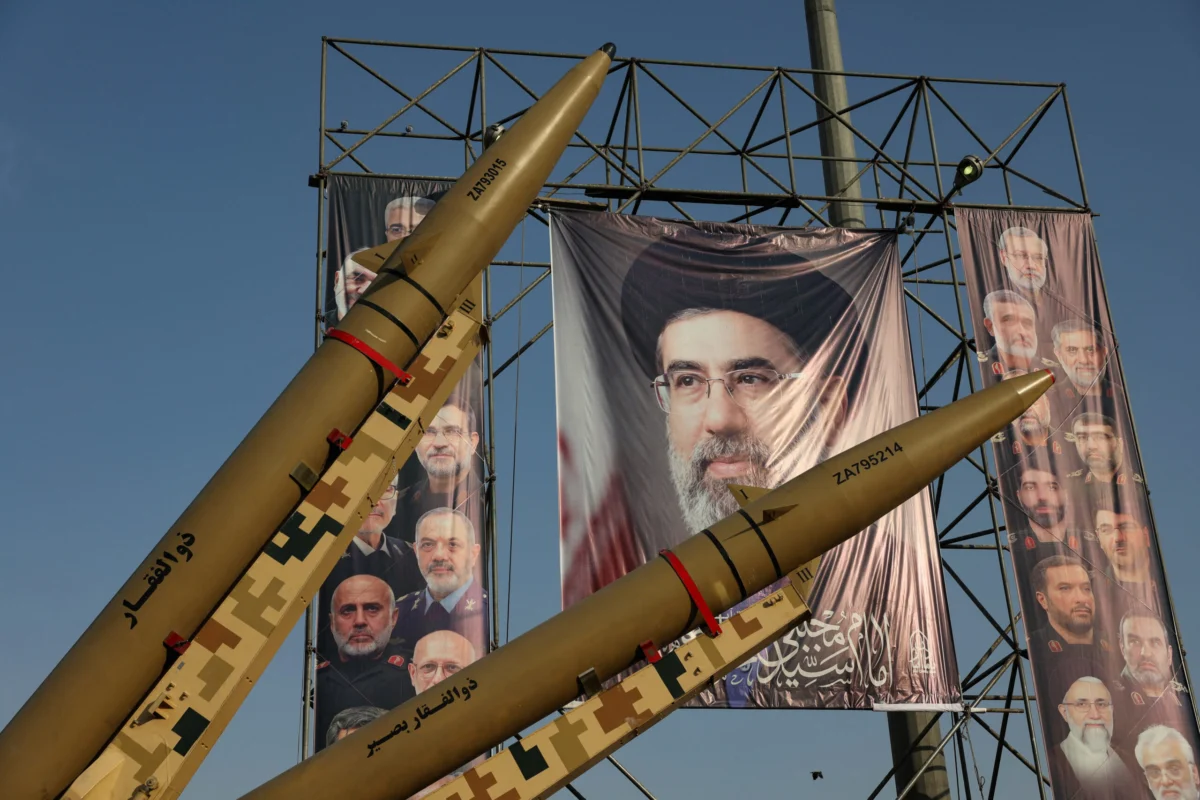
Tensions in the Middle East reached a critical juncture following a stark declaration from Tehran regarding its military readiness, as diplomatic efforts to de-escalate the crisis suffer a severe blow. Iranian Foreign Minister Abbas Araghchi announced that the Islamic Republic is fully prepared for an all-out conflict, describing the nation’s posture as primed for a "doomsday war." This uncompromising stance follows the formal rejection by Washington of a proposed seven-day diplomatic roadmap aimed at ending hostilities and reopening the vital Strait of Hormuz to international shipping.
The breakdown in diplomatic communications has amplified fears of a prolonged and economically devastating regional war. With a critical global energy chokepoint effectively paralyzed, international markets, maritime organizations, and foreign ministries are scrambling to assess the trajectory of a crisis that threatens global economic stability and energy security.
Background Context of the Escalation
The current confrontation between Iran and the United States, alongside its regional allies, is rooted in years of escalating economic sanctions, proxy warfare, and stalled negotiations regarding Tehran’s nuclear program. However, the present kinetic phase of the conflict materialized following a series of maritime incidents and regional skirmishes that rapidly deteriorated into open military engagement.
At the center of the strategic standoff is the Strait of Hormuz, a narrow body of water separating the Persian Gulf and the Gulf of Oman. The waterway serves as the world’s most critical oil transit chokepoint, through which a significant percentage of globally traded petroleum passes daily. When hostilities escalated, the disruption of maritime traffic through this strategic corridor sent immediate shockwaves through global energy markets.
In an attempt to bypass the military impasse, international intermediaries recently put forward a seven-day diplomatic roadmap. The proposal was designed to establish a temporary cessation of hostilities, facilitate the safe passage of commercial vessels, and create a framework for long-term negotiations to reopen the strait. Despite these concerted international mediation efforts, Washington rejected the terms, arguing that the framework failed to adequately address the fundamental security threats posed by Tehran’s naval tactics and missile capabilities in the region.
Chronology of Recent Events
A sequence of escalating military and diplomatic maneuvers highlights the rapid deterioration of security in the region:
- Early September 2026: Minor skirmishes near the Strait of Hormuz disrupt commercial shipping, prompting increased naval deployments by Western powers to protect trade routes.
- Mid-September 2026: Tensions peak as military exercises and reciprocal warnings heighten the threat of a wider confrontation. Commercial insurance rates for vessels operating in the Persian Gulf skyrocket.
- Late September 2026: International intermediaries propose a seven-day diplomatic roadmap intended to halt hostilities and restore unhindered passage through the Strait of Hormuz.
- September 27, 2026: Iranian authorities display military hardware in Tehran against banners featuring Supreme Leader Mojtaba Khamenei, signaling domestic resolve amid mounting external pressure.
- Current Developments: Washington formally rejects the seven-day roadmap, leading directly to Foreign Minister Abbas Araghchi’s public warning that Iran is fully prepared for a protracted conflict.
Supporting Data and Economic Impact
The closure and militarization of the Strait of Hormuz have immediate, quantifiable repercussions for the global economy. According to energy market analysts, the chokepoint handles approximately 20 million barrels of petroleum and petroleum products per day, representing roughly 20 percent of global petroleum consumption.
Following the collapse of the seven-day roadmap:
- Energy Prices: Brent crude futures experienced sharp upward volatility, climbing by notable margins as traders priced in the prolonged risk of supply deficits.
- Shipping Costs: Freight rates and war-risk insurance premiums for tankers transiting the broader Middle East have multiplied, forcing many shipping companies to suspend operations in the area or seek costly alternative routes.
- Supply Chain Strain: Importers in Asia and Europe, who rely heavily on Persian Gulf energy exports, face immediate pressures to secure alternative supplies from strategic reserves and non-Middle Eastern producers.
Official Responses and International Reactions
The intensification of rhetoric has drawn swift responses from capitals around the world, reflecting deep anxiety over the potential for a wider conflagration.
In Tehran, the Ministry of Foreign Affairs emphasized that the nation’s armed forces are at peak operational readiness. Foreign Minister Araghchi’s remarks underscored a narrative of national resilience, framing the rejection of the diplomatic roadmap by the United States as evidence of Washington’s unwillingness to engage in equitable negotiations. Domestic media in Iran have heavily featured military displays, projecting an image of defiance and comprehensive preparedness for any military scenario.
In Washington, administration officials defended the rejection of the proposed roadmap, maintaining that any cessation of hostilities must be comprehensive and permanent rather than temporary. U.S. defense spokespersons reiterated a commitment to freedom of navigation in international waters and indicated that military postures in the region remain defensive yet robustly prepared to counter any hostile action against commercial shipping or allied assets.
European Union representatives have expressed deep concern over the breakdown in talks, urging both sides to exercise maximum restraint. Brussels has called for renewed diplomatic channels to be opened independently of the rejected roadmap, emphasizing that a prolonged closure of the Strait of Hormuz carries intolerable risks for the post-pandemic global economic recovery.
Regional powers, including Gulf Cooperation Council (GCC) member states, have reiterated calls for dialogue, expressing acute vulnerability to any military escalation occurring in their immediate maritime and territorial vicinities.
Broader Implications and Future Outlook
The failure of the latest diplomatic initiative and Tehran’s formal declaration of readiness for a "doomsday war" point toward a prolonged period of high tension in the Middle East. The implications of this standoff extend far beyond the immediate geographic theater.
- Militarization of Trade Routes: The continued blockage of the Strait of Hormuz necessitates an enduring, high-threat naval presence by international coalitions. This dynamic increases the statistical probability of miscalculation or accidental engagement between rival naval forces operating in confined waters.
- Global Inflationary Pressures: Sustained high energy prices resulting from disrupted supply chains threaten to reignite inflationary pressures across developed and developing economies alike, potentially stalling central bank efforts to stabilize financial markets.
- Future of Regional Diplomacy: With the rejection of short-term roadmaps, finding a viable framework for peace will require complex, multi-lateral negotiations that address both maritime security and broader geopolitical grievances. Until such a framework emerges, the region remains precariously balanced on the edge of open conflict, with military readiness taking precedence over diplomatic engagement.