Layla Zulfa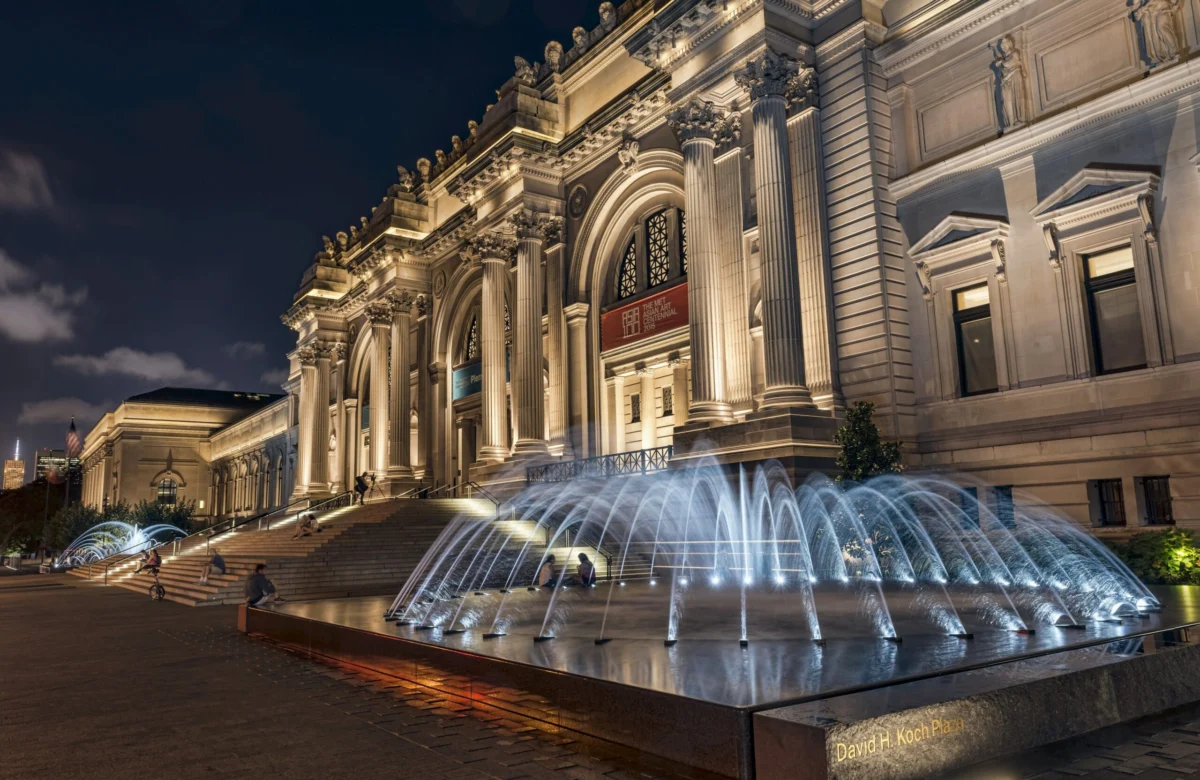
The Metropolitan Museum of Art, a cornerstone of global cultural heritage situated on the edge of New York City’s Central Park, remains one of the most significant architectural and educational landmarks in the United States. Spanning 2.2 million square feet and housing over two million works of art, the institution serves as a bridge between antiquity and the contemporary world. As the museum prepares for its most high-profile annual event, the Met Gala, scheduled for May 4, the intersection of history, institutional governance, and high-stakes philanthropy comes into sharp focus. With a mission rooted in bringing art and education to the American public, the Met has evolved from a mid-19th-century vision into a multi-billion-dollar nonprofit engine that shapes the global art market and the fashion industry alike.
The Founding Vision and Historical Chronology
The genesis of The Metropolitan Museum of Art can be traced back to 1866 in Paris, France. A group of American citizens, led by lawyer John Jay, proposed the creation of a "national institution and gallery of art" to provide the United States with a cultural venue comparable to the grand museums of Europe. Jay, the grandson of the first Chief Justice of the United States, sought to elevate the American aesthetic and educational landscape. Upon his return to New York, Jay collaborated with the Union League Club to mobilize a coalition of civic leaders, businessmen, artists, and philanthropists.
On April 13, 1870, the museum was officially incorporated. Its initial operations were modest; the institution did not acquire its first object—a Roman sarcophagus—until November of that year. Throughout the late 19th century, the museum’s collection expanded rapidly through private donations and strategic acquisitions, necessitating a permanent and expansive home. The institution’s trajectory since then has been one of consistent growth, navigating through the Gilded Age, the Great Depression, and the modern digital era to maintain its status as a premier destination for nearly five million annual visitors.
Architectural Evolution: A Jigsaw of Styles
The physical structure of the Met at 1000 Fifth Avenue is an architectural palimpsest, reflecting the changing tastes and needs of the institution over 150 years. The original building, designed by architects Calvert Vaux and Jacob Wrey Mould, featured a Ruskinian Gothic style. While much of this original red-brick aesthetic was later obscured by expansions, it remains visible within the Robert Lehman Wing.

As the museum’s ambitions grew, the need for a more monumental presence on Fifth Avenue became apparent. Richard Morris Hunt, a founding trustee and the first American architect to study at the École des Beaux-Arts in Paris, was commissioned to design the iconic facade and the Great Hall. Completed in 1902, Hunt’s Beaux-Arts design, characterized by grand limestone columns and soaring arches, was hailed by contemporary critics as a masterpiece of dignity and grandeur. This expansion signaled the Met’s transition from a local gallery to a world-class museum. Subsequent additions, including the massive wings housing the Egyptian collection and the American Wing, have created a harmonious but complex architectural footprint that accommodates centuries of global creativity.
Governance and the Economics of a Cultural Giant
The Metropolitan Museum of Art operates as a 501(c)(3) nonprofit organization under a unique public-private partnership. The building itself is owned by the City of New York, but the collections and operations are managed by a private corporation. This corporation is composed of nearly 1,000 benefactors who oversee an endowment currently valued at over $2 billion.
Financial sustainability is a core pillar of the museum’s operations. In addition to the endowment, the museum generates more than $100 million annually through a combination of private donations, corporate sponsorships, and admission fees. The fiscal health of the institution is critical, as it supports 17 curatorial departments and a staff of thousands, including world-renowned conservators and researchers. The reliance on private philanthropy is a hallmark of the American museum model, distinguishing the Met from European counterparts that often receive more direct state funding. This model necessitates high-profile fundraising efforts, the most prominent of which is the annual Met Gala.
The Met Gala: From Midnight Dinner to Global Spectacle
While the museum’s primary mission is educational, its most visible event is the Met Gala, an annual fundraiser for the Costume Institute. Founded in 1948 by fashion publicist Eleanor Lambert, the gala was initially conceived as a "midnight supper" for New York’s high society, with tickets priced at a mere $50. Known then as the "Party of the Year," the event served to raise funds for the newly established Costume Institute, which had recently been integrated into the museum.
The gala underwent a significant transformation in the 1970s under the leadership of Diana Vreeland, the former editor-in-chief of Vogue. Vreeland introduced the concept of themed exhibitions and celebrity-heavy guest lists, turning the fundraiser into a cultural phenomenon. This trajectory accelerated further in 1995 when Anna Wintour, the current editorial director of Condé Nast, took over as chair. Under Wintour’s stewardship, the Met Gala has become the "Oscars of Fashion," a strictly invitation-only event that serves as the primary source of funding for the Costume Institute’s exhibitions, acquisitions, and capital improvements.

The 2026 Met Gala: "Costume Art" and the May 4th Event
The upcoming gala on May 4, 2026, marks the opening of the Costume Institute’s spring exhibition titled Costume Art. The corresponding dress code, "Fashion is Art," challenges attendees to bridge the gap between wearable garments and fine art. This theme reflects a broader institutional effort to validate fashion as a serious medium of artistic expression, a debate that has persisted within the art world for decades.
The 2026 co-chairs represent a cross-section of global influence:
- Beyoncé: A multi-hyphenate artist whose work frequently intersects with visual art and historical narrative.
- Nicole Kidman: An Academy Award-winning actress known for her long-standing relationship with high-fashion houses.
- Venus Williams: A legendary athlete whose presence highlights the increasing intersection of sports, style, and cultural influence.
- Anna Wintour: The perennial chair who continues to oversee the event’s strategic direction.
The gala will utilize several of the museum’s most prestigious spaces. After the arrivals on the iconic Fifth Avenue steps, guests will move through the Great Hall and into the new Costume Art exhibition galleries. The evening typically culminates in a dinner and performance held in the Sackler Wing, home to the Temple of Dendur—a first-century B.C. Egyptian temple that provides a dramatic, glass-enclosed backdrop for the modern spectacle.
Data Analysis: Record-Breaking Philanthropy
The financial impact of the Met Gala is staggering. In 2025, the event raised a record-breaking $31 million, the highest total in the gala’s 77-year history. These funds are vital because the Costume Institute is the only one of the Met’s 17 curatorial departments that must fund its own activities.
The economic reach of the event extends beyond the museum’s walls. The "Met Gala Effect" influences New York City’s hospitality and luxury sectors, with hotels and restaurants reporting peak occupancy during the first week of May. Furthermore, the spring exhibition that the gala inaugurates often becomes one of the museum’s most-attended shows, drawing hundreds of thousands of tourists throughout the summer months. For instance, past exhibitions like Heavenly Bodies: Fashion and the Catholic Imagination attracted over 1.6 million visitors, making it one of the most-visited exhibitions in the museum’s history.

Broader Implications and Institutional Impact
The success of the Met Gala and the museum’s robust endowment highlight the evolving role of cultural institutions in the 21st century. Critics occasionally argue that the spectacle of the gala risks overshadowing the museum’s scholarly mission. However, museum leadership and industry analysts point to the necessity of such events in maintaining the Met’s independence and global relevance.
The funds raised provide the museum with the resources to pursue ambitious conservation projects and to acquire new works that diversify its collection. Moreover, the gala serves as a powerful marketing tool, introducing younger and more diverse audiences to the museum. By positioning fashion alongside traditional art forms, the Met continues to challenge the boundaries of what constitutes "culture," ensuring its place at the center of the global conversation.
As May 4th approaches, the eyes of the world will turn to 1000 Fifth Avenue. While the red carpet will capture the headlines, the underlying story remains one of institutional resilience and the enduring power of private philanthropy to sustain public education and the arts. From John Jay’s vision in a Paris salon to a $31 million gala, the Metropolitan Museum of Art stands as a testament to the idea that art—in all its forms—is essential to the human experience.