Johny Marice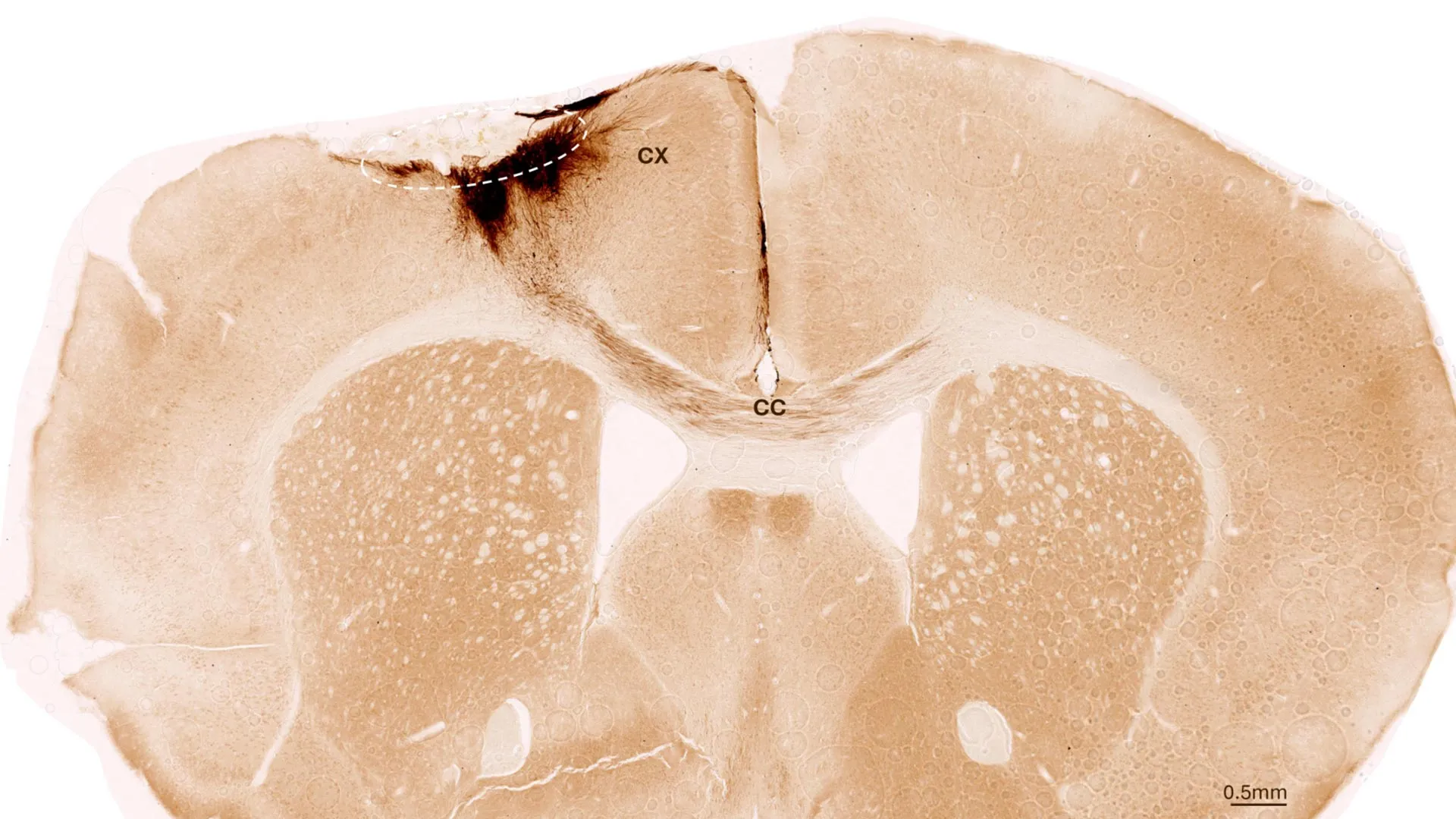
Stroke remains one of the most significant global health challenges, acting as a leading cause of long-term disability and mortality. Statistically, one in four adults will experience a stroke at some point in their lifetime, with approximately 50 percent of survivors suffering from lasting neurological deficits such as hemiplegia, aphasia, or cognitive impairment. For decades, the medical consensus has held that once neurons die due to the oxygen deprivation or hemorrhaging associated with a stroke, the resulting brain tissue loss is permanent. However, groundbreaking research conducted by scientists at the University of Zurich (UZH) suggests that regenerative medicine—specifically the use of neural stem cells—may offer a viable path to repairing this damage and restoring lost motor function.
The research, spearheaded by Christian Tackenberg, the Scientific Head of Division in the Neurodegeneration Group at the UZH Institute for Regenerative Medicine, and postdoctoral researcher Rebecca Weber, represents a potential paradigm shift in neurology. By utilizing human induced pluripotent stem cells (iPSCs), the team has demonstrated in preclinical models that it is possible not only to replace damaged neurons but to initiate a comprehensive healing environment within the brain.
The Biological Mechanism of Repair
The core of the study involved creating human neural stem cells derived from iPSCs, which are adult cells genetically reprogrammed to an embryonic-like state. This allows them to differentiate into various types of nervous system cells. In a series of experiments involving mice—which were genetically modified to be immunocompatible with human cells—the researchers induced strokes to mimic human brain injuries.
One week post-stroke, the stem cells were transplanted directly into the affected regions. Over the following five-week observation period, the research team utilized high-resolution imaging and biochemical analysis to track the integration of these cells. The findings were twofold: first, the transplanted cells successfully differentiated into functional neurons; second, these new neurons established synaptic connections with existing neural networks.
Tackenberg emphasizes that this connectivity is the "holy grail" of regenerative neurology. "Our findings show that neural stem cells not only form new neurons, but also induce other regeneration processes," he noted. Beyond simple cell replacement, the treatment fostered a broader neuro-restorative environment. The researchers observed increased angiogenesis—the formation of new blood vessels—a decrease in neuro-inflammatory markers, and a significant improvement in the integrity of the blood-brain barrier (BBB).
The Critical Importance of the Blood-Brain Barrier
The blood-brain barrier is the brain’s primary defense mechanism, a semi-permeable border of cells that prevents pathogens and harmful substances in the blood from entering the central nervous system. Following a stroke, the breakdown of this barrier exacerbates tissue damage and triggers a cascade of inflammatory responses that further kill neurons. The UZH study provides compelling evidence that the stem cell intervention helps stabilize this barrier. By mitigating the inflammation that typically follows an ischemic event, the therapy effectively creates a "niche" where surviving tissue can recover and new tissue can integrate, rather than succumbing to the secondary injury that often defines the post-stroke period.
Strategic Timing and Clinical Translation
A significant finding in the study relates to the optimal window for intervention. The research team discovered that delaying transplantation until one week after the stroke yielded better outcomes than immediate transplantation. This observation has profound implications for clinical logistics. In a real-world emergency, the immediate hours following a stroke are focused on life-saving measures, such as the administration of tissue plasminogen activator (tPA) or mechanical thrombectomy. The realization that a secondary intervention can be performed days later allows for a more controlled, elective approach to regenerative surgery, potentially easing the burden on emergency care units.
To ensure that these findings are viable for human trials, the UZH team collaborated with the Center for iPS Cell Research and Application (CiRA) at Kyoto University to develop a production protocol devoid of animal-derived reagents. By eliminating non-human biological components, the researchers have significantly reduced the risk of immune rejection and regulatory hurdles that often plague xenogeneic therapeutic models.
Challenges and the Path to Human Trials
Despite the success in murine models, the transition to clinical application remains a complex endeavor. The primary safety concern is the risk of tumorigenesis—or the uncontrolled growth of transplanted stem cells. To address this, Tackenberg and his collaborator, Ruslan Rust of the University of Southern California, are currently engineering a "safety switch." This mechanism would allow clinicians to pharmacologically terminate the transplanted cells if they begin to proliferate abnormally, providing a necessary fail-safe for human subjects.
Furthermore, the team is evaluating less invasive delivery methods. While direct intracranial injection was used in the study to ensure precision, the researchers are exploring endovascular delivery, which would involve navigating the stem cells through the circulatory system to the site of the lesion. This approach would be far less traumatic for the patient and could potentially become a standard procedure similar to current endovascular stroke interventions.
Broader Implications for Regenerative Medicine
The field of regenerative medicine has been buoyed by similar successes in other neurodegenerative domains. Japan, for instance, has already begun initial clinical trials using iPSC-derived therapies for Parkinson’s disease. Experts in the field, including those not directly involved in the UZH study, have noted that the stroke research aligns with current trends in neuro-restoration.
"The ability to treat a patient a week after the event, rather than in the hyper-acute phase, provides a realistic timeline for specialized facilities to prepare custom-engineered cell therapies," says an independent consultant in regenerative neurobiology. "If the safety profiles can be proven in humans, we are looking at a future where ‘permanent’ brain damage is no longer the final diagnosis for stroke survivors."
The UZH team’s use of AI-assisted gait analysis to quantify motor recovery also marks a shift toward more objective, data-driven outcomes in preclinical research. By mapping the recovery of movement patterns in mice with high precision, the researchers have provided a measurable metric that correlates the cellular biological changes with functional recovery.
The Chronology of Development
The development of this treatment follows a logical, multi-phase trajectory:
- Phase I (Pre-clinical Design): Collaboration between UZH and the University of Southern California to define the stroke model and the iPSC derivation protocol.
- Phase II (The One-Week Window): Identification that a delayed intervention facilitates better cellular survival and network integration compared to immediate transplantation.
- Phase III (Multimodal Analysis): Verification that the therapy impacts blood-brain barrier health, inflammation, and vascular growth alongside neurogenesis.
- Phase IV (Safety Engineering): The current development of the "safety switch" to prevent tumor growth and the optimization of minimally invasive, endovascular delivery methods.
Future Outlook and Ethical Considerations
While the results are highly encouraging, researchers caution against premature optimism. The biological environment of a human brain is exponentially more complex than that of a mouse, and the long-term impact of integrating human neurons into the brain of a stroke patient remains to be seen. Regulatory bodies, such as the FDA and the European Medicines Agency, will require extensive safety data regarding the long-term stability and genetic integrity of the iPSCs before human trials can commence.
Moreover, the ethical considerations surrounding the use of iPSCs—though generally less contentious than embryonic stem cells—require ongoing dialogue. The ability to "reprogram" cells effectively grants a level of control over human biology that necessitates strict oversight.
As the UZH team moves closer to their goal of human trials, the focus remains on standardizing the production process and ensuring that the therapy is not only effective but scalable. If the transition to human testing proves successful, this research could eventually provide the world’s millions of stroke survivors with a second chance at regaining their independence, fundamentally altering the prognosis of one of the most debilitating conditions in modern medicine. The journey from the lab bench to the clinic is long, but the evidence gathered at the University of Zurich provides a scientifically rigorous foundation upon which to build the next generation of neurological recovery.