Danny Garick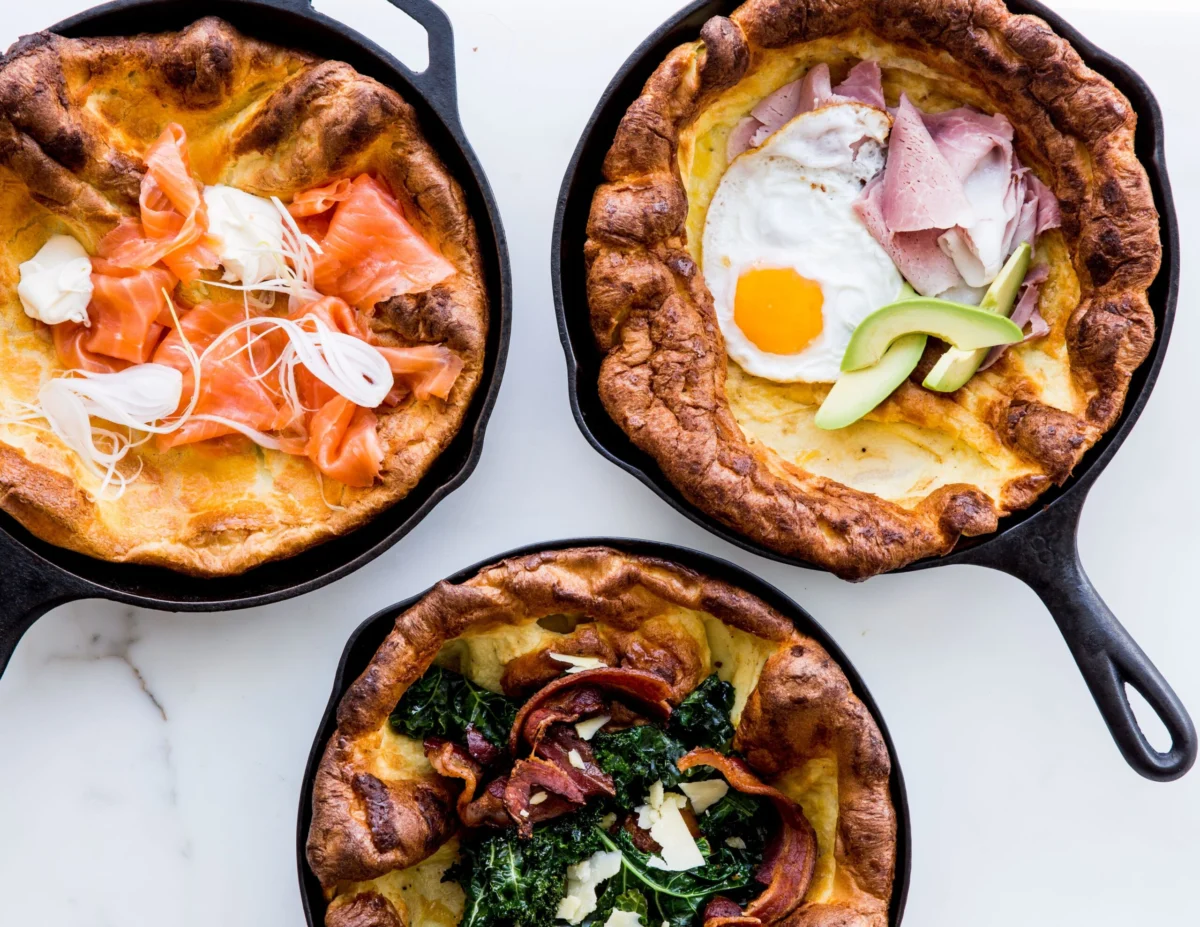
The Dutch baby, historically recognized as a sweet breakfast staple often dusted with powdered sugar and lemon juice, has undergone a significant culinary transition toward the savory spectrum in professional and home kitchens alike. Essentially a large, oven-baked popover, this dish is characterized by its dramatic rise, crisp, golden-brown edges, and a custardy, eggy interior. While the dish’s roots trace back to German pfannkuchen, its modern iteration—particularly the savory variation—leverages contemporary kitchen technology, such as high-speed blenders and precise temperature control, to achieve a sophisticated texture profile that balances crispness with aeration.
Historical Context and Culinary Origins
The origins of the Dutch baby are often traced to early 20th-century Seattle. Despite the moniker, the dish is not traditionally Dutch; rather, it is a modification of the German pancake. Culinary historians suggest that the term "Dutch" was likely a phonetic corruption of the word "Deutsch," a common misinterpretation in American immigrant communities during the early 1900s. Originally popularized by the Manca’s Cafe in Seattle, the dish became a fixture of American breakfast menus throughout the Pacific Northwest.
For decades, the standard preparation relied on simple manual whisking and cast-iron skillets. However, the rise of the "savory Dutch baby" reflects a broader trend in gastronomy: the deconstruction of sweet breakfast items into dinner-appropriate courses. By incorporating cornstarch to modify the gluten structure and utilizing high-heat preheating methods, modern chefs have successfully transformed the vessel from a dessert into a versatile base for proteins, vegetables, and savory garnishes.
Technical Requirements and Scientific Principles
The successful preparation of a savory Dutch baby depends on the principles of thermodynamics and emulsion. At the core of the recipe is the "steam-leavening" process. When a thin, highly aerated batter—rich in eggs and milk—hits a preheated skillet, the liquid immediately turns to steam. Because the protein structure of the eggs and flour sets rapidly under high heat, the steam becomes trapped, forcing the edges of the pancake to rise vertically.
Data from culinary testing laboratories indicates that the optimal temperature for this reaction is approximately 450°F (232°C). To achieve the signature dramatic puff, the skillet must retain enough thermal mass to prevent the batter from cooling the pan upon contact. This is why professional kitchen protocols mandate a minimum preheating time of 25 minutes for the skillet.
The inclusion of cornstarch, a departure from traditional all-flour recipes, serves a functional purpose. Research into starch gelatinization suggests that replacing a portion of the wheat flour with cornstarch inhibits excessive gluten development, resulting in a more tender, delicate crumb that does not become rubbery as it cools.
Chronology of Preparation
- Preheating Phase (0–25 minutes): The cast-iron or stainless-steel skillet is placed in an oven set to 450°F. This step is critical; if the pan is not sufficiently hot, the "spring" effect will fail to occur, resulting in a flat, dense pancake.
- Batter Emulsification (25–28 minutes): Ingredients—typically eggs, milk, flour, cornstarch, and salt—are combined in a blender. The high-speed blending process is essential to incorporate air bubbles into the eggs, which act as the primary leavening agent.
- Thermal Shock (28–30 minutes): Once the batter is poured into the preheated, greased skillet, the rapid expansion of air and steam begins immediately.
- Baking and Setting (30–45 minutes): The oven door must remain closed to maintain internal temperatures. As the batter bakes, the edges solidify first, creating the characteristic "walls" of the Dutch baby.
- Post-Oven Deflation (45+ minutes): Upon removal from the oven, the drop in temperature causes the steam inside the pancake to condense. Deflation is an expected and scientifically inevitable conclusion to the process, which does not indicate a recipe failure but rather the end of the chemical reaction.
The Rise of Savory Culinary Applications
The shift toward savory Dutch babies has expanded the dish’s utility from a breakfast meal to a sophisticated brunch or dinner option. Culinary consultants note that the Dutch baby acts as a "blank canvas," possessing a neutral flavor profile that readily absorbs the savory notes of various toppings. Common modern applications include:
- The Protein-Forward Approach: Topped with fried eggs, avocado, and thinly shaved ham, the dish functions as a complete nutritional meal, offering a balance of fats, proteins, and carbohydrates.
- The Artisanal Pairing: Smoked salmon, crème fraîche, and fresh scallions provide a contrast in texture and temperature, mimicking the profile of a high-end blini or flatbread.
- The Seasonal Harvest: Sautéed kale, crispy bacon, and aged cheddar provide a robust, earthy flavor profile suitable for cooler climates or evening service.
Expert Insights and Troubleshooting
Industry experts emphasize that consistency is the primary challenge for both amateur and professional cooks. When a Dutch baby fails to rise, the cause can usually be traced to one of three variables: temperature, emulsification, or technique.
"The most common point of failure is the internal temperature of the skillet," notes a leading culinary analyst. "If the pan is cold, the batter simply sits there and begins to fry in the grease rather than rising through the steam. Furthermore, the use of room-temperature eggs is non-negotiable. Cold eggs from the refrigerator can drop the temperature of the batter mixture, preventing the rapid reaction needed for a successful puff."
Regarding the necessity of a blender, while it is the preferred method for high-volume service due to its efficiency in aerating the eggs, manual methods remain viable. The manual whisking technique requires vigorous effort; the eggs must be beaten until they are noticeably frothy and pale. This mechanical aeration replaces the high-speed shearing of the blender, ensuring the batter retains enough structure to lift during the baking phase.
Economic and Broader Market Implications
The resurgence of the Dutch baby in domestic and commercial kitchens is reflective of a wider "comfort food" trend that prioritizes simple, low-cost ingredients elevated by technique. From a retail perspective, the ingredients required—eggs, milk, and flour—are among the most resilient commodities in the food supply chain. This makes the dish an attractive option for restaurateurs looking to maintain high margins while offering a "gourmet" experience.
Furthermore, the "savory transition" of the Dutch baby aligns with a broader dietary shift away from high-sugar breakfast options. As consumers become increasingly health-conscious, the ability to customize a Dutch baby with fiber-rich greens and lean proteins makes it a competitive menu item against traditional pancakes or waffles, which are often criticized for their high glycemic index.
Environmental and Supply Chain Considerations
The environmental impact of the savory Dutch baby is relatively low, provided that sourcing remains local. Eggs and dairy, the primary components, have a significantly smaller carbon footprint compared to meat-heavy dishes. The shift toward savory toppings—such as kale or seasonal vegetables—further supports sustainable agriculture practices. As food inflation continues to affect the hospitality industry, the Dutch baby offers a "base" that can be adjusted based on seasonal availability, allowing chefs to minimize waste by utilizing leftover proteins or produce.
Conclusion: Future Outlook
The evolution of the savory Dutch baby from a forgotten regional specialty to a versatile modern culinary staple highlights the enduring appeal of technical cooking. By understanding the underlying physics of the dish, home cooks and professional chefs can manipulate the outcome to suit various tastes and dietary requirements. As the culinary landscape continues to favor dishes that are both visually impressive and functionally adaptable, the savory Dutch baby is positioned to remain a consistent fixture in the modern gastronomic repertoire. Future developments may see the introduction of alternative flours or dairy-free iterations, further broadening the accessibility of this classic, high-rising dish.