Nila Kartika Wati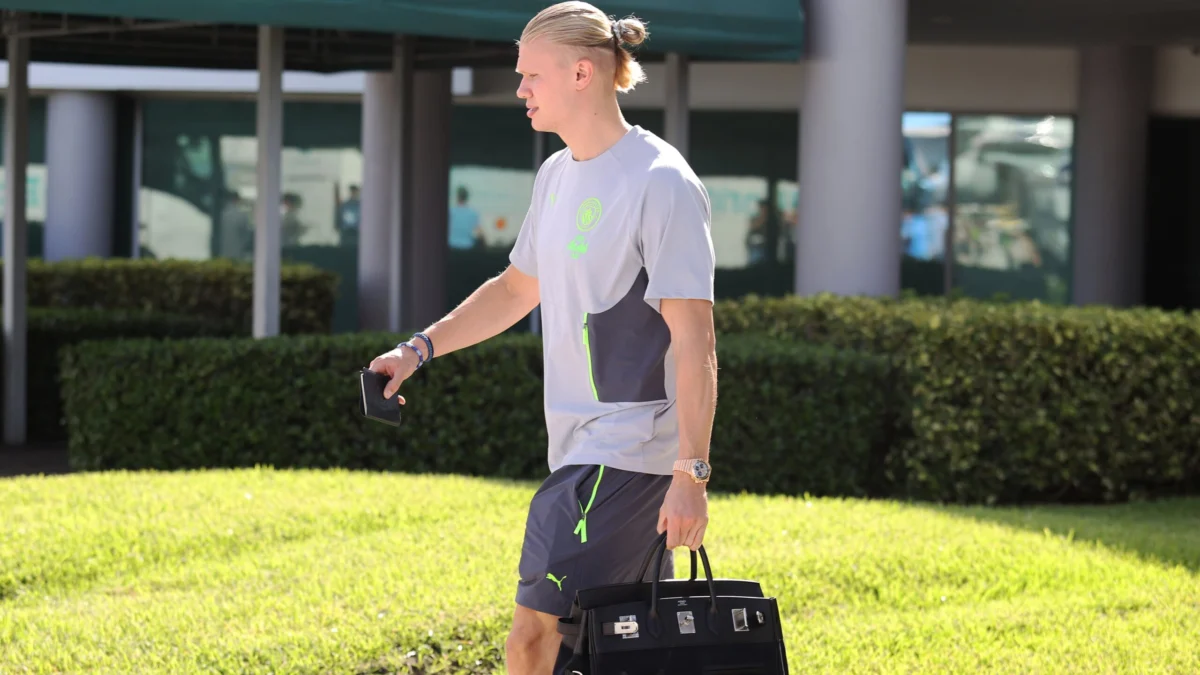
The burgeoning male interest in handbags, exemplified by figures like football star Erling Haaland, presents a significant, yet largely untapped, opportunity for luxury fashion houses. While historically a predominantly female accessory, the handbag is increasingly being adopted by men, necessitating a strategic recalibration for brands seeking to capitalize on this evolving consumer behaviour. The current market, while showing promise, remains underdeveloped in its catering to male preferences, demanding innovation in product design, marketing, and retail experiences.
The Shifting Landscape of Male Accessories
For decades, men’s accessory choices have largely been confined to practical items like wallets, briefcases, and backpacks. Handbags, if considered at all, were often relegated to the realm of utility rather than fashion. However, a confluence of factors has begun to dismantle this traditional paradigm. The increasing acceptance of gender fluidity in fashion, the rise of "mancare" and personal grooming as mainstream concerns, and the growing influence of style icons and social media have all contributed to a broader definition of masculine style.
Erling Haaland’s public appearances with high-value handbags, such as the iconic Hermès Birkin, serve as a potent symbol of this shift. While a single celebrity endorsement does not dictate market trends, it reflects and amplifies a nascent but growing movement. This trend is not isolated to elite athletes; across various sectors, men are demonstrating a greater willingness to embrace accessories that offer both functionality and aesthetic appeal, with the handbag emerging as a particularly versatile option.
Market Potential and Current Gaps
The global luxury handbag market is a multi-billion dollar industry, and while estimates for the male segment are less precise due to historical underrepresentation, recent analyses suggest a substantial growth trajectory. Reports from market research firms indicate that the men’s luxury handbag market could see a compound annual growth rate (CAGR) of over 5% in the coming years, potentially reaching tens of billions of dollars. This growth is driven by increased disposable income among men, a greater appreciation for craftsmanship and quality, and a desire for self-expression through fashion.
Despite this potential, a significant gap exists between what the market offers and what male consumers are seeking. Many traditional luxury handbag designs, while elegant, are inherently feminine in their styling, proportions, or embellishments. Men often seek designs that are more structured, minimalist, and perhaps less overtly decorative. Furthermore, the marketing and retail environments for handbags have historically been geared towards a female audience, creating an unfamiliar or even unwelcoming atmosphere for male shoppers.
Strategic Imperatives for Luxury Brands
To effectively tap into the male handbag market, luxury brands must adopt a multi-pronged strategic approach:
1. Product Innovation and Design Evolution:
- Focus on Functionality and Form: Men often prioritize practicality. Bags should be designed with compartments for tech devices, ease of access, and durable materials. The aesthetic should lean towards clean lines, sophisticated hardware, and a more subdued colour palette, while still allowing for expressions of personal style through material choice and subtle detailing.
- Reimagining Silhouettes: Brands could explore variations on existing iconic designs or introduce entirely new silhouettes tailored for men. This might include more capacious totes, refined satchels, and stylish cross-body bags that offer a modern alternative to traditional backpacks. The concept of the "man bag" needs to evolve beyond the purely utilitarian.
- Materiality and Craftsmanship: The emphasis on heritage and craftsmanship that defines luxury remains paramount. High-quality leathers, innovative textiles, and meticulous construction are crucial. Exploring materials like technical fabrics, canvas, and exotic skins in masculine-oriented designs can broaden appeal.
2. Targeted Marketing and Communication:
- Inclusive Storytelling: Marketing campaigns need to reflect the diverse range of men who are embracing handbags. This involves showcasing men from various backgrounds and professions using these accessories in their daily lives. The narrative should move beyond aspirational celebrity endorsements to relatable everyday scenarios.
- Digital Engagement: Leveraging social media platforms and digital channels is essential. Content should focus on styling tips, the versatility of different bag styles, and the craftsmanship behind the products. Influencer collaborations should extend beyond traditional fashion bloggers to include figures in sports, business, and lifestyle who authentically integrate handbags into their personal brand.
- De-gendering the Accessory: While acknowledging the male market, brands should avoid creating overly "masculine" or "feminine" labels for their bags. The focus should be on the design, quality, and functionality, allowing men to choose what resonates with their personal style, regardless of historical associations.
3. Retail Experience Enhancement:
- Dedicated Men’s Sections: Physical stores could benefit from creating distinct, well-curated men’s accessory sections that offer a comfortable and engaging shopping experience. This could include specialized staff trained to assist male customers with handbag selections.
- Online Personalization: E-commerce platforms can offer personalized recommendations based on browsing history and purchase patterns, as well as virtual styling services. The online presentation of handbags should highlight their versatility and suitability for men.
- Experiential Retail: Pop-up shops, workshops on bag care, or exclusive events focused on men’s accessories can create buzz and foster a sense of community around the evolving male accessory market.
Historical Context and Emerging Trends
The idea of men carrying bags is not entirely new. Historically, men have used satchels, briefcases, and Gladstone bags. However, the modern handbag, with its emphasis on fashion and personal statement, has largely been absent from the male wardrobe until recent times. The resurgence of interest can be traced back to the early 2000s with the rise of the "metrosexual" trend, which encouraged men to take a greater interest in their appearance and grooming. This paved the way for a broader acceptance of accessories beyond the purely functional.
More recently, the influence of streetwear culture has played a significant role. High-fashion brands have collaborated with streetwear labels, introducing more casual and avant-garde bag designs that appeal to a younger demographic. Celebrities and influencers, like Haaland, have further amplified this trend, normalizing the idea of men carrying designer bags as a form of personal expression and status.
Data from various luxury market reports supports this evolution. For instance, a 2023 report by Grand View Research indicated that the men’s luxury goods market, including accessories, is projected to grow significantly, with handbags being a key contributor. This growth is attributed to changing consumer attitudes, increased fashion consciousness among men, and the influence of social media.
Broader Implications for the Luxury Industry
The increasing demand for men’s handbags has several broader implications for the luxury fashion industry:
- Diversification of Revenue Streams: Successfully capturing the male market can significantly diversify revenue for luxury brands, reducing reliance on traditional female consumer bases and mitigating risks associated with market fluctuations.
- Enhanced Brand Relevance: Brands that adapt to these evolving consumer preferences will solidify their relevance and appeal to a new generation of luxury consumers. This forward-thinking approach can foster long-term brand loyalty.
- Innovation in Design and Marketing: The challenge of appealing to male consumers will spur innovation in product design, material sourcing, and marketing strategies. This can lead to broader creative advancements across the industry.
- Challenging Gender Norms: The growing acceptance of handbags among men contributes to a broader cultural shift towards de-gendering fashion, encouraging greater personal expression and breaking down traditional sartorial boundaries.
In conclusion, the moment is ripe for luxury brands to strategically engage with the male handbag market. By understanding the evolving needs and desires of male consumers, investing in innovative design, and implementing targeted marketing and retail strategies, brands can unlock a significant growth opportunity and solidify their position in the dynamic landscape of modern luxury fashion. The "man bag" is no longer a niche concept but a burgeoning category that demands serious consideration and strategic investment.