Ferry Irwandi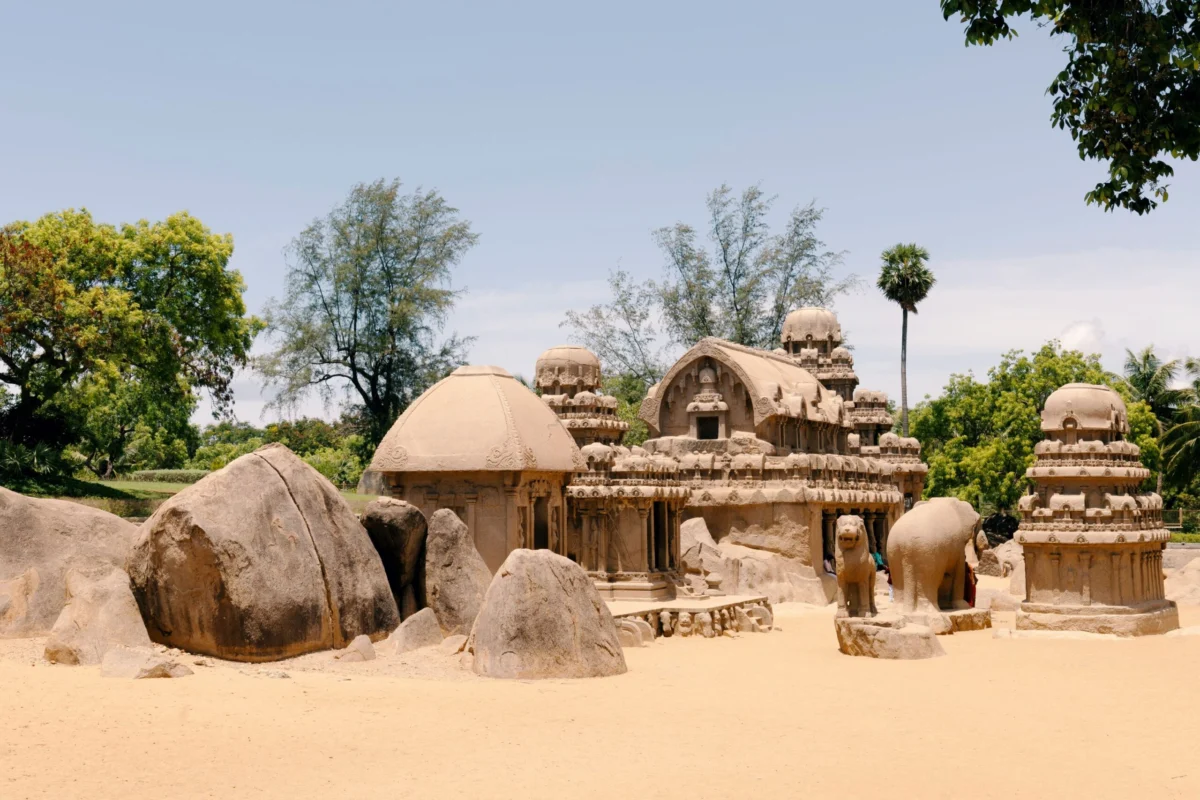
Tamil Nadu remains one of the few regions globally where the continuity of ancient civilization is not merely preserved in museums but remains a vibrant, daily reality for its 75 million inhabitants. As the cradle of Dravidian culture, the state offers a profound look into the architectural, linguistic, and spiritual traditions that have shaped the Indian subcontinent for over two millennia. A recent collaborative initiative between Abercrombie & Kent and Condé Nast Traveler has highlighted this cultural depth through a ten-day curated exploration of the state’s most significant historical corridors, from the granite shores of Mahabalipuram to the mercantile mansions of Chettinad and the towering gopurams of Madurai.
.jpg)
The Architectural Genesis of the Pallava Dynasty
The journey into the Tamil heartland often begins at Mahabalipuram, a UNESCO World Heritage site located on the Coromandel Coast. This shoreline served as the primary port for the Pallava dynasty, which ruled between the 4th and 9th centuries CE. The Pallavas were pioneers of South Indian rock-cut architecture, transitioning from carving directly into cave faces to creating free-standing monolithic structures known as rathas.
A focal point of this era is the monumental Nandi, the sacred bull of Siva, sculpted over 1,300 years ago from a single granite boulder. Unlike the highly articulated sculptures of later periods, these early works possess a serene, introspective quality. British excavators during the colonial period rediscovered many of these structures, which had been partially submerged by the sea or buried by shifting sands for centuries. The Shore Temple, standing against the backdrop of the Bay of Bengal, remains a testament to the Pallavas’ ability to harmonize structural integrity with the natural landscape.
.jpg)
Supporting this historical narrative is the "Descent of the Ganges," a 43-foot-tall open-air bas-relief carved in the 7th century. Regarded as one of the largest and most intricate examples of street art from the ancient world, it depicts a cosmic event involving gods, celestial beings, and life-sized elephants, illustrating the Pallava belief in the interconnectedness of the divine and the mundane.
The Imperial Zenith of the Chola Empire
Moving inland toward Thanjavur (formerly Tanjore), the historical focus shifts to the 11th century and the height of the Chola Empire. Under Rajaraja Chola I, the dynasty consolidated power across South India and parts of Southeast Asia, funding the construction of the Brihadeeswara Temple, completed in 1010 CE.
.jpg)
This temple represents the pinnacle of Dravidian architecture. Its central tower, or vimana, rises to 216 feet, topped by an 80-ton granite cupola. Historical records suggest that this massive stone was hauled to the summit via a four-mile-long inclined ramp, utilizing a retinue of elephants and thousands of laborers. The Cholas did not view temples solely as places of worship; they were the socioeconomic hubs of the empire.
As noted by regional historians and local guides such as N. Paneer Selvam, these structures functioned as centers of learning, music, and dance. They served as administrative offices, grain storehouses, and even as fortresses during periods of invasion. This "social consciousness" of the monarchs ensured that the wealth of the empire was anchored in institutions that served the public, creating a bridge between the ruling elite and the common citizenry.
.jpg)
Madurai and the Living Continuity of the Goddess
The city of Madurai, often called the "Athens of the East," is one of the oldest continuously inhabited cities in the world. Its layout is centered on the Meenakshi Amman Temple, a sprawling complex dedicated to the goddess Meenakshi, a manifestation of Parvati. The current structure, largely built by the Nayak dynasty in the 17th century, features 14 gopurams (gateway towers), the tallest of which reaches 170 feet.
The temple is estimated to house over 33,000 sculptures, ranging from fierce warrior deities to delicate celestial dancers. In Madurai, the distinction between historical time and the present moment often blurs. The daily rituals, the making of "kolams" (intricate rice-flour patterns) at every threshold, and the feeding of temple animals reflect a cyclical understanding of time inherent in Hindu philosophy.
.jpg)
Beyond the temple, the Thirumalai Nayak Palace illustrates the cross-cultural influences that reached South India in the 1600s. Featuring a blend of Italian and Rajput architectural styles, the palace was reportedly designed with the assistance of an Italian architect, showcasing the cosmopolitan nature of the Nayak court during a time when global trade routes were expanding.
The Mercantile Grandeur and Culinary Heritage of Chettinad
The arid region of Chettinad offers a stark contrast to the temple towns. It is the ancestral home of the Nattukottai Chettiars, a powerful seafaring mercantile community that amassed significant wealth through trade in salt, spices, and gems across Southeast Asia during the 18th and 19th centuries.
.jpg)
When the Chettiars returned to their homeland, they constructed thousands of opulent mansions that served as showcases of their global reach. These homes feature:
- Italian Marble: Used for chessboard-patterned floors.
- Belgian Stained Glass: Adorning clerestory windows.
- Burma Teak: Utilized for massive, intricately carved doors and pillars.
- Sri Lankan Satinwood: Used in dining hall beams.
While many Chettiars emigrated in the 20th century to pursue careers in global finance, the region is currently undergoing a renaissance. Heritage preservationists are converting these ancestral homes into boutique hotels, such as Chidambara Vilas, to sustain the local economy. This revival also highlights Chettinad cuisine, which is renowned for its complex use of spices and unique ingredients like "black forbidden rice," historically imported from China.
.jpg)
The Artisan Economy: Preserving Deep Time
The soul of Tamil Nadu is perhaps most visible in its artisan villages, where traditional crafts have been passed down through generations. These workshops represent a critical sector of the state’s cultural economy:
- Srinivasapuram: Specializes in "cire perdue" (lost-wax) bronze casting, a technique perfected during the Chola period to create temple idols.
- Dharasuram: A hub for silk weaving, where artisans operate handlooms to produce the world-renowned Kanchipuram and Dharasuram silk sarees.
- Athangudi: Famous for its handmade cement tiles, where masters like Selvam create intricate floral and geometric designs freehand, without the use of modern machinery.
- Vilachery: Known for its pottery and papier-mâché work, specifically the production of "Golu" dolls used during the Navratri festival.
Data from the Ministry of Textiles indicates that Tamil Nadu remains a leader in handloom and handicraft exports, providing livelihoods for hundreds of thousands of artisans. For many of these workers, their labor is a form of "devotional service," where the act of creation is inextricably linked to their spiritual identity.
.jpg)
Modernity and the Vision of Auroville
The final phase of the regional exploration often concludes in the coastal enclave of Puducherry and the experimental township of Auroville. Founded in 1968 by Mirra Alfassa (known as "The Mother") and inspired by the philosophy of Sri Aurobindo, Auroville is an international commune dedicated to human unity.
The Matrimandir, a golden-domed meditation center, serves as the town’s spiritual heart. Clad in 1,415 gold-plated stainless steel discs, the structure is devoid of traditional idols or religious iconography, representing a modernist evolution of the Tamil tradition of seeking the transcendent. Auroville currently hosts approximately 3,500 residents from over 60 nations, operating as a self-sustaining laboratory for sustainable living, organic farming, and innovative architecture.
.jpg)
Broader Impact and Tourism Implications
The development of high-end, curated travel experiences in Tamil Nadu, such as the ten-day small-group tours priced at approximately $7,900, reflects a strategic shift in India’s tourism sector. There is an increasing demand for "slow travel" that prioritizes cultural immersion and ethical engagement with local communities over rapid sightseeing.
By connecting travelers directly with artisans and heritage sites, these initiatives provide the financial capital necessary for preservation while fostering global appreciation for Tamil culture. The state’s ability to maintain its classical language—one of the few in the world still in daily use—alongside its ancient architectural traditions, positions Tamil Nadu as a vital study in cultural resilience.
.jpg)
In conclusion, Tamil Nadu offers a unique synthesis of the ancient and the contemporary. From the verdant paddy fields of the Cauvery Delta to the bustling markets of Madurai, the region remains a testament to the enduring power of Dravidian heritage. As the state continues to navigate the challenges of modernization, its commitment to its artistic and spiritual roots ensures that the "Soul of Southern India" remains intact for future generations.