Ronny Sianturi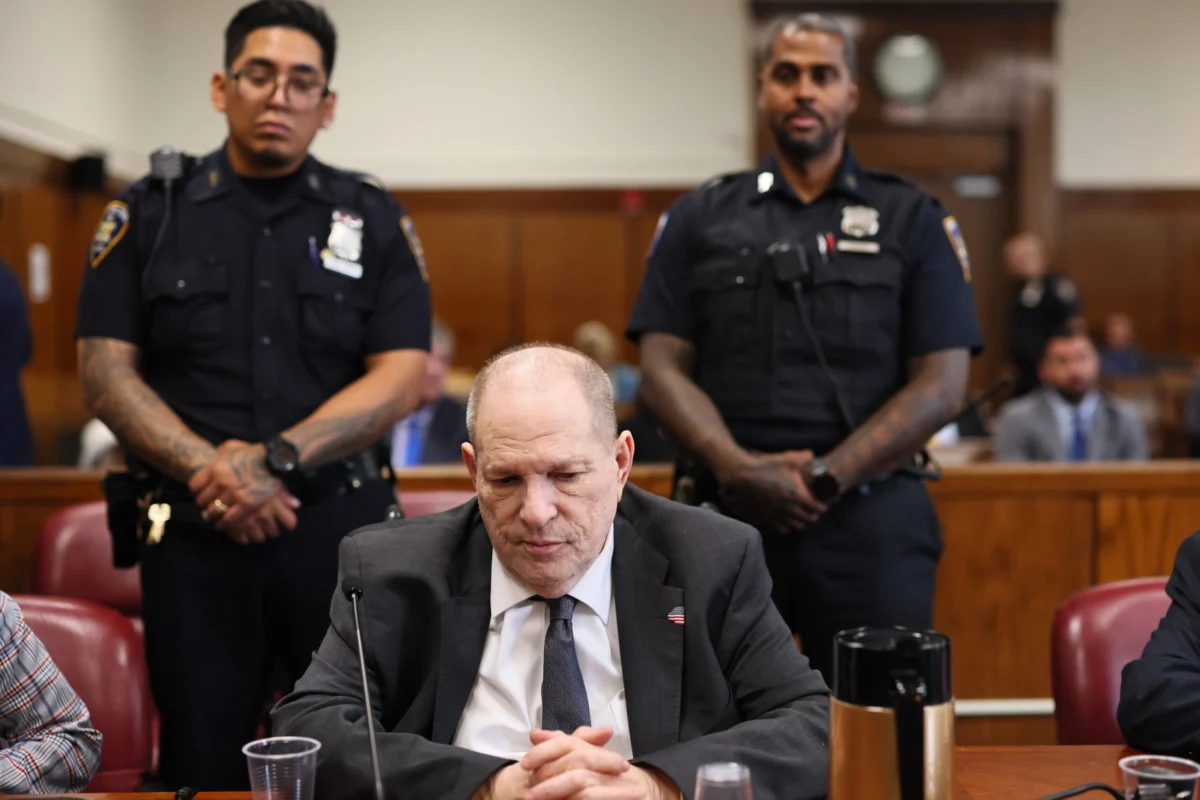
A significant legal development in the ongoing case of former film producer Harvey Weinstein saw a state appeals court uphold his rape conviction in California, while simultaneously ordering a resentencing. The ruling from California’s 2nd District Court of Appeal on Friday affirmed the core of the jury’s decision regarding Weinstein’s guilt in the rape conviction, a crucial point in the protracted legal battles he has faced. However, the court vacated the existing sentence, mandating a revisit of the penalty phase due to issues stemming from a separate overturned conviction in New York. This dual-pronged decision highlights the complex legal landscape surrounding Weinstein and the varying evidentiary rules across jurisdictions.
Weinstein is currently incarcerated, serving a 16-year sentence for his California conviction. This sentence was reportedly set at the higher end of the maximum term, influenced by his prior guilty verdict in New York. The three-judge panel of the appellate court meticulously reviewed the case, ultimately finding that while the convictions themselves stood, the sentencing was impacted by the subsequent nullification of his New York conviction. Consequently, the court’s docket stated, “The sentence is vacated and the matter is remanded for resentencing. In all other respects, the judgment is affirmed.” This signifies that the jury’s determination of guilt in the California trial remains intact, but the basis for the punishment needs to be re-evaluated.
The Path to the California Conviction
The California conviction, which forms the bedrock of the current appellate ruling, stems from charges related to sexual assault allegations from 2013. Weinstein was found guilty of rape and forced oral copulation by a Los Angeles jury in December 2022. The trial, which garnered widespread attention due to Weinstein’s prominent status in Hollywood and the broader #MeToo movement, featured testimony from multiple accusers. The prosecution successfully argued that Weinstein, leveraging his power and influence, sexually assaulted two women. The jury’s deliberation was extensive, ultimately leading to the guilty verdict on several counts.
New York Conviction and Its Overturn
This California appeal unfolds against the backdrop of Weinstein’s legal travails in New York. In February 2020, Weinstein was convicted of first-degree rape and criminal sexual act in the first degree in a New York trial, leading to a 23-year sentence. However, in April 2024, New York’s highest court, the Court of Appeals, overturned this conviction. The appellate judges cited that the trial judge had “erroneously admitted testimony of uncharged, alleged prior sexual acts.” This admission, the court found, was an “abuse of judicial discretion” and prejudiced the jury against Weinstein. This crucial overturn in New York directly impacted the sentencing in California, as the prior New York conviction had served as an aggravating factor.
Legal Implications of Differing Evidentiary Rules
A key distinction that emerged during Weinstein’s trials, and which is relevant to the California appellate court’s decision, lies in the differing rules of evidence concerning prior bad acts in New York and California. In California, courts are permitted to introduce evidence that demonstrates a defendant’s propensity to commit sex crimes, even if those allegations have not resulted in formal charges. This "propensity evidence" aims to show a pattern of behavior. In contrast, New York courts have stricter limitations on the admission of such evidence, generally allowing it only when it is demonstrably necessary to establish a defendant’s motive, intent, or a common scheme in carrying out the alleged crimes. This disparity in legal frameworks has played a significant role in the outcomes of Weinstein’s trials and subsequent appeals.
Weinstein’s Legal Team and Future Appeal
Following the California appellate court’s decision, a spokesperson for Harvey Weinstein issued a statement indicating the former film producer’s intention to appeal to the California Supreme Court. The statement conveyed the legal team’s continued conviction that "significant legal issues deserve further consideration." The spokesperson specifically highlighted the appellate court’s recognition that Weinstein is indeed entitled to a new sentencing hearing as a positive aspect of the ruling. This indicates a strategic focus on the sentencing phase, where the impact of the overturned New York conviction will be a central point of contention.
Broader Context: The #MeToo Movement and Weinstein’s Legacy
Harvey Weinstein was once one of Hollywood’s most powerful producers, with his company, The Weinstein Company, responsible for a string of critically acclaimed and commercially successful films. However, his career imploded in October 2017 when numerous allegations of sexual harassment, assault, and rape emerged in investigative reports by The New York Times and The New Yorker. These revelations, along with those concerning other powerful figures in various industries, ignited the global #MeToo movement, a watershed moment in the reckoning with sexual misconduct and assault. Weinstein’s legal battles have become emblematic of this broader societal shift, highlighting the challenges victims face in seeking justice and the complexities of the legal system when confronting powerful individuals accused of grave offenses.
Timeline of Key Legal Events
- October 2017: Investigative reports by The New York Times and The New Yorker detail decades of sexual abuse allegations against Harvey Weinstein, sparking the #MeToo movement.
- February 2020: Harvey Weinstein is convicted of first-degree rape and criminal sexual act in the first degree in New York, receiving a 23-year prison sentence.
- December 2022: A Los Angeles jury convicts Harvey Weinstein of rape and other sexual assault charges related to incidents in 2013.
- April 2024: New York’s highest court overturns Weinstein’s 2020 conviction, ruling that the trial judge improperly admitted testimony about uncharged sexual acts.
- May 2024 (Specific Date of Original Article): A California appeals court upholds Weinstein’s rape conviction in the state while ordering a resentencing.
Developments in New York Court
The California appellate court’s decision was issued on the same day that a New York state court judge dismissed a third-degree rape charge against Weinstein. This dismissal followed Manhattan prosecutors’ decision not to pursue a fourth trial. Weinstein is still awaiting sentencing for a conviction on a single count of criminal sexual act against former Project Runway assistant Miriam Haley. Prosecutors in New York have indicated they will seek a 20-year prison term for this conviction, a move that will likely be met with legal challenges from Weinstein’s defense.
Multiple Trials and Ongoing Legal Battles
Since 2020, Harvey Weinstein has been involved in four high-profile trials across two states. The two New York juries have previously deadlocked on a charge concerning allegations of rape against Jessica Mann, who ultimately elected not to proceed with testifying in a potential fourth trial. The complexity and length of these legal proceedings underscore the challenges inherent in prosecuting sexual assault cases, particularly when they involve powerful and well-resourced defendants.
Victim Perspectives and the Fight for Justice
The legal proceedings involving Harvey Weinstein have consistently brought the voices of survivors to the forefront. Statements from accusers and victim advocacy groups often highlight the arduous nature of the justice system for survivors of sexual assault. One accuser, whose statement was included in the original report, articulated the frustration when a convicted perpetrator is granted privileges that shield the jury from crucial information about past settlements or non-disclosure agreements. This sentiment reflects a broader concern within the victim advocacy community that such legal technicalities can sometimes undermine the pursuit of true justice for survivors of sexual assault, particularly when the perpetrator is a figure of significant public notoriety.
The Significance of the California Ruling
The California appellate court’s affirmation of Weinstein’s rape conviction is a significant development, reinforcing the jury’s original verdict in a jurisdiction that allows for the admission of propensity evidence. While the resentencing order introduces an element of uncertainty regarding the final length of his California sentence, the upholding of the conviction itself represents a victory for the prosecution and the victims involved in that trial. It underscores the distinct legal pathways and evidentiary standards that can lead to different outcomes even when addressing similar alleged conduct. The case continues to serve as a crucial focal point in the ongoing discourse surrounding accountability for sexual misconduct and the evolution of legal protections for victims. The ultimate resolution of Weinstein’s sentencing in California, and the ongoing proceedings in New York, will continue to be closely watched as indicators of the legal system’s response to allegations of this magnitude.