Ferry Irwandi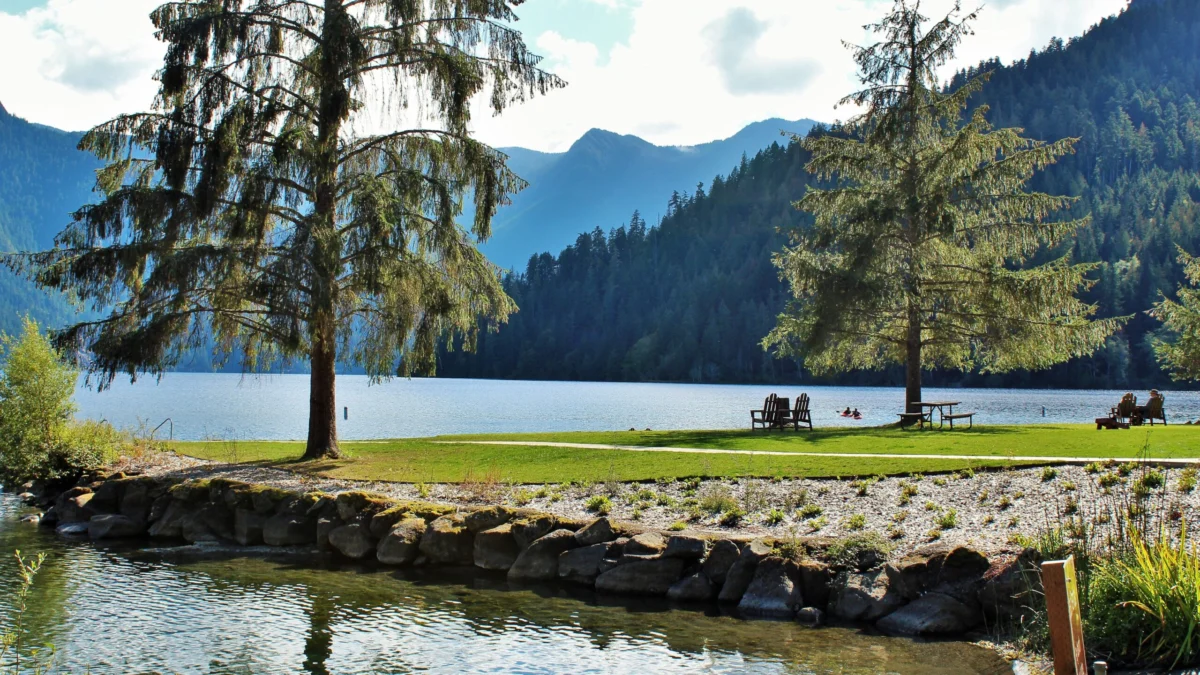
Olympic National Park, a sprawling expanse of nearly one million acres on Washington State’s Olympic Peninsula, stands as one of the most ecologically diverse protected areas in the United States. Established in 1938 by President Franklin D. Roosevelt and later designated as a UNESCO World Heritage site and an International Biosphere Reserve, the park serves as a critical sanctuary for temperate rainforests, subalpine meadows, and over 70 miles of rugged Pacific coastline. This unique convergence of three distinct ecosystems within a single park boundary offers visitors an unparalleled range of recreational opportunities, from high-altitude winter sports to explorations of ancient, moss-draped forests. As tourism to the Pacific Northwest continues to grow, understanding the logistical requirements and ecological significance of these activities is essential for both conservation and visitor experience.
The Botanical Majesty of the Hoh Rain Forest and Coastal Lowlands
At the heart of the park’s allure is the Hoh Rain Forest, one of the finest remaining examples of a temperate rainforest in the northern hemisphere. Receiving an average of 12 to 14 feet of precipitation annually, this environment fosters a lush, emerald canopy dominated by Sitka Spruce and Western Hemlock. The most accessible entry point into this prehistoric landscape is the Hall of Mosses trail.
The Hall of Mosses is a 1.1-mile loop that is characterized by its flat terrain and dense concentration of epiphytes—plants that grow upon other plants. Here, the "bigleaf" maples are frequently draped in thick curtains of Clubmoss and Licorice Ferns, creating an aesthetic that naturalists often describe as otherworldly. Because of the delicate balance of this ecosystem, the National Park Service (NPS) maintains strict regulations, including a year-round prohibition of domestic pets on the trail to protect local wildlife, such as the Roosevelt elk, which are endemic to the Pacific Northwest.
Further west, the park transitions from dense canopy to the Ozette Triangle Trail. This 9.4-mile loop provides a more rigorous day-hiking experience, featuring an elevation gain of 538 feet. The trail is unique for its structural variety, utilizing extensive boardwalks to navigate through cedar swamps and coastal forests before emerging onto the rugged Pacific beach. This area is not only a recreational hub but also a site of immense archaeological significance; the nearby Ozette Indian Village Site, a Makah tribe settlement partially buried by a mudslide hundreds of years ago, offers a window into the long-standing indigenous history of the Olympic Peninsula.
Alpine Vistas and the Geological Significance of Hurricane Ridge
Contrasting the moisture-rich lowlands is Hurricane Ridge, the park’s most accessible mountain area. Located 17 miles south of Port Angeles, the ridge provides a panoramic view of the Olympic Mountains’ jagged peaks and the Strait of Juan de Fuca. The premier hiking destination in this sector is Hurricane Hill, a six-mile round-trip excursion that ascends to an elevation of 5,757 feet.
On clear days, the summit of Hurricane Hill offers a geographic masterclass. To the north, visitors can observe Vancouver Island, British Columbia, and the San Juan Islands. To the south, the interior of the Olympic range reveals the Blue Glacier on Mount Olympus, the park’s highest peak at 7,965 feet. Geologically, these mountains are "young," formed by the subduction of the Juan de Fuca plate beneath the North American plate, a process that continues to shape the region’s topography.
The ridge also serves as a vital hub for the park’s educational initiatives. During the summer months, the NPS facilitates "Night Sky Programs" led by the Olympic Dark Rangers. These programs capitalize on the park’s status as a sanctuary from light pollution. Utilizing high-powered telescopes, rangers assist the public in identifying celestial bodies, including the Andromeda Galaxy and various nebulae. This initiative underscores a broader conservation goal: the preservation of natural darkness, which is increasingly recognized as a critical resource for both human well-being and nocturnal wildlife behavior.
Hydrology and Geothermal Resources: Lake Crescent and Sol Duc
The park’s hydrological features are as diverse as its terrain. Lake Crescent, situated approximately 18 miles west of Port Angeles, is a deep, glacially carved lake known for its striking clarity and brilliant blue hue. Reaching depths of 624 feet, the lake is nitrogen-poor, which prevents the growth of algae and maintains its transparency.
Guided boat tours on Lake Crescent, operating from mid-June through mid-September, offer historical and geological context. These 90-minute sessions detail the "Great Slide" theory—a massive landslide thousands of years ago that isolated Lake Crescent from nearby Lake Sutherland, leading to the evolution of unique fish species, such as the Beardslee and Crescenti trout. For those seeking independent recreation, the historic Lake Crescent Lodge provides rowboat rentals, allowing for a quiet immersion in the surrounding wilderness.
Adjacent to the Lake Crescent area is the Sol Duc Valley, home to the Sol Duc Hot Springs. Unlike many commercialized springs, the water at Sol Duc originates from rain and snowmelt that seeps into the ground, is heated by volcanic gases, and rises back to the surface through cracks in the sedimentary rock. The Sol Duc Hot Springs Resort manages four pools ranging from 50 to 104 degrees Fahrenheit. These mineral-rich waters have been utilized for their perceived therapeutic properties for centuries, initially by the Quileute and other local tribes, and later by European settlers who established the first resort on the site in 1912.
Winter Operations and the Hurricane Ridge Ski Area
While the majority of national park visitors arrive during the summer, the winter season transforms the Olympics into a premier destination for snow sports. Hurricane Ridge becomes the epicenter of activity, though access is strictly regulated. The Hurricane Ridge Road is typically open only on weekends and Monday holidays during the winter, and all vehicles are required to carry snow chains, regardless of weather conditions at lower elevations.
At an elevation of 5,242 feet, the Hurricane Ridge Ski and Snowboard Area is one of only three lift-serviced ski areas located within a U.S. National Park. It is the westernmost ski area in the contiguous United States and offers a "rugged" experience, with groomed runs for beginners and expansive bowls for backcountry enthusiasts. The area features 15 to 20 miles of marked but ungroomed routes for cross-country skiing and snowshoeing.
The operation of this ski area is a collaborative effort between the National Park Service and the Hurricane Ridge Winter Sports Club, a non-profit organization. This partnership highlights a unique management model that balances public recreation with the stringent environmental protections required by the Department of the Interior. However, the region faces challenges; climate change has led to more volatile snowpacks, and a devastating fire in May 2023 destroyed the historic Hurricane Ridge Day Lodge, significantly impacting visitor services and forcing the park to implement temporary facilities and revised capacity limits.
Infrastructure, Economic Impact, and Future Outlook
The management of Olympic National Park is a complex undertaking that involves balancing high visitor volume with habitat preservation. According to NPS data, the park consistently ranks among the top ten most-visited national parks in the United States, contributing over $300 million annually to the local economy. This "gateway" economy supports thousands of jobs in communities like Port Angeles, Sequim, and Forks.
However, the influx of tourists necessitates constant infrastructure maintenance. The Olympic Peninsula’s heavy rainfall frequently causes washouts on access roads, such as the Elwha River Road, which has seen long-term closures due to flooding. Furthermore, the park is currently engaged in one of the largest ecosystem restoration projects in history following the removal of the Elwha and Glines Canyon dams. This project has allowed the Elwha River to flow freely for the first time in a century, resulting in the return of salmon populations and the restoration of the river delta.
As the National Park Service looks toward the future, the emphasis remains on "Leave No Trace" principles and sustainable tourism. The park’s administration has expressed a commitment to upgrading facilities while maintaining the "primitive" feel that defines the Olympic wilderness.
"The goal is not just to provide a backdrop for a hike," a National Park Service representative stated in a recent planning document regarding visitor impact. "The goal is to foster an understanding of how these ecosystems—from the depths of Lake Crescent to the peaks of the Olympics—interconnect. Every visitor who leaves with a better understanding of that connectivity becomes a steward for the future of the park."
For travelers, Olympic National Park offers more than just scenic vistas; it provides a comprehensive look at the resilience and complexity of the natural world. Whether through a 90-minute boat tour, a 1.1-mile walk through the Hoh Rain Forest, or a weekend of backcountry skiing, the park remains a vital testament to the importance of preserving large-scale, intact ecosystems in an increasingly developed world. As the seasons shift and the snow on Hurricane Ridge gives way to the wildflowers of summer, the park continues to serve as a cornerstone of American conservation and a premier destination for global tourism.