Nila Kartika Wati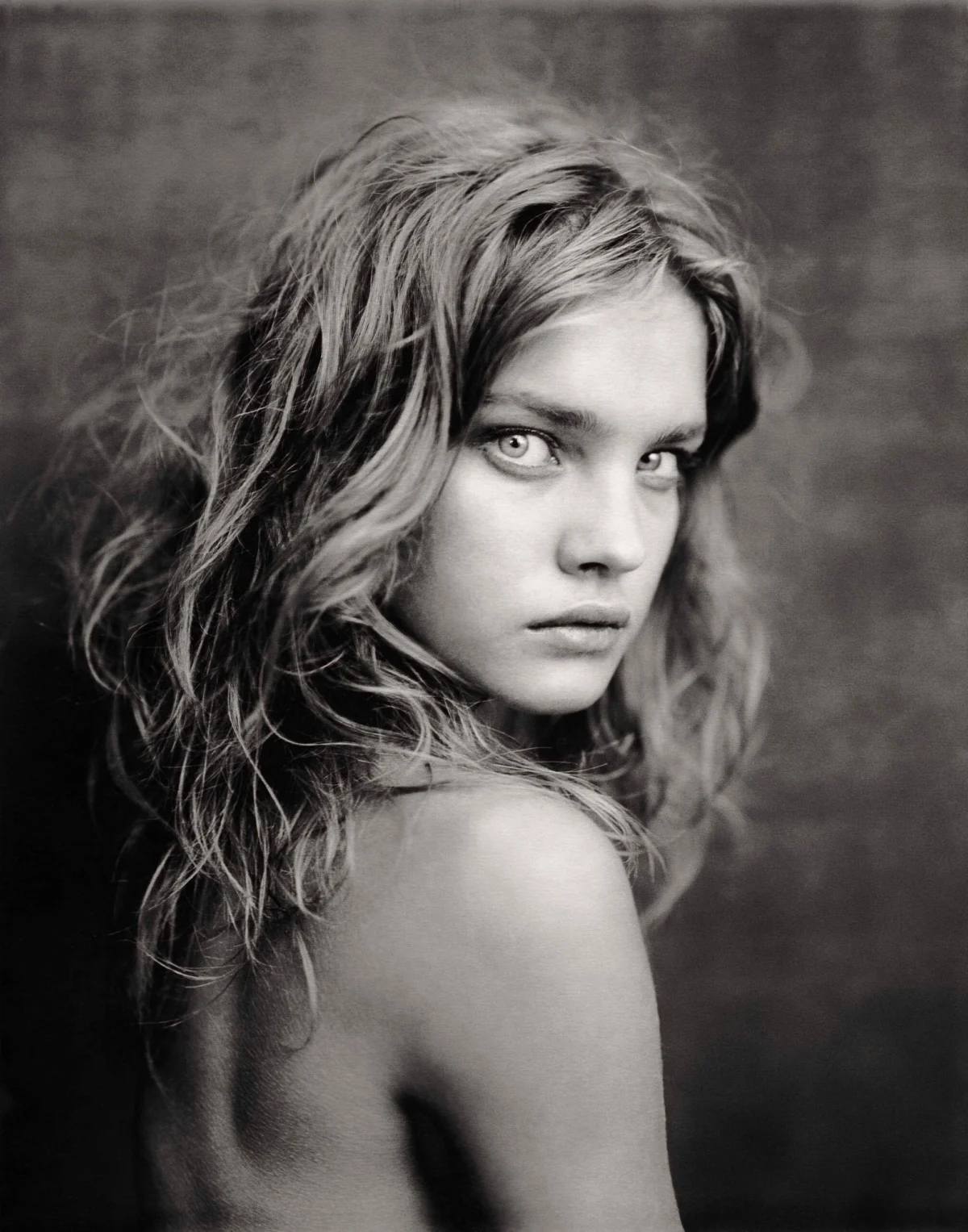
The MOP Foundation in A Coruña, Spain, is set to host a significant exhibition dedicated to the celebrated Italian fashion photographer Paolo Roversi, a visionary whose lens has consistently captured the essence of style as a profound expression of the soul. Titled "Style is Your Soul," the exhibition promises to be a landmark event, drawing from Roversi’s extensive career and his unique approach to image-making. This retrospective is the latest in a series of high-profile exhibitions curated by Marta Ortega Pérez, chair of Inditex, showcasing pivotal figures in fashion photography and their indelible impact on the industry. The exhibition will delve into Roversi’s artistic philosophy, his iconic collaborations, and his profound influence on how fashion is perceived and documented.
A Legacy of Light and Soul: Roversi’s Artistic Vision
Paolo Roversi, a name synonymous with evocative and timeless imagery, has consistently pushed the boundaries of fashion photography. His work is characterized by a signature use of light, often soft and diffused, creating an ethereal atmosphere that imbues his subjects with a sense of mystery and depth. Unlike many photographers who focus solely on trends or commercial appeal, Roversi’s approach is deeply rooted in capturing the emotional and psychological essence of his subjects. He famously stated to Tim Blanks, "Your style is not a technique, your style is your soul," a sentiment that encapsulates his artistic ethos. This philosophy elevates fashion photography from a mere commercial medium to a profound form of artistic expression, exploring the inner world of the individuals he photographs.
The exhibition will prominently feature images that exemplify this philosophy, including his seminal work with Canadian model Kirsten Owen. Described as fashion’s "Mona Lisa," Owen’s early collaborations with Roversi in the mid-1980s, particularly when photographed in the designs of Romeo Gigli, are highlighted as transformative. Owen, who first sat for Roversi at the tender age of 16, possessed a composure that transcended her years, a "haunted, haunting" presence that resonated deeply with the photographer. Roversi affectionately referred to her as his "angel of light," recognizing her unique ability to guide him into a new dimension of fashion photography. Her contribution, he explained, was far more than that of a traditional muse; she was instrumental in teaching him that fashion photography could transcend its commercial confines and touch upon something more profound.
The MOP Foundation: A Hub for Fashion’s Creative Elite
The MOP Foundation, established by Marta Ortega Pérez, has rapidly ascended to become a crucial platform for celebrating and preserving the legacy of fashion photography. Pérez, who also chairs the global retail giant Inditex, has demonstrated a keen eye for curating exhibitions that not only showcase artistic talent but also offer valuable insights into the evolution of the fashion industry. Previous exhibitions at the foundation have featured luminaries such as Steven Meisel and Peter Lindbergh, drawing significant international attention and reinforcing the foundation’s commitment to fostering a deeper appreciation for fashion’s visual arts.
The selection of Paolo Roversi as a featured artist is a testament to his enduring influence and the consistent quality of his work. His retrospective at the MOP Foundation is expected to attract a diverse audience, including fashion professionals, art enthusiasts, and the general public, all eager to experience the visual poetry of his career. The foundation’s commitment to high-caliber exhibitions underscores its ambition to become a global center for fashion culture, bridging the gap between creative artistry and commercial enterprise.
A Chronology of Iconic Imagery
Paolo Roversi’s journey in fashion photography spans several decades, marked by a series of iconic collaborations and groundbreaking editorial work. His early career saw him developing his distinctive style, often drawing inspiration from classical art and Renaissance masters. The mid-1980s proved to be a pivotal period, with his work for designers like Romeo Gigli and his collaborations with emerging models who embodied his aesthetic vision. The images of Kirsten Owen from this era are particularly significant, demonstrating his ability to capture a timeless beauty and an inner narrative that has become his hallmark.
Throughout the 1990s and 2000s, Roversi continued to work with leading fashion houses and publications, including Dior, Comme des Garçons, and Vogue. His portraits of supermodels like Kate Moss, Naomi Campbell, and Gisele Bündchen, while undeniably glamorous, always retained a depth and introspection that set them apart. His persistent use of the Polaroid camera, particularly in his later work, allowed him to explore spontaneous moments and a more raw, unfiltered aesthetic, while still maintaining his signature atmospheric quality. The exhibition will likely trace this evolution, showcasing the breadth of his creative output and the consistency of his artistic voice across different eras and assignments.
The "Natalia, Paris 2003" image, featured with the exhibition announcement, offers a glimpse into the evocative power of Roversi’s portraiture. This photograph, capturing a model bathed in soft light, exemplifies his ability to create a sense of timeless elegance and profound emotion. Such images are not merely fashion advertisements; they are artistic statements that contribute to the broader cultural discourse surrounding beauty, identity, and self-expression.
Supporting Data and Industry Impact
The fashion industry, a multi-trillion dollar global enterprise, relies heavily on compelling visual storytelling. Fashion photography, therefore, plays a critical role in shaping consumer perception, driving trends, and building brand identity. Paolo Roversi’s work has consistently influenced the aesthetic sensibilities of designers, stylists, and editors alike. His ability to imbue garments with narrative and emotion has elevated the perception of fashion beyond mere clothing to an art form.
The success of exhibitions like the one at the MOP Foundation speaks to the growing recognition of fashion photography as a legitimate and valuable field of artistic study and appreciation. Galleries and museums worldwide are increasingly dedicating space to showcase the work of fashion photographers, acknowledging their contribution to visual culture. The economic implications of such exhibitions are also significant, driving tourism, boosting local economies, and enhancing the cultural profile of host cities. For A Coruña, hosting the MOP Foundation’s exhibitions solidifies its position as a significant cultural destination within the global fashion landscape.
Reactions and Inferences from Related Parties
While direct statements from all parties involved in the MOP Foundation exhibition may not be publicly available at this stage, the commitment of Marta Ortega Pérez to showcasing fashion photography icons like Roversi strongly suggests a shared vision. Pérez’s dedication to preserving and celebrating the history of fashion photography indicates a belief in its cultural and artistic significance. Her patronage provides a vital platform for photographers like Roversi to reach new audiences and for their work to be contextualized within the broader history of art and culture.
The inclusion of Roversi in a series that has previously featured Meisel and Lindbergh suggests a deliberate effort by the MOP Foundation to highlight photographers whose work has not only defined eras but also profoundly shaped the industry’s visual language. This curated selection implies a narrative arc, exploring different facets of fashion photography’s evolution and its impact on contemporary culture. The continued success of these exhibitions is likely to inspire other institutions and collectors to invest further in the preservation and exhibition of fashion photography.
Broader Impact and Future Implications
The "Style is Your Soul" exhibition at the MOP Foundation has far-reaching implications for the fashion industry and the art world. It serves as a powerful reminder of the enduring power of authentic artistic expression in an era often dominated by fleeting trends and commercial pressures. Roversi’s emphasis on the "soul" of style encourages a deeper consideration of what fashion truly represents – not just as adornment, but as a profound form of personal and cultural identity.
For aspiring photographers and creatives, the exhibition offers invaluable lessons in artistic integrity and the pursuit of a unique vision. Roversi’s career demonstrates that consistent dedication to one’s artistic principles, coupled with a deep understanding of subject and medium, can lead to a lasting legacy. Furthermore, the MOP Foundation’s commitment to showcasing such talent contributes to a richer, more nuanced understanding of fashion’s place within the broader spectrum of art and culture.
As the fashion industry continues to evolve, the role of visual storytelling remains paramount. Exhibitions like Paolo Roversi’s at the MOP Foundation ensure that the foundational elements of this visual language are not only preserved but also celebrated and reinterpreted for future generations. The exhibition is poised to be more than just a display of photographs; it will be an exploration of the human spirit as captured through the transformative lens of fashion.