Reynand Wu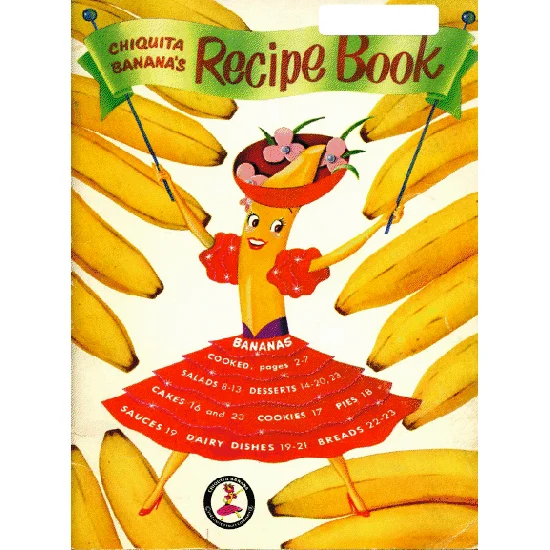
Over the past year, Mars Wrigley’s iconic M&M’s characters have found themselves at the epicenter of a swirling public debate, dominating news cycles, social media feeds, and even Super Bowl commercials. What began as a seemingly innocuous marketing adjustment aimed at fostering inclusivity quickly escalated into a prominent battleground in broader cultural discussions surrounding gender representation, corporate social responsibility, and the evolving landscape of media influence. This extensive controversy underscores the complex interplay between brand identity, consumer expectations, and deeply ingrained societal perceptions of gender.
A Legacy of Character-Driven Marketing
M&M’s, introduced by Mars in 1941, have long relied on their vibrant, anthropomorphic candy characters to convey brand personality and appeal to a global audience. These "spokescandies," first appearing in the 1950s, became synonymous with the brand, each imbued with distinct personalities. For decades, the female M&M characters, particularly the Green M&M and later the Brown M&M, were intentionally designed and marketed with overtly sexualized traits. The Green M&M, for instance, has a long history of being portrayed in a flirtatious, seductive manner, often depicted in high-heeled boots and suggestive poses, a marketing strategy that became a cornerstone of her brand identity. This approach was not an anomaly but rather reflective of a broader trend in advertising where female characters, even animated ones, were often sexualized to attract attention, particularly from a male demographic. This practice subtly reinforces the notion of women as objects of desire rather than subjects with agency.
Mars Wrigley’s Push for Inclusivity
In January 2022, Mars Wrigley announced a global rebranding initiative for its M&M’s characters, signaling a shift toward more inclusive marketing. The company’s stated objective was to create a "more dynamic, progressive world where everyone feels they belong." As part of this overhaul, several subtle but significant changes were introduced to the character designs. Most notably, the Green M&M’s signature go-go boots were replaced with more practical sneakers, and the Brown M&M’s stiletto heels were shortened to a more sensible block heel. Additionally, the characters’ poses and expressions were adjusted to emphasize their individual personalities and foster a sense of community among them, moving away from overtly sexualized postures. This move aligned with a growing trend among major corporations to adapt their branding to reflect modern values, emphasizing diversity, equity, and inclusion (DEI) in response to evolving consumer demographics and social expectations, particularly among younger generations like Gen Z, who often prioritize ethical consumption and social impact.
The Eruption of Cultural Backlash
The seemingly minor wardrobe adjustments, however, ignited a surprisingly intense and widespread backlash. Prominent conservative media figures quickly seized upon the changes, framing them as an example of "wokeness" gone too far. Tucker Carlson, then a host on Fox News, became a leading voice of this opposition, articulating a sentiment shared by many critics. He famously stated that "M&M’s will not be satisfied until every last cartoon character is deeply unappealing and totally androgynous." This comment encapsulated the perception among critics that the brand was sacrificing traditional appeal and distinct gender characteristics in favor of a politically correct agenda.
The criticism wasn’t confined to conservative circles. Even some voices typically aligned with progressive perspectives expressed dismay. In a Rolling Stone article provocatively titled, "Let the Green M&M Be a Nasty Little Slut," senior writer EJ Dickson argued that the changes stripped the Green M&M of her established "horny, sexy bitch" brand, questioning the feminist implications of replacing her iconic boots with "Larry David footwear." This dual-pronged criticism highlighted the complexity of navigating gender representation, where attempts at inclusivity can inadvertently clash with established brand identities or even be perceived as disempowering by those who valued the characters’ prior portrayals, however sexualized. The ensuing social media storm amplified these voices, transforming a brand marketing decision into a full-blown "culture war" spectacle, demonstrating the power of online platforms to rapidly mobilize and polarize public opinion.
Expanding the Universe: The Purple M&M’s Debut
The controversy reignited with even greater intensity in September 2022, when Mars Wrigley introduced a new M&M’s character: Purple. Designed to represent "acceptance and inclusivity," the Purple M&M debuted in a musical number promoting self-acceptance, specifically designed to embody confidence and individuality. The company highlighted her personality as "known for her earnest self-expression."
However, rather than being universally embraced, the Purple M&M’s arrival provided fresh ammunition for critics. Tucker Carlson once again lambasted the brand on Fox News, remarking, "The green M&M got her boots back, but apparently is now a lesbian maybe? And now there’s a plus-sized, obese purple M&M." These comments, while dismissive and derogatory, underscored a prevalent anxiety among certain segments of the population regarding the perceived imposition of diverse body types and sexual orientations into mainstream media, even in the realm of animated candy mascots. The introduction of Purple, intended to broaden representation, instead deepened the perception among critics that M&M’s was engaging in virtue signaling and pushing a specific ideological agenda.
The "Temporary Pause" and Maya Rudolph’s Intervention
The sustained public outcry and the increasingly politicized nature of the M&M’s characters eventually led Mars Wrigley to announce a "temporary pause" on their spokescandies in January 2023. In a statement, the company acknowledged the polarization, stating, "We weren’t sure if anyone would even notice. And we definitely didn’t think it would break the internet. But now we get it — even a candy’s shoes can be polarizing." To de-escalate the situation and bring a sense of "unity," Mars Wrigley announced that actress and comedian Maya Rudolph would serve as the new "Chief of Fun" and spokesperson for the brand.
This strategic pivot was widely interpreted as an attempt by Mars Wrigley to distance the brand from the contentious cultural debate, hoping to re-center its messaging on simple enjoyment and lightheartedness. Rudolph, known for her broadly appealing comedic style, was chosen to inject a sense of non-controversial fun back into the brand’s public image. This move highlights the precarious position corporations find themselves in when navigating social issues, often having to weigh the benefits of progressive marketing against the potential for alienating segments of their consumer base and becoming embroiled in divisive "culture wars."
Sociological Dimensions: The Sexualization of Women in Media
The M&M’s controversy, while seemingly trivial on the surface, provides a potent case study for deeper sociological analyses of gender representation in media. The sexualization of female characters, even inanimate objects like candy mascots, is a pervasive phenomenon with a long history. As noted in the original article, the Chiquita Banana, the world’s first branded fruit introduced in the 1940s, was explicitly racialized and sexualized to appeal to the American market. Her femininity was exaggerated through flirtatious winking, eye-rolling, frilly dresses, and lipstick, creating an image designed to be alluring and subservient.
M&M’s has historically employed a similar strategy. The Green M&M’s past portrayals, including scenes of pole dancing, stripping, and suggestive interactions, along with male M&M’s "ogling" her in the background, serve as clear examples of media hypersexualization. This reinforces the concept of the "male gaze," a term coined in feminist theory by Laura Mulvey, which describes the way women are depicted in visual arts and literature from a masculine, heterosexual perspective, often presenting women as passive "objects" for male pleasure. When female characters are primarily defined by their attractiveness and availability to men, it perpetuates a narrow and limiting view of women’s roles and value in society. Research consistently shows that pervasive exposure to sexualized media content leads adolescents, both male and female, to internalize the idea that a woman’s primary value lies in her physical appearance and sexual appeal. This can contribute to body image issues, self-objectification, and a reduced sense of self-worth among young girls and women who feel they must conform to unattainable societal beauty standards to be valued.
Emphasized Femininity and Hegemonic Masculinity in Conflict
The outrage over the M&M’s changes can be further understood through the sociological concepts of "emphasized femininity" and "hegemonic masculinity." Emphasized femininity refers to a set of traditional feminine norms that encourage women to accommodate men’s sexual desires and desire for control. It often involves traits like passivity, attractiveness, and emotional expressiveness, serving to legitimize the existing gender hierarchy and uphold various forms of oppression. When female characters like the Green M&M are designed to embody emphasized femininity, they are seen as fulfilling a specific role that caters to male expectations.
Conversely, "hegemonic masculinity," a concept developed by sociologist R.W. Connell, describes the dominant and idealized form of masculinity within a given society, which often involves attributes like strength, dominance, heterosexuality, and emotional restraint. This form of masculinity implicitly subordinates women and other non-hegemonic masculinities. When female characters deviate from the "stereotypical cultural notions" of emphasized femininity—by becoming "less conventionally attractive" or "sexy" in the eyes of some—it is perceived as a challenge to hegemonic masculinity. For individuals who subscribe to these ideals, the perceived loss of a character’s "sexiness" can trigger anger and a sense of threat, as their expectations and desires are seemingly not being met, even in the context of a fictional candy mascot. This phenomenon reveals how deeply ingrained gender norms are, and how any perceived deviation can be met with significant resistance. The labeling of female characters (or women in general) as "socially undesirable" – a "bitch," "lesbian," or "slut" – when they exhibit defiance or authority, serves to stigmatize and re-feminize their behavior, reasserting the dominance of the male gaze and the expectation of female subservience.
Broader Impact and Implications
The M&M’s mascot controversy, while seemingly about candy, reflects a much larger societal struggle over gender roles, representation, and the ongoing "culture wars." It highlights the intense pressure placed on corporations to navigate increasingly complex social landscapes, balancing brand legacy with evolving consumer values and the potential for public backlash from various ideological camps.
For Mars Wrigley, the incident likely resulted in a mixed bag of outcomes. While the controversy generated immense publicity—a marketing coup in some respects—it also exposed the brand to significant criticism and forced a public retreat from its initial inclusivity efforts. The financial implications of such a high-profile rebranding, subsequent public relations management, and the hiring of a celebrity spokesperson are substantial. Beyond the brand itself, the M&M’s saga serves as a stark reminder of the power of media representation, however subtle. When discussions around character changes descend into vitriolic commentary about a female character’s perceived sexual orientation or body type, it sends a damaging message, particularly to young, impressionable audiences. It reinforces harmful stereotypes and validates the idea that women’s worth is intrinsically tied to their attractiveness and their ability to conform to traditional, often objectifying, gender norms.
Ultimately, the M&M’s mascot controversy is more than just a debate about candy. It is a microcosm of larger societal tensions surrounding identity, progress, and the persistent challenge of achieving genuine inclusivity in a world still grappling with deeply entrenched gender biases and the pervasive influence of media on cultural perceptions. The ongoing dialogue, however contentious, underscores the critical need for prominent figures and corporations alike to recognize that the representation of women, whether human or animated, carries real-world implications that extend far beyond the realm of marketing and into the fabric of social discourse and individual self-perception.