
 Reynand Wu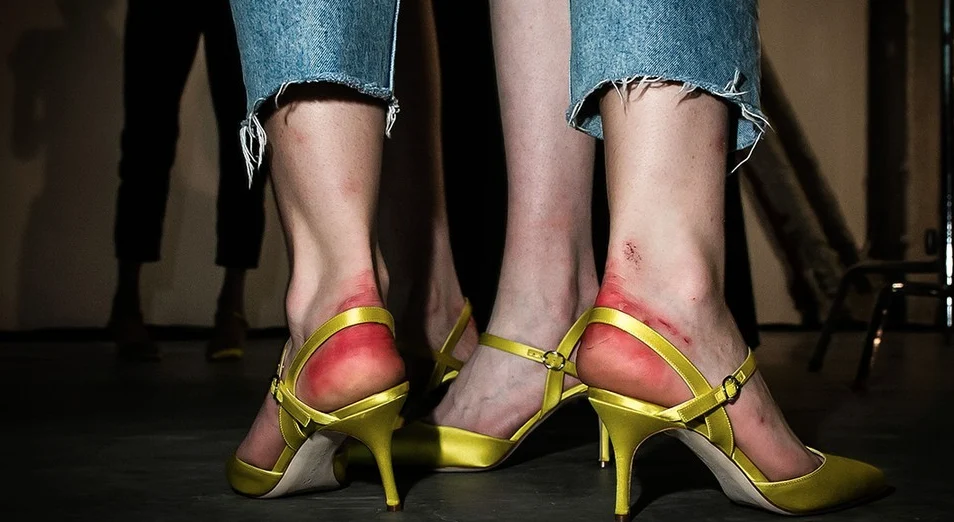
A recent photograph by Dina Litovsky, capturing a model’s visibly inflamed feet squeezed into slingback heels, has ignited a global conversation across social media platforms and traditional news outlets. The image, widely shared by prominent accounts including National Geographic and numerous Instagram influencers, garnered over 500,000 likes and countless comments, predominantly criticizing the fashion industry’s perceived prioritization of aesthetic ideals over the physical well-being of its workforce. This incident is not an isolated one, echoing similar controversies from past fashion seasons, most notably the 2012 Louis Vuitton show in Paris, where images of models’ battered and bruised feet also circulated widely, sparking outrage and calls for change. The enduring nature of these incidents underscores a deeply entrenched ethos within the high fashion world: the adage that "beauty is pain," and the complex implications this holds for the models who embody these ideals and the broader society that consumes them.
A Recurring Spectacle: The Chronology of Discomfort
The current viral moment, centered around Litovsky’s poignant capture, serves as a stark reminder of a long-standing issue. Litovsky, a renowned documentary photographer known for her unflinching gaze into various subcultures, often reveals the unseen realities behind glamorous facades. Her photo, initially shared on Instagram and further explored on her Substack, "When a Fashion Week Image Goes Viral," quickly transcended niche fashion circles. The raw vulnerability of the model’s feet resonated with a public increasingly scrutinizing labor practices and unrealistic beauty standards.
This public outcry is not without precedent. Over a decade ago, following Louis Vuitton’s Spring/Summer 2012 collection presentation, photographs depicting the heavily bandaged, bruised, and swollen feet of runway models became a global talking point. The footwear in question, intricate and often precarious, left many models in visible distress, some reportedly struggling to walk backstage. These incidents highlight a cyclical pattern: moments of extreme physical discomfort for models, captured and disseminated, leading to temporary public indignation, yet seemingly little systemic change. The fashion calendar, with its relentless pace of shows in New York, London, Milan, and Paris, often subjects models to weeks of grueling schedules, multiple fittings, rehearsals, and ultimately, performances in garments and footwear that are frequently designed for visual impact rather than ergonomic comfort.
The Model’s Dilemma: Professionalism at a Physical Cost
At the heart of this controversy lies the precarious position of models within the industry. While some high-status models, like Naomi Campbell, have famously refused to wear "unwearable" shoes during their careers, such acts of defiance carry significant professional risks. For the vast majority of models, particularly those with less established careers or lower industry status, declining a designer’s request can lead to being perceived as "unprofessional" or "difficult." This perception can have severe repercussions, from being dropped by agencies to losing future booking opportunities. The industry, often implicitly, and sometimes overtly, rewards models for their endurance – their ability to maintain demanding poses, walk in challenging footwear, and withstand long hours of shoots and shows.
This measurement of professionalism by a model’s willingness to endure pain is a troubling aspect of the fashion ecosystem. It subtly reinforces a toxic culture where physical discomfort is normalized and even glorified in the pursuit of an aesthetic ideal. Phrases like "beauty is pain" and "look good, feel good," though seemingly innocuous, link an individual’s appearance to their inherent value and capabilities, creating immense pressure. On the catwalk, these professional norms can significantly skew a model’s agency, compelling them to make personal sacrifices to uphold a desired industry image. The physical tolls, ranging from blisters and sprains to more chronic issues like bunions, hammertoes, and nerve damage, are often paid to justify and maintain this demanding professional persona.
The Business of Spectacle: Design, Artistry, and Market Demands
Understanding why designers create such challenging footwear requires an examination of the broader objectives of high fashion. Runway shows are not merely presentations of clothes; they are theatrical spectacles, artistic statements, and powerful marketing tools. Designers often push boundaries, using exaggerated silhouettes, unconventional materials, and gravity-defying footwear to create memorable, often avant-garde, looks. These designs are intended to generate buzz, capture media attention, and establish a brand’s creative vision, rather than necessarily being ready-to-wear items for mass consumption. The "showpiece" footwear, while impractical, serves as a focal point, drawing the eye and contributing to the overall narrative and impact of a collection.
From a commercial perspective, a viral image – even one born of controversy – can be a potent marketing asset in a crowded global industry. The fashion industry is a multi-trillion-dollar global market, with segments like luxury footwear contributing significantly to brand revenue and prestige. While the specific "unwearable" shoes may not be mass-produced, their dramatic appearance on the runway can elevate a brand’s profile, reinforcing its image as innovative, daring, and at the forefront of design. This pursuit of spectacle often overrides practical considerations, placing models in a position where their bodies become canvases for artistic expression, sometimes at a considerable personal cost.
Sociological Dimensions: Beauty, Commodification, and Power
Beyond the immediate physical discomfort, the phenomenon of models enduring pain for aesthetic purposes delves into profound sociological questions regarding beauty, commodification, and power dynamics. Sociologist Ashley Mears, in her ethnography of models titled "Pricing Beauty," meticulously details how models embody cultural ideals of gender, race, class, and sexual identity. Simultaneously, their personhood is commoditized; they become "aesthetic laborers" whose bodies are literally priced and presented. Mears argues that the industry’s exclusive and idealistic nature, while conferring a certain glamour, often subjects models to demanding and isolating work conditions. These viral images, therefore, serve not only as "looks" but also as potent reminders of societal expectations of beauty, reinforcing cultural standards shaped by power, race, and status. These ideals, Mears contends, become prescriptive, subtly shaping how people are expected to look and behave.
The struggle to conform to these ideals extends far beyond the runway, infiltrating the everyday lives of consumers. Essayist Jia Tolentino, in her essay "Always Be Optimizing" from "Trick Mirror," draws a compelling connection between pain, suffering, and the modern pursuit of self-optimization. Narrating her experiences with intense Pilates and barre workouts, Tolentino argues that contemporary gendered beauty ideals have morphed into an relentless quest for "optimization," effectively obscuring oppressive cultural beauty standards. Painful practices, whether in the gym or through cosmetic procedures, are reframed as "self-care," a means of "sweating it out" while simultaneously achieving a toned and sculpted physique. This narrative creates an illusion of agency, suggesting that individuals are "choosing" to optimize their bodies for their own well-being, when in reality, they may be internalizing and conforming to deeply ingrained societal pressures. The alluring promises of "look good, feel good" and the pervasive belief that "beauty is pain" serve to justify the aches, pains, and sacrifices made in the pursuit of these ideals. Shoes, in this broader context, transcend their utilitarian function, becoming symbols and vehicles for these gendered cultural and societal expectations, standards, and ideals.
Calls for Change and Industry Response
The recurring nature of these controversies has fueled calls for greater accountability and improved working conditions within the fashion industry. Organizations like The Model Alliance, founded by former model Sara Ziff, have been at the forefront of advocating for models’ rights, pushing for legislation to protect young models, ensure fair labor practices, and address issues of harassment and exploitation. Their efforts include advocating for contracts that stipulate reasonable working hours, safe environments, and fair compensation, as well as a greater emphasis on physical and mental health support for models.
While the industry has shown some incremental movement towards greater inclusivity and diversity in recent years, the issue of physical discomfort and potential harm from footwear often remains an uncomfortable undercurrent. Some designers and brands have begun to incorporate more comfortable and practical footwear into their collections, reflecting a broader cultural shift towards athleisure and wellness. However, for many high fashion houses, the artistic statement made by extreme footwear continues to outweigh practical concerns. Official responses from the brands involved in these viral incidents are typically rare or highly curated, often emphasizing artistic vision or downplaying the extent of model discomfort. The ongoing public discourse, however, keeps the pressure on, forcing a continued, albeit slow, re-evaluation of industry practices.
The Broader Impact: Reshaping Beauty Standards
The implications of the "beauty is pain" narrative extend far beyond the runway. When images of models enduring discomfort for fashion are celebrated or normalized, it subtly reinforces the idea that achieving a certain aesthetic requires sacrifice, even suffering. This message can be particularly damaging to young people, who are constantly bombarded with idealized images and may internalize the belief that their worth is tied to their physical appearance and their willingness to endure discomfort to attain it.
The conversation around Litovsky’s photo and its predecessors serves as a critical mirror, reflecting societal values and challenging the uncritical acceptance of certain beauty standards. It prompts a deeper examination of who defines beauty, whose bodies are exploited in its pursuit, and what message the fashion industry, as a powerful cultural arbiter, sends to the world. As consumers become more conscious of ethical production and labor practices, the pressure on the fashion industry to prioritize the well-being of its human capital, including its models, is likely to intensify. The hope is that these viral moments will eventually translate into concrete, systemic changes that redefine professionalism not by endurance of pain, but by respect for human dignity and health. The blistering truth, laid bare by these photographs, demands more than just fleeting outrage; it calls for a fundamental shift in how beauty is conceived, created, and consumed.








