
 Reynand Wu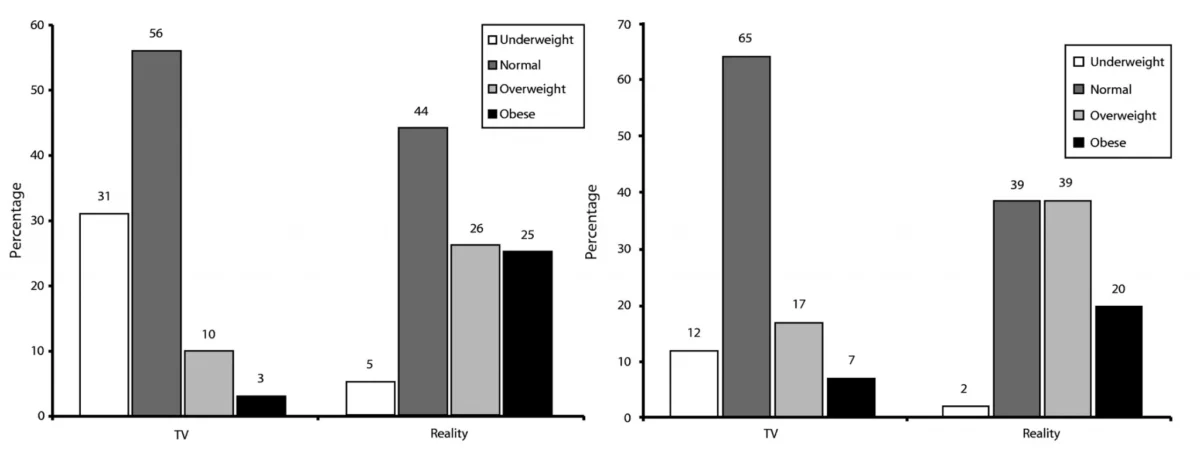
For decades, the medium of television, a ubiquitous shaper of cultural narratives and perceptions, has consistently presented a skewed, often damaging, portrayal of individuals with larger body types, reducing complex human experiences to one-dimensional caricatures and perpetuating harmful stereotypes that resonate far beyond the screen. This pervasive misrepresentation, characterized by ridicule, marginalization, and a glaring absence of authentic depth, contributes significantly to body image dissatisfaction and reinforces societal biases against those who do not conform to a narrow "thin ideal."
The Distorted Mirror: Caricature and Condemnation on Screen
Television shows frequently reduce fat characters to simplistic caricatures, denying them the nuanced stories and developed identities afforded to their thinner counterparts. Their existence on screen often serves as comic relief or a plot device, rather than a genuine exploration of character. Research consistently highlights this disparity. A notable study by Tzoutzou et al., for instance, starkly revealed that out of 36 compliments related to appearance given to women in observed media, all were directed towards thin women. Not a single positive message was extended to a woman of average or overweight body type. The pattern for men, while slightly less absolute, mirrored this bias, with only one overweight male character receiving a positive message regarding his appearance. Such findings underscore a profound imbalance, suggesting that within the televisual universe, external beauty is almost exclusively equated with thinness, effectively excluding and devaluing anyone who deviates from this restrictive definition.
This relentless reinforcement of a singular body ideal has profound psychological implications for viewers. Audiences, particularly impressionable younger demographics, can internalize this "thin ideal," leading to difficulties in self-acceptance and a diminished sense of self-worth, especially if their physical appearance does not align with the broadcasted standard. The consistent negative framing of larger bodies on screen subtly, yet powerfully, shapes how viewers perceive their own bodies and the bodies of others, cultivating a culture where body-shaming and prejudice can flourish.
The Reality Gap: Underrepresentation and Stereotyping
Beyond the overwhelmingly negative quality of representation, there is a stark quantitative deficit: individuals with larger bodies are significantly underrepresented on television. Data from studies like Brownell et al. (2003) vividly illustrate this discrepancy, comparing the prevalence of different body types on television with their actual prevalence in the general population during the 1999-2000 period. The charts revealed a dramatic skew, particularly for women, where a large percentage of the real-world population classified as overweight or obese was barely visible on screen, while thin body types were overrepresented. For men, a similar, though slightly less pronounced, gap existed. While this data is over two decades old, more recent analyses indicate that while some progress has been made, the fundamental imbalance largely persists, with plus-size characters remaining a minority and often relegated to background roles.
This pattern of dehumanization deepens when considering the limited narrative arcs afforded to these characters. They are frequently cast into one of two damaging archetypes: the comedic sidekick or the villain. In comedy, the humor derived from larger women, in particular, often comes at their expense, rather than with them. Overweight women are approximately twice as likely to be the subject of a joke compared to their thinner counterparts. Furthermore, they are consistently depicted with smaller roles, fewer romantic relationships, and engage in "fewer positive interactions than thin characters," reinforcing a narrative that larger bodies are less desirable, less capable of connection, and less worthy of a full, dignified life.
The villainous archetype is equally insidious. A study by Himes and Thompson found that in a significant 64% of the most popular children’s videos, obesity was explicitly equated with negative traits such as evil, unattractiveness, and cruelty. Classic examples abound in children’s media, from Ursula in The Little Mermaid to the Queen of Hearts in Alice In Wonderland – characters whose physical bigness is often visually linked to their moral malevolence. This deliberate association demonizes larger bodies, implicitly teaching young viewers that physical size can be an indicator of character flaws. Such portrayals strip fat characters of their humanity, preventing the development of complex, relatable backstories and reducing them to symbolic antagonists. Television, in these instances, doesn’t merely ignore larger body types; it actively demonizes them.
A Historical Perspective: The Evolution of Body Ideals in Media
The "thin ideal" propagated by television is not a new phenomenon but rather the culmination of shifting societal beauty standards amplified by media. Historically, body ideals have fluctuated dramatically. From the voluptuous figures celebrated in Renaissance art to the restrictive corsetry of the Victorian era, and the boyish silhouette of the 1920s flapper, beauty standards have always been culturally constructed. However, the mid-20th century, coinciding with the rise of mass media like film and later television, saw a powerful consolidation of the thin ideal, heavily influenced by fashion industries and evolving health narratives that often conflated thinness with health and moral virtue.
Early television, largely mirroring Hollywood’s aesthetics, established a visual lexicon that favored slender physiques. As television became increasingly central to daily life in the latter half of the 20th century, its repetitive imagery cultivated a shared understanding of what was considered "beautiful" or "desirable." This cultivation effect, where prolonged exposure to media messages shapes viewers’ perceptions of reality, cemented the thin ideal and the associated negative stereotypes of larger bodies into the collective consciousness. The Brownell et al. study from the turn of the millennium served as a critical snapshot, revealing how deeply entrenched this disparity had become, even as real-world body types continued to diversify.
Academic Insights and the Broader Impact on Audiences
The consistent bombardment of negative and stereotypical portrayals of larger bodies has tangible and detrimental effects on audiences, extending far beyond superficial aesthetic preferences. Research consistently links media consumption to body image dissatisfaction and mental health struggles. A study by Fouts and Burggraf demonstrated that as little as 30 minutes of television viewing could negatively impact how young women perceived their own bodies, leading to a cascade of external struggles. This rapid internalization underscores the potency of media messages.
The Tzoutzou et al. study further highlighted this, with girls acknowledging the media’s influence on their desire for thinness to meet prevailing beauty standards. This desire often manifests in frequent dieting, a significant precursor to disordered eating patterns. Many eating disorders, including anorexia nervosa, bulimia nervosa, and binge eating disorder, are rooted in unrealistic body standards, an image relentlessly transmitted by mass media. The psychological toll also includes low self-esteem, body dysmorphia, and heightened anxiety about appearance. Viewers, especially young women, may internalize the belief that they will be subjected to the same sexist and disparaging treatment seen on TV if they do not conform to the "body norm," leading to self-objectification and a constant preoccupation with their appearance to avoid perceived social penalties. The cumulative effect of these fictional and distorted depictions is a pervasive sense of inadequacy and self-criticism, undermining viewers’ overall well-being.
The Call for Change: Industry Responses and Advocacy
The growing awareness of media’s profound impact has spurred calls for greater responsibility and more inclusive representation. While progress has been slow, the past decade has seen some shifts, largely driven by body positivity movements and increased academic scrutiny.
- Body Positivity Advocates and Activists: Organizations and individuals dedicated to body liberation have consistently criticized the media’s role in perpetuating anti-fat bias. They argue that diverse, authentic representation is not merely a matter of political correctness but a crucial step towards dismantling systemic discrimination and improving public health. Their statements often emphasize the moral imperative for media to reflect the rich diversity of human bodies, celebrating them in all forms rather than shaming or erasing them. They call for characters whose stories are not defined by their size, but by their intelligence, relationships, careers, and personal growth.
- Academics and Researchers: Researchers continue to provide empirical evidence of the links between media consumption, body dissatisfaction, and mental health issues. Their work serves as a critical foundation for advocating change, offering data-driven insights that challenge industry practices. They often stress the need for media literacy education to help audiences critically analyze the messages they receive.
- Industry Executives (Inferred): While often slow to respond to criticism, some media executives and production companies have begun to acknowledge the demand for diversity. Their responses often highlight the challenges of balancing creative vision with market demands and traditional casting conventions. However, increasing pressure from audiences and advertisers seeking more inclusive content has led to some changes. For example, the rise of streaming platforms, with their capacity for niche programming and less reliance on traditional advertising models, has opened doors for shows that feature more diverse body types in leading, complex roles, such as Hulu’s Shrill or NBC’s This Is Us, which have been praised for their nuanced portrayals.
- Viewers and Social Media: The rise of social media has empowered viewers to voice their discontent and advocate for change directly. Hashtag campaigns, online communities, and direct feedback to networks and creators have created a new level of accountability, demanding that television be a space where all individuals can see themselves reflected with dignity and authenticity.
Beyond the Screen: Broader Societal Implications
The implications of television’s misrepresentation of larger bodies extend beyond individual self-esteem to shape broader societal attitudes and practices. The constant stream of negative imagery normalizes weight-based discrimination in various aspects of life:
- Healthcare: Studies show that individuals with larger bodies often face bias from healthcare providers, leading to misdiagnoses, delayed treatment, and a reluctance to seek medical care. Media stereotypes of laziness or gluttony contribute to this bias.
- Workplace: Weight discrimination in hiring, promotions, and workplace interactions is a documented issue, with larger individuals often perceived as less competent or professional.
- Social Interactions: The media-fueled stigma can manifest in everyday social interactions, leading to bullying, social exclusion, and prejudice.
- Policy: The lack of protective legislation against weight discrimination in many regions underscores how deeply ingrained anti-fat bias is, often implicitly justified by media narratives.
Towards an Inclusive Future: Television as a Space for Everyone
Television, at its core, is meant to be a source of entertainment, connection, and reflection. Yet, for a significant portion of the audience, it becomes a source of judgment and alienation when their bodies are mocked, ignored, or demonized. An inclusive media landscape is one where all viewers can engage with content without feeling their bodies are under scrutiny or being negatively evaluated by the narratives unfolding on screen.
Achieving this requires a concerted effort from within the industry:
- Diversity in Production: Actively hiring and promoting individuals of diverse body types in writing rooms, casting offices, and executive roles can fundamentally shift storytelling perspectives.
- Authentic Character Development: Moving beyond simplistic tropes to create multifaceted characters whose stories are rich and independent of their body size.
- Challenging the Thin Ideal: Deliberately showcasing a wider range of body types as desirable, capable, and complex, especially in romantic leads and heroic roles.
- Media Literacy: Empowering audiences, especially children and adolescents, with the tools to critically analyze media messages and understand their construction.
All bodies deserve to feel seen, valued, and genuinely represented by the stories that permeate our culture. When television embraces this principle, it transforms from a potential source of harm into a powerful platform for empathy, understanding, and universal enjoyment, making it truly fun for everyone.








