
 Reynand Wu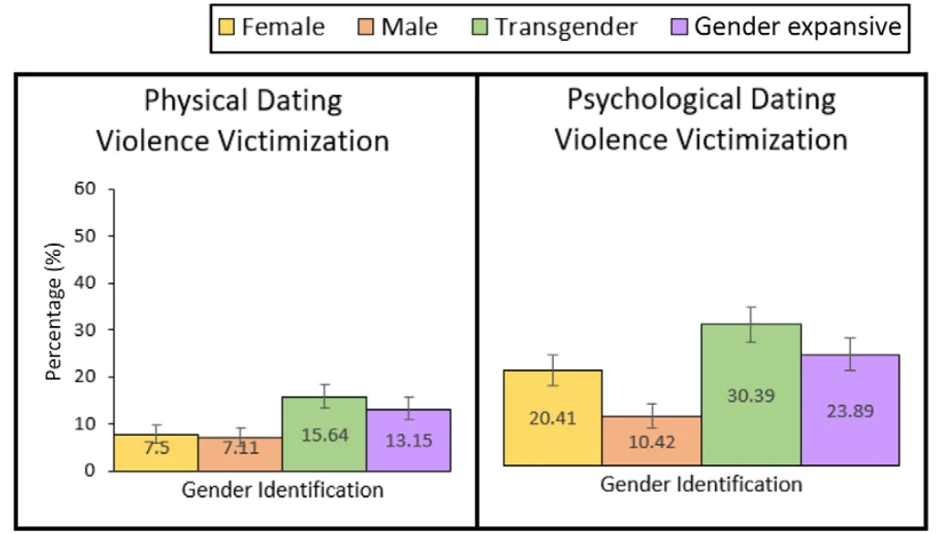
In recent years, the landscape of romantic and sexual relationships has undergone significant transformations, prompting sociologists to dedicate increased attention to phenomena such as hookup culture and the myriad modern forms of dating. While this scholarly discourse has shed light on evolving social dynamics, it has too often overlooked the distinct experiences of trans people, frequently adopting a narrow focus on college campuses and neglecting the pervasive influence of dating apps across diverse age groups. This oversight creates a critical gap in our understanding, failing to capture the unique complexities and heightened vulnerabilities faced by transgender individuals as they seek connection in a rapidly evolving digital and social environment.
The Unseen Struggle: Violence and Discrimination
The imperative to center trans experiences in discussions of modern dating is underscored by alarming statistics and qualitative research findings. A pivotal 2021 study, for instance, revealed that trans youth are twice as likely as cisgender women to have experienced physical dating violence and a sobering fifty percent more likely to have endured psychological dating violence. These figures paint a stark picture of a community disproportionately targeted by harm within intimate relationships, highlighting systemic issues that extend beyond mere interpersonal dynamics. The violence, both physical and psychological, often stems from deep-seated prejudices and a lack of understanding within broader society, which unfortunately permeate dating interactions.
Further elucidating these challenges, a 2023 study identified common, painful experiences reported by trans individuals in dating contexts. Most notably, participants frequently encountered fetishization, where their trans identity became the sole or primary focus of a prospective partner’s interest, reducing them to a sexual object rather than a whole person. This objectification often went hand-in-hand with dealing with pervasive assumptions about trans people, leading to dehumanizing interactions. One participant, a trans woman, articulated this frustration vividly: "Because I’m a trans woman, people instantly assume that I must be this massive bottom." Similarly, a trans man recounted feeling entirely unseen: "I just felt like they weren’t talking to me. They were talking to an idea they had about me." These testimonies reveal a pattern where trans individuals are frequently confronted with preconceived notions and stereotypes that overshadow their genuine selves, making authentic connection exceedingly difficult. The constant need to navigate and dismantle these assumptions adds an immense psychological burden to the already complex process of dating.
The Disclosure Dilemma: Safety in the Digital Age
The advent and widespread adoption of dating apps have revolutionized how individuals meet and interact, offering unprecedented access to potential partners. However, for trans people, these platforms introduce a unique set of challenges, particularly concerning the disclosure of their trans identity. Research has extensively explored the multifaceted decisions trans individuals make regarding when and how to reveal their identity to prospective partners on these apps.
A significant majority of participants in various studies reported proactively and explicitly disclosing their trans identity early in the dating process. The primary motivation for this upfront honesty was a profound concern for their personal safety, highlighting the real and ever-present threat of violence. One participant, who identified as genderfluid and resided in a rural area, articulated this terrifying reality when meeting someone face-to-face from a dating app: "that person could be the person that kills me." This statement underscores the chilling reality that for many trans individuals, every new encounter carries a potential risk, transforming what should be an exciting prospect into a fraught calculation of safety.
While explicit disclosure is common, others employ "softer" disclosure methods. This might involve strategically curating their dating profiles to subtly convey aspects of their identity without an overt statement. For instance, on apps that allow multiple profile pictures, individuals might showcase different facets of their identity, allowing potential partners to infer their trans identity or inviting a more natural conversation. This nuanced approach often reflects a desire to filter out those who might react negatively while still prioritizing personal safety and the integrity of their identity. The choice between explicit and subtle disclosure is a deeply personal one, constantly weighing the desire for authentic connection against the very real risks involved.
Intersectional Vulnerabilities: Who is Most at Risk?
Within the trans community itself, vulnerabilities are not uniformly distributed. Intersectional identities play a crucial role in shaping dating experiences and exposure to violence. A 2021 study found that BIPOC (Black, Indigenous, and People of Color), queer, and transfeminine individuals are disproportionately likely to have experienced dating violence. This finding underscores how intersecting marginalizations — based on race, sexuality, and gender identity — compound the risks faced by trans people, creating layers of vulnerability that demand specific attention.
Further illuminating these intersectional dynamics, a 2022 study specifically investigated the dating experiences of BIPOC trans women. This research revealed that their cisgender male partners often concealed their relationships from the public, driven by societal stigma and fear of being "found out." The consequences of this forced secrecy were devastating, ranging from physical violence to severe psychological trauma. One woman poignant spoke to this harrowing reality: "We getting killed just because of the guys here were scared that they secret would come out." This quote encapsulates the deadly intersection of transphobia and racism, where partners’ fear of social repercussions can escalate into fatal violence against trans women of color.
In response to such pervasive threats, BIPOC trans women described engaging in elaborate "survival strategies." These strategies included hypervigilance in social settings, carefully selecting clothing to avoid being "found out," and proactively avoiding certain men known to be hostile or dangerous. These are not mere dating preferences; they are essential coping mechanisms developed in the face of persistent danger, fundamentally altering the way these women navigate their romantic lives and interact with the world around them. The emotional toll of constantly being on guard, of having to strategically manage one’s identity for safety, is immense and often invisible to those outside the community.
The Broader Context: Modern Dating and Societal Prejudice
The challenges faced by trans individuals in dating are not isolated incidents but rather reflections of broader societal prejudices and systemic issues. The very structures of modern dating, including popular dating apps, were often designed with cisgender, heterosexual users in mind, creating an environment that can be exclusionary or even hostile for trans people. While apps have made strides in offering more gender identity options, the underlying algorithms and user base often perpetuate existing biases.
The concept of "hookup culture," while often discussed in terms of sexual liberation, can inadvertently become a site of increased vulnerability for trans individuals when coupled with a lack of education and respect. The casual nature of some interactions can be exploited by those with malicious intent or by individuals who view trans people as objects for experimentation rather than partners deserving of respect and consent.
Moreover, the current socio-political climate exacerbates these issues. Trans people are experiencing unprecedented levels of visibility, which, while positive in terms of representation and community building, has also been met with an alarming surge in anti-trans rhetoric and legislation across numerous countries. This backlash, often fueled by misinformation and fear, translates into real-world discrimination and violence, directly impacting trans individuals’ sense of safety and belonging, including within dating contexts. The increasing legislative attacks on trans rights, particularly concerning healthcare and public accommodation, create a hostile environment that further marginalizes and endangers trans people.
Pathways to a Safer Future: Recommendations and Remedies
In light of these pressing challenges, researchers and advocates have put forth several concrete remedies aimed at fostering a safer and more inclusive dating landscape for trans people. These recommendations span educational, technological, and legal spheres, reflecting the multi-faceted nature of the problem.
Firstly, comprehensive trans-inclusive education is paramount. This can manifest in various forms, including school curricula that teach about gender identity and diversity, sex education programs that are inclusive of trans experiences, and specialized violence prevention training. Such educational initiatives have been shown to increase comfort levels among trans people and their partners, fostering greater understanding, empathy, and respect. By demystifying trans identities and promoting accurate information, these programs can dismantle harmful stereotypes and reduce the likelihood of violence and discrimination. They also equip cisgender individuals with the knowledge to be better allies and more respectful partners.
Secondly, significant improvements are needed within dating app functionalities. Many users, particularly trans individuals, express a strong desire for better filtering options to enhance their dating experiences and mitigate exposure to harmful interactions. As one person articulated, "The majority of the interactions I have with cis men on dating apps are just shit, full stop . . . can I have less of them pop up?" This highlights a clear need for apps to empower users with more granular control over who they see and who sees them, allowing trans individuals to filter out those who are not genuinely interested in dating a trans person respectfully. This could involve more nuanced gender identity selections, preference settings that allow users to specify interest in trans partners, and more robust reporting mechanisms for transphobic behavior.
Finally, legal reforms are crucial to protect trans individuals from violence. Specifically, some study authors have strongly recommended the prohibition of "trans panic defenses." These archaic legal defenses allow perpetrators of violent crimes to justify their actions by claiming a temporary loss of control or a fit of rage after discovering their victim is transgender. By permitting such defenses, legal systems implicitly condone violence against trans people, sending a dangerous message that their lives are less valuable. Banning "trans panic defenses" would be a significant step towards affirming the humanity and right to safety of trans individuals, holding perpetrators accountable for their actions regardless of their victim’s gender identity. Several U.S. states and territories have already moved to ban these defenses, signaling a growing recognition of their injustice.
Looking Ahead: Building an Equitable Future for Love and Connection
As trans people continue to achieve new levels of visibility and simultaneously face unprecedented legislative and social attacks, the findings from social science research offer crucial insights into the urgent need for systemic change. The pursuit of romantic and sexual partners is a fundamental human desire, yet for trans individuals, this pursuit is often fraught with anxiety, danger, and the constant burden of educating or defending their identity.
The implications of these studies are profound. They call for a collective societal effort to dismantle transphobia, both overt and subtle, that permeates dating culture. They challenge technology companies to design more inclusive and safer platforms. They compel educational institutions to foster environments of understanding and respect. And they demand that legal systems uphold justice and protect the most vulnerable among us. Creating a safer and less anxious future for trans people in their quest for love and connection is not merely a matter of social justice; it is about ensuring that all individuals have the fundamental right to seek intimacy, partnership, and happiness without fear. The ongoing research serves as a vital compass, guiding us towards a more equitable and compassionate landscape of modern romance for everyone.
Leah Long is a history and sociology student at Macalester College who researches and writes about trans history and politics.








