Ferry Irwandi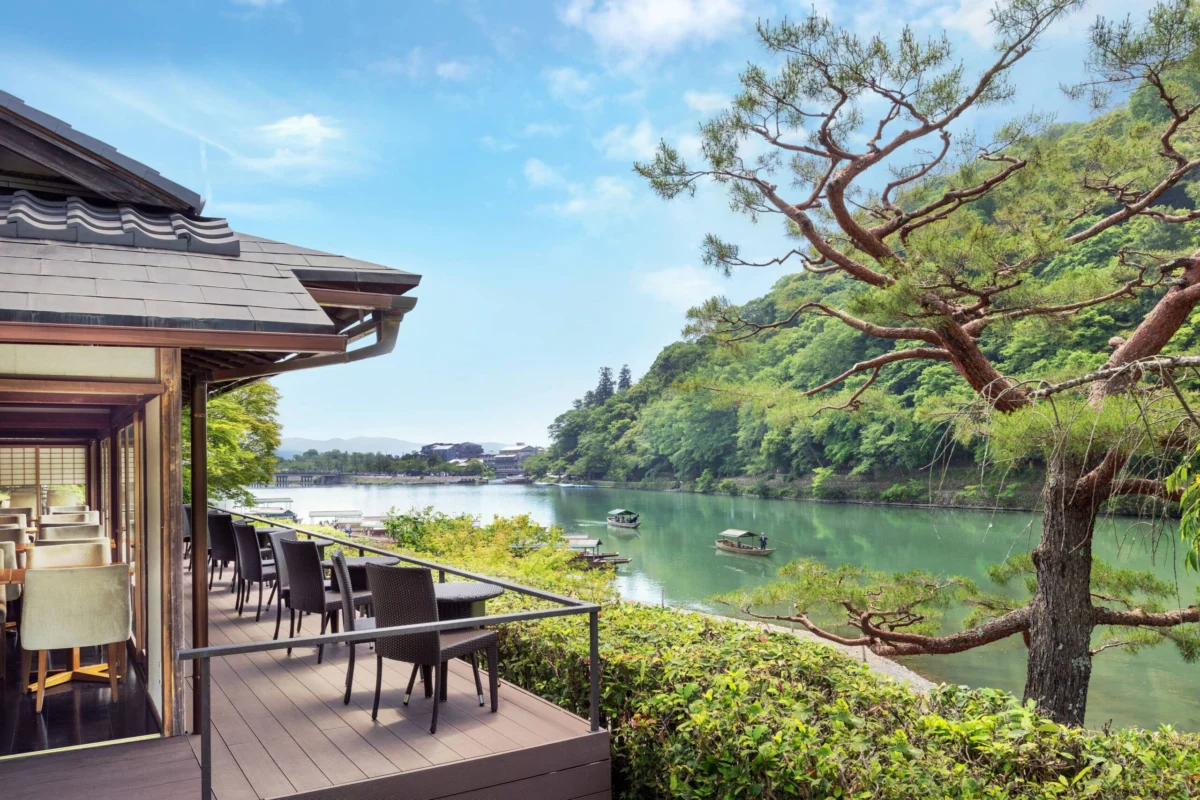
Kyoto, the former imperial capital of Japan for over a millennium, continues to serve as the nation’s preeminent cultural repository, balancing its storied past with a sophisticated trajectory toward modern innovation. Nestled within a basin surrounded by the lush Higashiyama, Kitayama, and Nishiyama mountain ranges, the city offers a landscape where ancient Shinto shrines and Buddhist temples coexist with the headquarters of global technology giants like Nintendo and Kyocera. This unique duality defines the Kyoto experience: a city deeply rooted in the traditions of the 8th century while simultaneously functioning as a laboratory for contemporary design and high-tech industry. As Japan’s tourism sector experiences a robust post-pandemic resurgence, Kyoto’s hospitality market is undergoing a significant metamorphosis, shifting from a reliance on traditional inns to a diverse ecosystem of international luxury brands, boutique design sanctuaries, and holistic wellness retreats.
The Post-Pandemic Tourism Landscape and the Challenge of Overtourism
Since Japan’s full reopening to international travelers in late 2022, Kyoto has faced a dramatic influx of visitors, reigniting debates regarding "kanko kogai" or tourism pollution. According to data from the Japan National Tourism Organization (JNTO), visitor arrivals in 2023 surpassed 25 million, with 2024 projections suggesting even higher figures. In Kyoto, this has resulted in record-breaking hotel occupancy rates, often exceeding 80% during peak seasons.
The surge has prompted municipal authorities to implement strategic measures to manage crowds and preserve the city’s quietude. In early 2024, the city government introduced restrictions on tourist access to certain private alleys in the Gion district to protect the privacy of geiko and maiko. Furthermore, there has been a concerted effort by the Kyoto Convention & Visitors Bureau to promote "off-the-beaten-path" destinations and off-peak travel. This context is essential for modern travelers; choosing the right hotel is no longer merely about luxury, but about selecting a base that allows for a sustainable and authentic engagement with the city’s heritage.
The Evolution of Kyoto’s Hospitality Sector: From Ryokans to Wellness Sanctuaries
Historically, the pinnacle of a Kyoto stay was the ryokan—a traditional inn characterized by tatami floors, futon bedding, communal onsen baths, and the meticulous service known as omotenashi. Iconic establishments like Tawaraya and Hiiragiya have hosted royalty and dignitaries for centuries, maintaining a rigid adherence to classical Japanese aesthetics.
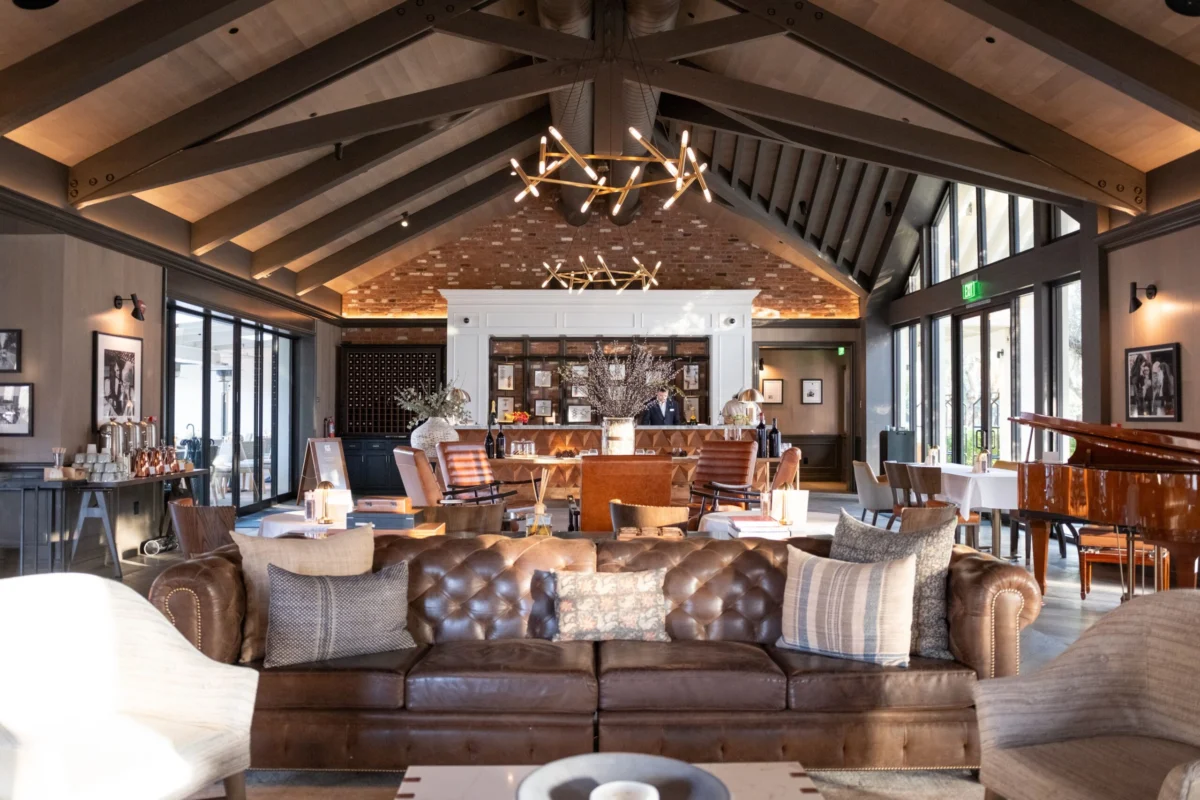
However, the last decade has seen a diversification of the market. The arrival of international luxury heavyweights has introduced a new standard of "globalized Zen." These properties often integrate traditional Japanese craftsmanship—such as shoji paper screens, hinoki cypress wood, and hand-woven textiles—with Western amenities and minimalist architecture.
A notable trend is the rise of the wellness sanctuary. These hotels move beyond simple spa services, offering holistic therapies, micro-seasonal cuisine based on kaiseki principles, and architectural designs intended to foster psychological tranquility. This shift reflects a broader global movement toward "slow travel," where the hotel itself becomes a destination for restorative health and cultural immersion.
Neighborhood Analysis: Navigating the Topography of Luxury
Kyoto’s geography dictates the character of its accommodations. Selecting a neighborhood is a strategic decision that influences a traveler’s proximity to historical sites and their exposure to tourist density.
Higashiyama: The Historical Epicenter
The eastern district of Higashiyama remains the most sought-after location due to its concentration of UNESCO World Heritage sites, including Kiyomizu-dera and Yasaka Shrine. The area is defined by preserved sloping streets like Sannenzaka and Ninenzaka. While it offers the most "classic" Kyoto atmosphere, it is also the area most susceptible to daytime crowding. High-end properties here, such as the Park Hyatt Kyoto and the Four Seasons, provide elevated vantage points that allow guests to observe the historic rooftops in relative seclusion.
Downtown: Kawaramachi, Shijo, and Karasuma
For travelers prioritizing accessibility, the downtown core offers a fusion of retail, dining, and transit links. This area serves as the city’s commercial engine, where modern department stores sit alongside the Nishiki Market. Hotels in this sector tend to be more contemporary and design-focused, catering to a demographic that values urban convenience and proximity to the Kamo River.
Central Kyoto: Nijo Castle and the Imperial Palace
The areas surrounding Nijo Castle and the Kyoto Imperial Palace (Gosho) offer a middle ground. They are centrally located but lack the intense foot traffic of Higashiyama or Downtown. This district has become a hub for "lifestyle" hotels and renovated machiya (traditional wooden townhouses) converted into boutique stays. It provides a more residential feel, allowing guests to experience the city’s "living" history.
The Northern Fringes: Takagamine and Arashiyama
For those seeking a "nature-soaked" experience, the northwestern edges of the city provide a stark contrast to the urban center. Takagamine, located at the foot of the mountains, has emerged as a luxury enclave with the opening of Aman Kyoto and Roku Kyoto. These properties utilize the natural forest canopy and thermal springs to create an isolated, resort-style atmosphere. Similarly, Arashiyama, famous for its bamboo groves and the Oi River, offers a scenic retreat, though it remains a major tourist draw during daylight hours.
Chronology of Modern Hospitality Development in Kyoto
The transformation of Kyoto’s hotel scene can be traced through several key milestones over the past decade:
- 2014: The opening of the Ritz-Carlton, Kyoto, signaled a new era of international ultra-luxury, blending modern hotel scales with traditional riverside architecture.
- 2016: The Four Seasons Hotel Kyoto opened in Higashiyama, featuring an 800-year-old ikeniwa (pond garden), demonstrating how large-scale developments could preserve historical landscapes.
- 2019: A landmark year for the city with the debut of Aman Kyoto, Park Hyatt Kyoto, and the Ace Hotel Kyoto (designed by Kengo Kuma). This period marked the peak of the pre-pandemic "luxury boom."
- 2021-2023: Despite the pandemic, development continued with a focus on wellness and sustainability, exemplified by the opening of Roku Kyoto and several boutique "biophilic" hotels.
- 2024 and Beyond: The focus has shifted toward the renovation of historic structures and the expansion of the "distributed hotel" concept, where guest rooms are scattered throughout a neighborhood to encourage local integration.
Data and Economic Context: The Shift to High-Value Tourism
The Kyoto City government’s "Kyoto Tourism Promotion Vision 2025" outlines a clear shift in economic strategy. Rather than focusing on increasing the volume of visitors, the city is prioritizing "high-value tourism." This involves attracting travelers who stay longer and spend more per capita, thereby generating higher tax revenue with a smaller environmental and social footprint.
Supporting data suggests that luxury travelers in Kyoto spend approximately five to seven times more than the average excursionist. This economic reality has fueled the pipeline of five-star developments. In 2023, the average daily rate (ADR) for luxury properties in Kyoto saw a 25% increase compared to 2019 levels, reflecting both inflation and the high demand for premium, secluded experiences.
Seasonal Fluctuations and Environmental Impact
The timing of a visit to Kyoto significantly impacts both the cost and the quality of the experience.
- Spring (Sakura Season): While iconic, the cherry blossom season (late March to early April) represents the peak of tourist density. Hotel prices frequently double or triple, and public transportation reaches maximum capacity.
- Autumn (Momiji Season): Many seasoned travelers and journalists argue that autumn (November) is the superior season. The stable weather and the vivid transformation of maple trees provide a backdrop that rivals the blossoms, though crowds remain significant.
- The "Green" Season: The weeks immediately following the cherry blossoms (May and June) are increasingly promoted as an ideal time to visit. The "fresh greenery" (shinryoku) is culturally celebrated in Japan, and hotel availability is generally better.
- Winter: December through February offers the quietest experience. While the weather is cold, onsen-focused ryokans provide a cozy, authentic atmosphere, and the city’s temples are often dusted with snow, offering rare photographic opportunities.
Official Responses and Expert Perspectives
Industry analysts suggest that Kyoto’s hospitality market is reaching a point of "sophisticated saturation." According to hospitality consultant Hiroshi Kawaguchi, "The challenge for Kyoto now is not adding more rooms, but ensuring that new developments contribute to the city’s cultural fabric rather than eroding it. We are seeing more hotels partner with local craft lineages—weavers, ceramicists, and gardeners—to provide guests with exclusive access to Kyoto’s ‘hidden’ culture."
Official statements from the Kyoto City Tourism Association emphasize the importance of "Mindful Tourism." This initiative encourages visitors to respect local customs, such as quiet behavior in residential areas and proper etiquette at shrines. Hotels are increasingly acting as intermediaries in this education, providing guests with guides on local "dos and don’ts."
Broader Impact and Implications
The evolution of Kyoto’s hotel industry serves as a blueprint for other historic cities globally grappling with the tension between economic growth and heritage preservation. By pivoting toward high-end, low-impact tourism, Kyoto is attempting to decouple economic success from sheer visitor volume.
For the traveler, this means that the "best" hotel in Kyoto is no longer defined solely by the thread count of its linens or the number of Michelin stars in its restaurant. Instead, the premier establishments are those that provide a bridge to the city’s soul—offering a sense of place that is unmistakably Kyoto. Whether through a morning meditation session with a Zen monk, a private viewing of a hidden garden, or a meal composed of vegetables grown in the city’s northern outskirts, the modern Kyoto hotel is an essential curator of the Japanese experience. As the city continues to innovate, it remains a testament to the idea that the most effective way to honor the past is to integrate it thoughtfully into the requirements of the future.