Ana Megawati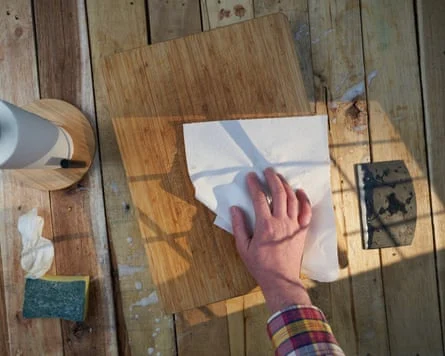
Your cutting board, an indispensable tool in any kitchen, could harbor more harmful bacteria than a typical toilet seat, a revelation that underscores the critical importance of proper kitchen hygiene. This startling comparison, highlighted by germ experts and microbiologists, places cutting boards among the most surprisingly filthy everyday household items, alongside notorious culprits like kitchen sponges and reusable water bottles. While the thought might trigger a moment of germaphobic panic, understanding the science behind this phenomenon and adopting diligent cleaning practices is paramount for safeguarding public health and preventing foodborne illnesses.
The Unseen Threat: Why Cutting Boards Harbor Bacteria
The assertion that a cutting board can be dirtier than a toilet seat is not hyperbole but a conclusion drawn from microbiological studies examining bacterial counts on various surfaces. Toilet seats, ironically, are often disinfected regularly due to their perceived unsanitariness, leading to relatively low bacterial levels. Conversely, cutting boards are frequently exposed to a cocktail of microorganisms from raw meats, poultry, fish, and unwashed produce. Knife incisions create microscopic grooves and fissures in the board’s surface, whether wood or plastic, providing ideal havens for bacteria to hide, multiply, and become difficult to dislodge through cursory washing.
Research by institutions such as the National Sanitation Foundation (NSF) has consistently identified kitchen surfaces, including cutting boards, as hotspots for various pathogens. These include well-known culprits like Salmonella and Escherichia coli (E. coli), which are frequently associated with raw meat and poultry. However, other dangerous bacteria such as Campylobacter, often found in raw poultry, and Listeria monocytogenes, which can contaminate a wide range of foods and is particularly dangerous for vulnerable populations, also pose significant risks. The presence of these pathogens can lead to severe gastrointestinal illnesses, including salmonellosis, E. coli infection (which can lead to hemolytic uremic syndrome in severe cases), campylobacteriosis, and listeriosis, with symptoms ranging from nausea, vomiting, and diarrhea to more life-threatening conditions. The insidious nature of these microbes lies in their invisibility; a cutting board may appear clean to the naked eye but still harbor millions of bacteria, making proper cleaning not just about aesthetics but about fundamental food safety.
A Brief History of Kitchen Hygiene and Material Science
The history of cutting boards reflects a continuous evolution driven by culinary needs and, increasingly, by an understanding of hygiene. For centuries, wood was the material of choice, valued for its durability, natural antimicrobial properties (in some species like maple), and gentle impact on knife edges. However, the rise of modern microbiology in the late 19th and 20th centuries began to shed light on the unseen world of bacteria, prompting concerns about porous wooden surfaces.
The mid-20th century saw the introduction and popularization of plastic cutting boards. Initially hailed as a more hygienic alternative due to their non-porous nature and ease of cleaning, plastic boards quickly became ubiquitous. Early studies debated the superiority of wood versus plastic, with some research suggesting that while plastic initially harbored fewer bacteria, heavily scarred plastic boards could retain more bacteria than well-maintained wooden ones. The consensus eventually shifted towards recognizing that any cutting board, regardless of material, can become a breeding ground for bacteria if not cleaned and maintained properly. The key factor is not just the material itself but its condition and the rigor of the cleaning regimen applied. Later innovations introduced materials like glass, composite, and stainless steel, each with its own set of advantages and disadvantages in terms of durability, knife friendliness, and ease of sanitation. The overarching theme across this evolution is the increasing scientific understanding that preventing cross-contamination and bacterial proliferation is paramount, regardless of the board’s composition.

Expert Guidance: Fundamental Cleaning Protocols
The good news, according to Dr. Keith R. Schneider, a University of Florida professor of food safety, is that effective cleaning doesn’t necessarily require specialized products. "Washing with soap and water is still a great option for most cleaning situations," he affirms. For routine cleanup after preparing fruits, vegetables, or bread, a thorough wash with standard dish soap and warm water is generally sufficient.
The process for handwashing any cutting board should be meticulous:
- Scrape off visible food debris: Use a spatula or knife edge to remove any large pieces of food.
- Rinse under warm water: Flush away loose particles.
- Apply dish soap: Use a generous amount of regular dish soap, such as Dawn or Palmolive.
- Scrub thoroughly: Employ a clean sponge or brush, paying special attention to any knife marks or textured areas where food particles and bacteria might accumulate. Scrub both sides and the edges.
- Rinse completely: Ensure all soap residue is removed, as lingering soap can attract bacteria or affect food flavors.
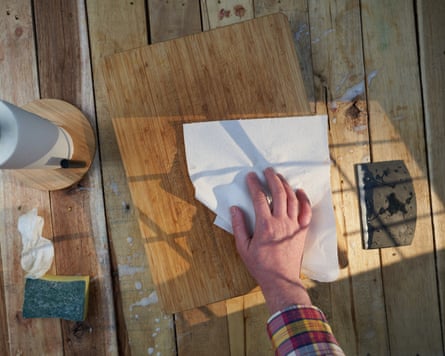
- Dry immediately and thoroughly: This is a crucial step often overlooked. After rinsing, use a clean cloth or paper towels to absorb as much moisture as possible. Food writer Marian Bull, known for her comprehensive reviews of kitchenware, recommends using highly absorbent flour sack towels for this purpose, favored by many professional chefs.
- Air dry completely: Store the board in an upright position, leaning against a wall or object, to allow for maximum airflow on all surfaces. This ensures that any remaining moisture evaporates, preventing bacteria and mold from thriving in damp conditions. Never store a damp cutting board flat or in an enclosed space.
A common misconception is that antibacterial soaps offer a significant advantage. Dr. Schneider clarifies, "Antibacterial soaps really don’t offer much additional advantage over regular soaps." The mechanical action of scrubbing combined with the surfactant properties of standard dish soap is highly effective at lifting and removing bacteria and food particles. The emphasis should be on the rigor of the cleaning process, not necessarily on a specialized antibacterial agent.
When to Sanitize: The Critical Role of Disinfection
While soap and water are adequate for many foods, certain high-risk scenarios demand a higher level of hygiene: sanitization. This is particularly crucial after a cutting board has come into contact with raw meat, poultry, or seafood, which are potent sources of harmful pathogens. In these instances, a simple wash may not be enough to eliminate all bacteria embedded in knife marks or pores.
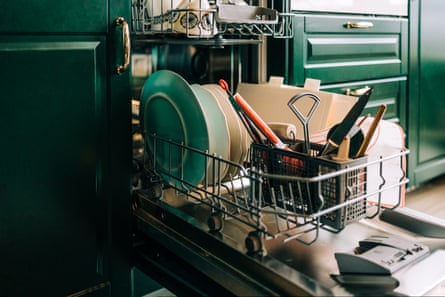
For cutting boards made of plastic, glass, composite materials, or stainless steel, the dishwasher offers an excellent solution for both cleaning and sanitizing. Placing these boards on the bottom rack exposes them to high-temperature water and detergent, effectively killing most bacteria. The intense heat of a dishwasher cycle provides a sanitizing effect that is difficult to replicate through handwashing alone.
For wooden cutting boards, which are not dishwasher safe, or for those who prefer to sanitize by hand, a bleach solution is recommended by food safety experts. Dr. Schneider advises:
- Prepare the solution: Dilute 1 tablespoon of unscented household bleach with 1 quart (approximately 1 liter) of water. It is vital to use unscented bleach to avoid transferring chemical odors or residues to food.
- Apply liberally: Pour or spray the solution generously over the entire surface of the cutting board, ensuring full coverage.
- Allow dwell time: Let the bleach solution sit on the board for five to ten minutes. This contact time is essential for the bleach to effectively disinfect the surface and kill pathogens.
- Rinse thoroughly: After the dwell time, rinse the board meticulously under running water to remove all traces of bleach.
- Air dry: As with routine cleaning, dry the board thoroughly by allowing it to air dry in an upright position to prevent moisture accumulation.
This bleach solution is a highly effective, cost-efficient method to ensure your cutting board is safe for subsequent use, especially after handling potentially contaminated foods.
Maintaining Longevity and Ensuring Safety for Different Board Types
The material of your cutting board dictates its cleaning and maintenance requirements, directly impacting its lifespan and hygienic safety.
-
Wooden Cutting Boards: These natural beauties require specific care. As previously mentioned, they are strictly not dishwasher safe. The prolonged exposure to high heat and moisture in a dishwasher can cause wood to warp, crack, and split, creating deep crevices where bacteria can hide and flourish, making the board unsafe. To extend the life of a wooden board and maintain its hygienic properties, regular oiling is crucial. After washing and drying thoroughly (often best left overnight to fully dry), apply a food-grade mineral oil. Marian Bull, whose John Boos maple board has lasted nearly a decade, attests to the effectiveness of this practice. The oil penetrates the wood, conditioning it, preventing drying and cracking, and creating a barrier against moisture and bacteria. For added protection, a "board butter" (a mix of mineral oil and beeswax) can be applied monthly, further sealing the wood and enhancing its resilience. Properly cared for, a quality wooden board can indeed last for years, if not decades.
-
Plastic, Glass, Composite, and Stainless Steel Cutting Boards: These materials offer different advantages. Plastic boards are often lightweight and inexpensive, while composite and stainless steel options are highly durable and non-porous. Glass boards, while easy to clean and aesthetically pleasing, are generally not recommended by culinary experts due to their tendency to dull knife blades quickly. The primary advantage of plastic, composite, and stainless steel boards is their dishwasher compatibility, simplifying sanitization. However, plastic boards are prone to deep knife scarring over time, which, unlike wood that can "self-heal" to some extent or be sanded, makes them increasingly difficult to clean and sanitize effectively. Composite and stainless steel tend to be more resistant to deep scoring.
Identifying the End of a Board’s Lifespan
Even with diligent care, all cutting boards eventually reach a point where they are no longer safe for use and must be replaced. While minor knife marks are inevitable and generally not a cause for concern, certain signs indicate that your cutting board has become a health hazard.
Key indicators for replacement include:
- Deep Grooves and Gaps: If the cutting surface has developed deep, irreparable knife grooves, scratches, or gaps that cannot be reasonably sanded down (for wood) or thoroughly scrubbed clean (for plastic), it’s time for a new board. These crevices become impenetrable sanctuaries for bacteria, making effective cleaning impossible.
- Severe Warping or Cracks: Warping, particularly common in wooden boards exposed to excessive moisture or heat, creates uneven surfaces and internal stresses that lead to cracks. Cracks, like deep grooves, are perfect hiding spots for microbes.
- Lingering Odors or Stains: Persistent, unpleasant odors that remain after thorough washing and sanitizing, or deep, unsightly stains that cannot be removed, can signal bacterial growth or deep food residue impregnation. These are often indications that the board’s integrity has been compromised.
Dr. Schneider provides a crucial warning: "You can’t see bacteria, thus you really can’t tell just by looking at a cutting board if it’s safe or not." He emphasizes, "A heavily damaged cutting board, whether wood or plastic, should be replaced. Those cracks are places microbes can hide." The presence of visible damage dramatically increases the risk of cross-contamination and foodborne illness. Rather than risking your health, replacing a compromised cutting board is a simple and essential step in maintaining a safe kitchen environment.
Broader Implications for Public Health and Consumer Awareness
The seemingly mundane act of cleaning a cutting board has significant broader implications for public health. Foodborne illnesses are a substantial global health burden, leading to millions of cases of illness, hospitalizations, and deaths each year. Many of these illnesses originate in home kitchens due to improper food handling and hygiene practices. Public health organizations, such as the Centers for Disease Control and Prevention (CDC) and the U.S. Department of Agriculture (USDA), consistently issue guidelines emphasizing safe food preparation, including the critical role of clean surfaces and preventing cross-contamination.
Increased consumer awareness about cutting board hygiene can directly translate into a reduction in foodborne disease incidence. By understanding the risks, knowing how to clean and sanitize effectively, and recognizing when a board needs replacement, individuals become active participants in their household’s food safety chain. This knowledge empowers consumers to make informed choices about the types of cutting boards they purchase, the cleaning products they use, and the habits they adopt in the kitchen, fostering a safer and healthier culinary environment for everyone.
In conclusion, the humble cutting board, a silent workhorse in our kitchens, demands more attention than it often receives. Far from being a mere surface for chopping, it is a critical interface where food safety can either be upheld or compromised. Adopting diligent cleaning, sanitizing, and maintenance practices, guided by expert advice, is not just about keeping things tidy; it is a fundamental act of protecting health, ensuring that the meals we prepare are not only delicious but also safe from unseen threats.