Ronny Sianturi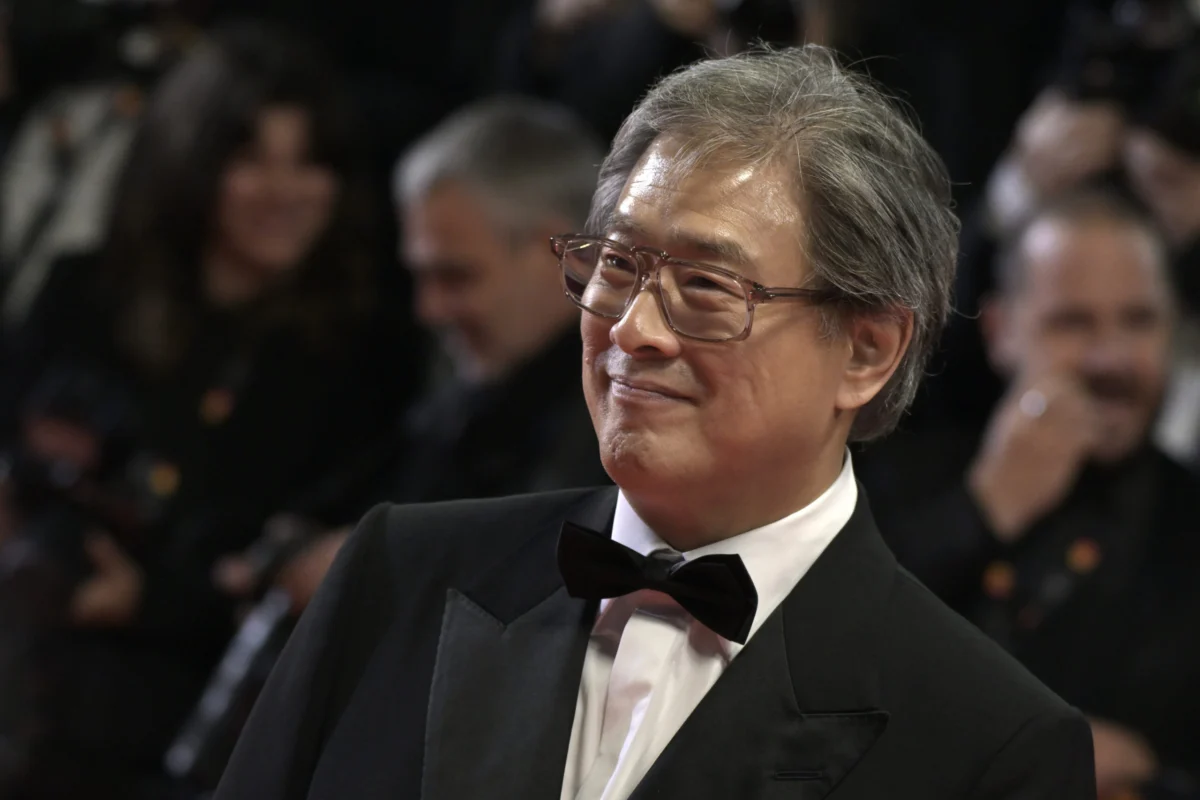
The hallowed Grand Théâtre Lumière in Cannes was abuzz with anticipation as the closing ceremony of the 79th annual Cannes Film Festival commenced, marking the culmination of nearly two weeks of cinematic celebration and fierce competition. The evening was dedicated to honoring the year’s most outstanding achievements in filmmaking, with the coveted Palme d’Or, the festival’s highest honor, leading a slate of prestigious awards to be unveiled by the esteemed jury. Film enthusiasts worldwide tuned in to witness the crowning moments of this iconic event.
For those unable to attend the glamorous affair in person, live broadcasts offered a front-row seat to the proceedings. The ceremony was streamed globally via TikTok Brut, a testament to the festival’s evolving reach and engagement with digital platforms. Within France, viewers had the option of tuning into the public channel France 2, ensuring widespread access to this significant cultural event.
The Jury: A Global Assembly of Cinematic Acumen
Presiding over the critical deliberations and ultimately tasked with bestowing the festival’s top honors was a jury comprised of distinguished figures from the international film community. Leading the panel was the acclaimed South Korean director Park Chan-wook, a filmmaker renowned for his visually striking and thematically rich works. His expertise was joined by that of screenwriter Paul Laverty, whose impactful narratives have garnered widespread critical acclaim. The jury also featured the visionary talents of directors Laura Wandel, Diego Céspedes, and Chloé Zhao, the latter being a recent Academy Award winner for her directorial prowess. Adding to the ensemble’s formidable experience were celebrated actors Demi Moore and Ruth Negga, the versatile Isaach de Bankolé, and the seasoned Stellan Skarsgård. This diverse group represented a broad spectrum of cinematic perspectives, promising a thoughtful and comprehensive evaluation of the competing films.
A Night of Glamour and Tributes
The evening’s proceedings were expertly guided by French actress Eye Haïdara, who served as the charismatic host. The presentation of awards was elevated by the presence of a constellation of stars, including esteemed actors Geena Davis, Pierfrancesco Favino, Gael García Bernal, and Zoë Saldaña. Directors Xavier Dolan and Nadine Labaki also took to the stage as presenters. A particularly poignant moment of the ceremony was the presentation of the Palme d’Or itself, which was entrusted to the capable hands of Scottish Oscar-winning actress Tilda Swinton, a celebrated artist with a deep appreciation for cinematic excellence.
The festival’s opening night also set a tone of respect and admiration for cinematic legends. This year’s event commenced with the bestowal of an honorary Palme d’Or, a lifetime achievement award, upon the incomparable EGOT winner Barbra Streisand. While Streisand was unable to attend the ceremony in person due to a knee injury, her indelible contributions to film, music, and theater were eloquently celebrated. Legendary French actress Isabelle Huppert delivered a heartfelt tribute, highlighting Streisand’s multifaceted career and enduring impact on the cultural landscape. This gesture underscored Cannes’ tradition of recognizing artists who have shaped the art of storytelling across generations.
Cannes as an Awards Season Bellwether
The Cannes Film Festival has long been recognized not only for its presentation of groundbreaking cinema but also as a significant predictor of success in subsequent awards seasons, particularly the Academy Awards. The films that garner accolades on the Croisette often go on to capture the attention of Oscar voters. Last year’s festival provided a compelling example of this trend. Winners such as Jafar Panahi’s It Was Just an Accident, Joachim Trier’s Sentimental Value, Kleber Mendonça Filho’s The Secret Agent, and Oliver Laxe’s Sirat all secured Academy Award nominations. Notably, Sentimental Value went on to win the Oscar for Best International Feature Film, demonstrating the profound influence of Cannes on the global awards circuit. This established connection imbues the jury’s decisions with an added layer of significance, as they not only celebrate artistic merit but also potentially shape the narrative of the upcoming awards season.
The Palme d’Or Race: A Landscape of Contenders
Entering the final evening, the race for the Palme d’Or remained intriguingly open, with no single film emerging as an undisputed frontrunner. Industry pundits had frequently pointed to Minotaur, the highly anticipated return of Russian director Andrey Zvyagintsev, as a strong contender. Zvyagintsev’s previous works have consistently garnered critical acclaim and awards, making his latest offering a film to watch.
However, the competition was robust, with several other films generating significant buzz. Calvo and Ambrossi’s Spanish musical drama La Bola Negra (The Black Ball) captivated audiences and critics alike. The film, described as a queer epic and featuring Penelope Cruz and Glenn Close, received rave reviews and an impressive 20-minute standing ovation following its premiere, signaling its powerful impact.
Another film generating considerable discussion was Lukas Dhont’s World War I drama Coward. Dhont, the director behind the critically acclaimed Close, brought his signature emotional depth and visual artistry to this historical narrative, positioning it as a strong contender for prestigious awards.
Emmanuel Marre’s French wartime drama A Man of His Time also garnered attention. Starring Swann Arlaud, known for his role in Anatomy of a Fall, the film delves into the life of a writer in Vichy France, offering a potentially poignant and historically resonant exploration of a complex period.
The Neon Factor: A Remarkable Streak Continues?
A significant narrative thread woven through this year’s festival was the remarkable success of the independent film distributor Neon, which has demonstrated an uncanny ability to select Palme d’Or winners. Going into the 79th edition, Neon had successfully backed the last six Cannes champions, a streak that industry observers were keenly watching. This year, Neon arrived with a slate of six films, all acquired prior to the festival, representing a diverse range of genres and directorial voices.
Among Neon’s hopefuls were Na Hong-jin’s South Korean monster movie Hope, a film that has garnered significant anticipation. James Gray’s star-studded Paper Tiger, featuring Scarlett Johansson and Adam Driver, promised a compelling cinematic experience. Koreeda Hirokazu, a master of nuanced family dramas, presented his AI-inspired film Sheep In The Box. Arthur Harari’s psychological fantasy The Unknown, starring Léa Seydoux, added another layer of intrigue to Neon’s offerings.
Furthermore, Neon’s portfolio included All of a Sudden, a nursing-home drama from Ryusuke Hamaguchi, the visionary director of Drive My Car. Rounding out their selection was Cristian Mungiu’s English-language debut, Fjord, starring Renate Reinsve and Sebastian Stan, a film that marked a significant new direction for the acclaimed Romanian director. The success of these films would not only solidify Neon’s reputation but also continue their extraordinary winning streak at Cannes.
The Un Certain Regard and Beyond
While the Palme d’Or garners the most attention, the Cannes Film Festival also recognizes excellence across other prestigious sections. The Un Certain Regard strand, which often highlights emerging talent and more unconventional cinematic visions, also saw its winners announced. Sandra Wollner’s Everytime took home the prize for Best Film in this section. Elephants in the Fog by Abinash Bikram Shah, marking his directorial debut, was honored with the Un Certain Regard Jury Prize. Louis Clichy’s Iron Boy received the Un Certain Regard Special Jury Prize. The acting accolades in this section went to Bradley Fiomona Dembeasset for his role in Congo Boy (Best Actor) and to Marina de Tavira, Daniela Marín Navarro, and Mariangel Villegas for their collective performance in Siempre Soy Tu Animal Materno (Best Actress). These awards underscore Cannes’ commitment to nurturing and celebrating a broad spectrum of cinematic artistry.
The 79th Cannes Film Festival, with its blend of established masters and emerging voices, its celebration of cinematic history, and its keen eye for future award contenders, once again reaffirmed its position as a paramount event in the global film calendar. The closing ceremony, a glittering conclusion to a fortnight of intense artistic exchange, served as a powerful reminder of the enduring magic and transformative power of cinema. As the lights dimmed on the Grand Théâtre Lumière, the industry turned its gaze towards the films that had captured the hearts and minds of the jury, anticipating their impact on the wider cinematic landscape in the months and years to come.
The Full List of Winners:
- Palme d’Or:
- Grand Prix:
- Jury Prize:
- Best Director:
- Best Screenplay:
- Best Actress:
- Best Actor:
- Special Prize:
- Camera d’Or for Best First Film:
- Palme d’Or for Best Short Film:
- Un Certain Regard Prize for Best Film: Everytime, Sandra Wollner
- Un Certain Regard Jury Prize: Elephants in the Fog, Abinash Bikram Shah (first film)
- Un Certain Regard Special Jury Prize: Iron Boy, Louis Clichy
- Un Certain Regard Best Actor: Bradley Fiomona Dembeasset, Congo Boy, dir. Rafiki Fariala
- Un Certain Regard Best Actress: Marina de Tavira, Daniela Marín Navarro, Mariangel Villegas, Siempre Soy Tu Animal Materno, dir. Valentina Maurel