Kang Muslim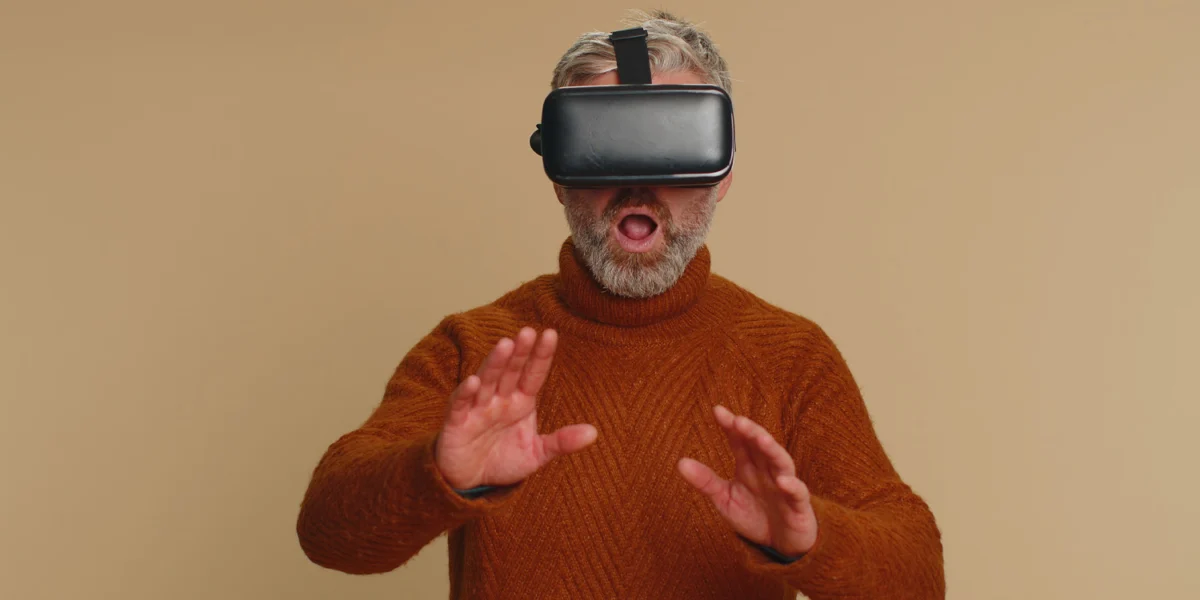
The Silent Phase of Neurodegeneration
Alzheimer’s disease is notorious for its long, silent progression. Pathological changes, including the accumulation of amyloid-beta plaques and tau tangles, can begin in the brain 15 to 20 years before a patient or their family notices the first signs of forgetfulness. Historically, the medical field has relied on memory tests to diagnose the condition. However, by the time a patient fails a standard memory exam, significant and often permanent neuronal loss has already occurred.
Recent neurological research has shifted the spotlight from memory to spatial navigation. The areas of the brain responsible for orienting oneself in space—specifically the entorhinal cortex and the parahippocampal gyrus—are among the first to undergo atrophy in the Alzheimer’s continuum. These regions act as the brain’s internal Global Positioning System (GPS). When these cells begin to die, the brain’s ability to calculate distance, direction, and position begins to falter. The study led by Kazuya Kawabata and Sayuri Shima at Fujita Health University, in collaboration with Hirohisa Watanabe and a multidisciplinary team, sought to determine if these subtle navigation errors could serve as a "digital biomarker" for future brain health.
The Science of Path Integration
The core focus of the Japanese research team was a specific cognitive function known as "path integration." Unlike landmark-based navigation, which relies on visual cues like a tall building or a specific street sign, path integration is an egocentric process. it is the brain’s ability to use internal signals—derived from movement, balance (the vestibular system), and visual flow—to track one’s position relative to a starting point.
A common real-world example of path integration is navigating one’s home in total darkness. To walk from a bedroom to a kitchen without sight, the brain must calculate how many steps have been taken and how many degrees the body has rotated. This requires the seamless integration of sensory feedback and spatial memory. When the neural networks supporting these calculations degrade, the "internal map" becomes distorted, leading to navigational errors that may be too subtle for the individual to notice in daily life but are glaringly obvious under controlled testing conditions.
Methodology: The Virtual Arena and Longitudinal Monitoring
The study involved 71 participants, all of whom were classified as "cognitively unimpaired" adults. At the start of the study, none of the participants showed signs of dementia or significant memory impairment. The methodology was designed to be rigorous, combining behavioral testing, advanced neuroimaging, and blood-based biomarker analysis.
Upon enrollment, participants underwent a baseline Magnetic Resonance Imaging (MRI) scan to measure the initial thickness and volume of various brain regions. They also provided blood samples to check for specific proteins associated with Alzheimer’s. Following these clinical tests, the participants engaged in a VR navigation task.
The VR environment was intentionally sparse—a featureless circular arena 20 meters in diameter. By removing landmarks, the researchers forced the participants to rely entirely on path integration. Wearing a VR headset, participants used a hand-held controller to move forward and a swivel chair to physically rotate. The task was simple yet demanding: navigate to two sequential checkpoints marked by colored flags. Once the second flag was reached, all visual markers disappeared. The participant was then tasked with returning to the exact spot where they began.
The researchers recorded two primary metrics:
- Path Integration Error: The linear distance between the participant’s final stop and the actual starting point.
- Angular Error: The degree of deviation in the participant’s rotational heading compared to the correct path.
Linking Behavioral Errors to Cortical Thinning
One year after the initial VR test, the participants returned for a follow-up MRI. The results revealed a striking correlation. Those who had performed poorly on the VR task a year prior—specifically those with high path integration and angular errors—showed a significantly faster rate of brain shrinkage over the 12-month interval.
The atrophy was not random. It was concentrated in the parahippocampal gyrus and the posterior cingulate cortex (PCC). The parahippocampal gyrus is essential for spatial memory and the encoding of new environments. The posterior cingulate cortex serves as a critical communication hub in the brain, linking memory, emotion, and spatial orientation. It is part of the "Default Mode Network," a system that is famously vulnerable to early Alzheimer’s pathology.
The study found that angular errors were particularly telling. While some navigation skills can decline naturally with age, the researchers noted that angular errors in this study did not correlate strongly with the chronological age of the participants. This suggests that a failure in rotational orientation is a specific indicator of disease-related neurodegeneration rather than a standard byproduct of getting older.
The Molecular Connection: Tau and GFAP
To further validate the findings, the team analyzed the baseline blood samples for two key biomarkers: p-tau (phosphorylated tau) and GFAP (glial fibrillary acidic protein).
- P-tau: This protein is a hallmark of Alzheimer’s. When it malfunctions, it forms tangles that choke neurons from the inside.
- GFAP: This is a marker of "gliosis" or brain inflammation. When brain cells are under stress or dying, glial cells (the brain’s support system) release GFAP into the bloodstream.
The data showed that participants with the highest navigation errors also possessed higher levels of these proteins in their blood at the start of the study. This creates a powerful tripartite link: poor VR performance correlates with high blood biomarkers, which in turn predicts future physical brain shrinkage. Dr. Kawabata noted that VR-based path integration performance captures "both molecular and structural signatures" that emerge long before a patient would ever fail a traditional memory test.
Chronology and Timeline of the Research
The investigation followed a structured timeline to ensure the reliability of the longitudinal data:
- Phase 1 (Baseline): Recruitment of 71 cognitively healthy Japanese adults. Collection of baseline MRI data, blood samples, and VR navigation metrics.
- Phase 2 (Monitoring): A 12-month interval during which participants continued their normal lives without intervention.
- Phase 3 (Follow-up): Secondary MRI scans were conducted exactly one year after the baseline. Data was then processed using automated software to measure changes in cortical thickness.
- Phase 4 (Analysis): Comparison of VR performance against the rate of cortical thinning and biomarker levels.
Implications for the Future of Healthcare
The implications of this study are profound for the future of geriatric care and neurology. Currently, diagnosing Alzheimer’s early requires expensive and invasive procedures, such as Positron Emission Tomography (PET) scans or lumbar punctures to collect cerebrospinal fluid. These are not feasible for routine screening of the general population.
A VR-based test, however, is non-invasive, relatively inexpensive, and could be administered in a primary care setting. If these findings are scaled, a 15-minute VR "game" could become a standard part of an annual check-up for adults over the age of 60. By identifying those at high risk of rapid cortical decline, physicians could enroll patients in clinical trials or start lifestyle interventions (such as diet, exercise, and cognitive training) much earlier, potentially delaying the onset of severe symptoms.
Furthermore, this research provides a tool for "stratifying" patients in clinical trials. Pharmaceutical companies often struggle to find participants who are in the very earliest stages of the disease. VR testing could identify the ideal candidates for new drugs designed to stop brain shrinkage before it starts.
Limitations and Future Directions
Despite the promising results, the researchers have urged caution regarding the study’s current scope. One notable limitation is the "vestibular-proprioceptive mismatch." Because participants rotated in a chair but did not actually walk, the brain did not receive the full suite of physical sensations (like the movement of leg muscles) that it usually uses for path integration. Future iterations of the test may utilize omnidirectional treadmills to more accurately simulate real-world movement.
Additionally, the study was conducted on a relatively small cohort of 71 individuals, all of whom were Japanese. Spatial navigation strategies can be influenced by cultural factors, urban design (living in a grid-based city versus a winding rural area), and educational background. To make this a global diagnostic tool, the research must be replicated across diverse populations and larger sample sizes.
Conclusion: A Shift Toward Preclinical Intervention
The work of Dr. Kawabata and his colleagues marks a significant step toward a proactive rather than reactive approach to brain health. By proving that a behavioral "stress test" for the brain’s navigation centers can predict physical decay, the study opens the door to a new era of preventive neurology.
As Dr. Kawabata concluded, this approach may allow for the identification of neurodegenerative risks at the preclinical stage, potentially enabling timely therapeutic interventions. The ultimate goal is not just to diagnose Alzheimer’s, but to delay its progression so significantly that the individual can maintain their cognitive function and quality of life for their entire natural lifespan. The virtual world, it seems, has provided a vital map for navigating the complexities of the human brain.