Nila Kartika Wati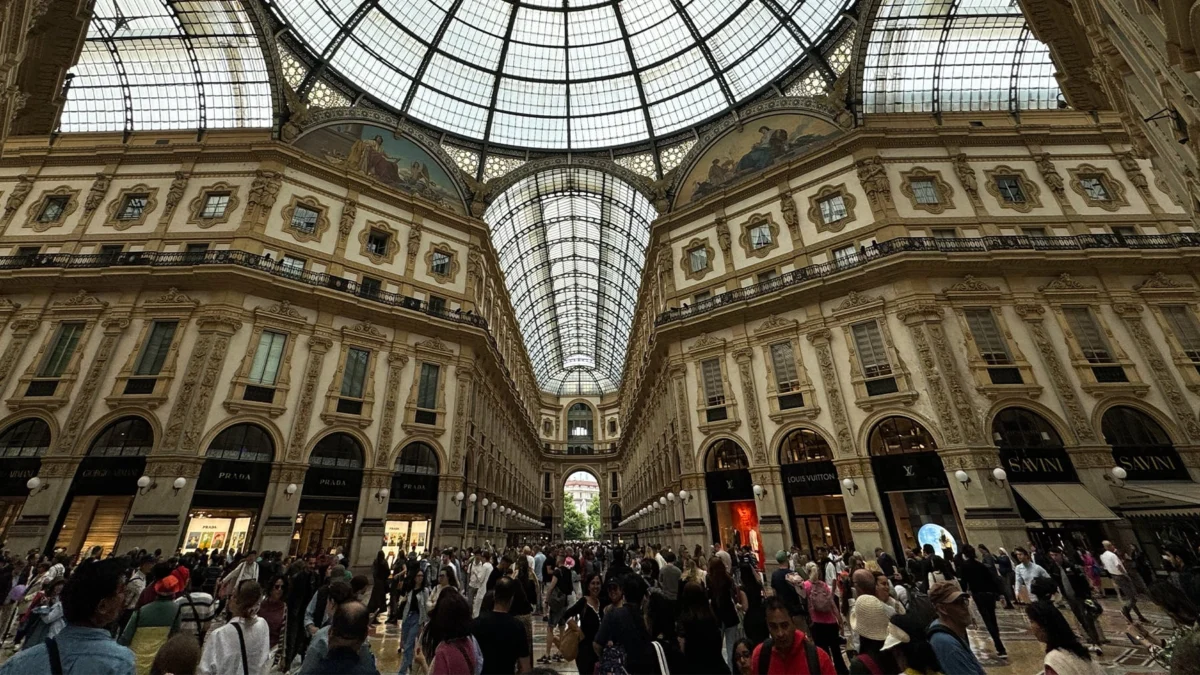
The global fashion industry is witnessing a significant recalibration, with luxury brands strategically fortifying their elevated positioning by embracing specificity, cultivating scarcity, and asserting cultural authority. This trend emerges as a direct response to the increasing "premiumization" of mass-market and even mid-tier brands, which are actively pushing their offerings upmarket. In this evolving retail environment, true luxury is no longer defined solely by price point or perceived exclusivity, but by a more nuanced and deeply resonant connection with consumers.
The Shifting Tides of Premiumization
For years, the fashion landscape has been characterized by a discernible hierarchy of price points and perceived quality. However, in recent seasons, a notable trend has emerged: brands traditionally positioned in the mass-market and premium segments have begun to strategically elevate their product offerings, marketing, and price points. This "premiumization" strategy aims to capture a segment of consumers who may have previously aspired to luxury but found it out of reach, or who are seeking a perceived step-up in quality and brand cachet without fully committing to high luxury price tags.
This upmarket push by non-luxury brands has inadvertently created a void and a challenge for established luxury houses. If more brands are offering aesthetically pleasing, well-made products at increasingly accessible "premium" price points, what then becomes the unique selling proposition of true luxury? The answer, according to industry analysts and brand strategists, lies in a deliberate pivot towards a more defined and distinctive approach to brand identity and consumer engagement.
The Pillars of Modern Luxury: Specificity, Scarcity, and Cultural Authority
Luxury brands are no longer content with simply offering high-quality goods. Instead, they are meticulously honing in on specific elements that resonate with a discerning clientele and create an undeniable aura of exclusivity and desirability.
Embracing Specificity: The Power of Niche and Expertise
One of the key strategies luxury brands are employing is an intensified focus on specificity. This translates into several avenues:
- Hyper-specialized Product Categories: Instead of broadly appealing collections, brands are delving deeper into specific product categories, mastering them to an unparalleled degree. This might mean a heritage leather goods house focusing on artisanal bag craftsmanship, a haute couture atelier emphasizing bespoke tailoring, or a jewelry brand dedicated to rare gemstones and intricate settings. This laser focus allows them to become the undisputed authority in their chosen domain.
- Uncompromising Quality and Craftsmanship: The emphasis on specific artisanal techniques, rare materials, and meticulous attention to detail becomes a core tenet. This is not merely about good quality; it’s about showcasing mastery that is difficult to replicate and expensive to achieve, thus justifying the premium. For example, a brand might highlight its proprietary dyeing process for silk, its centuries-old leather tanning methods, or its exclusive partnerships with ethical gemstone mines.
- Authentic Heritage and Storytelling: Luxury brands are leveraging their rich histories and unique narratives. The specificity of their origins, their founding principles, and the evolution of their iconic designs become powerful storytelling tools. This creates an emotional connection with consumers who seek not just a product, but a piece of history and a legacy.
Cultivating Scarcity: The Allure of the Exclusive
In an era of mass production and instant gratification, scarcity has become a potent driver of desire. Luxury brands are strategically employing scarcity in various forms:
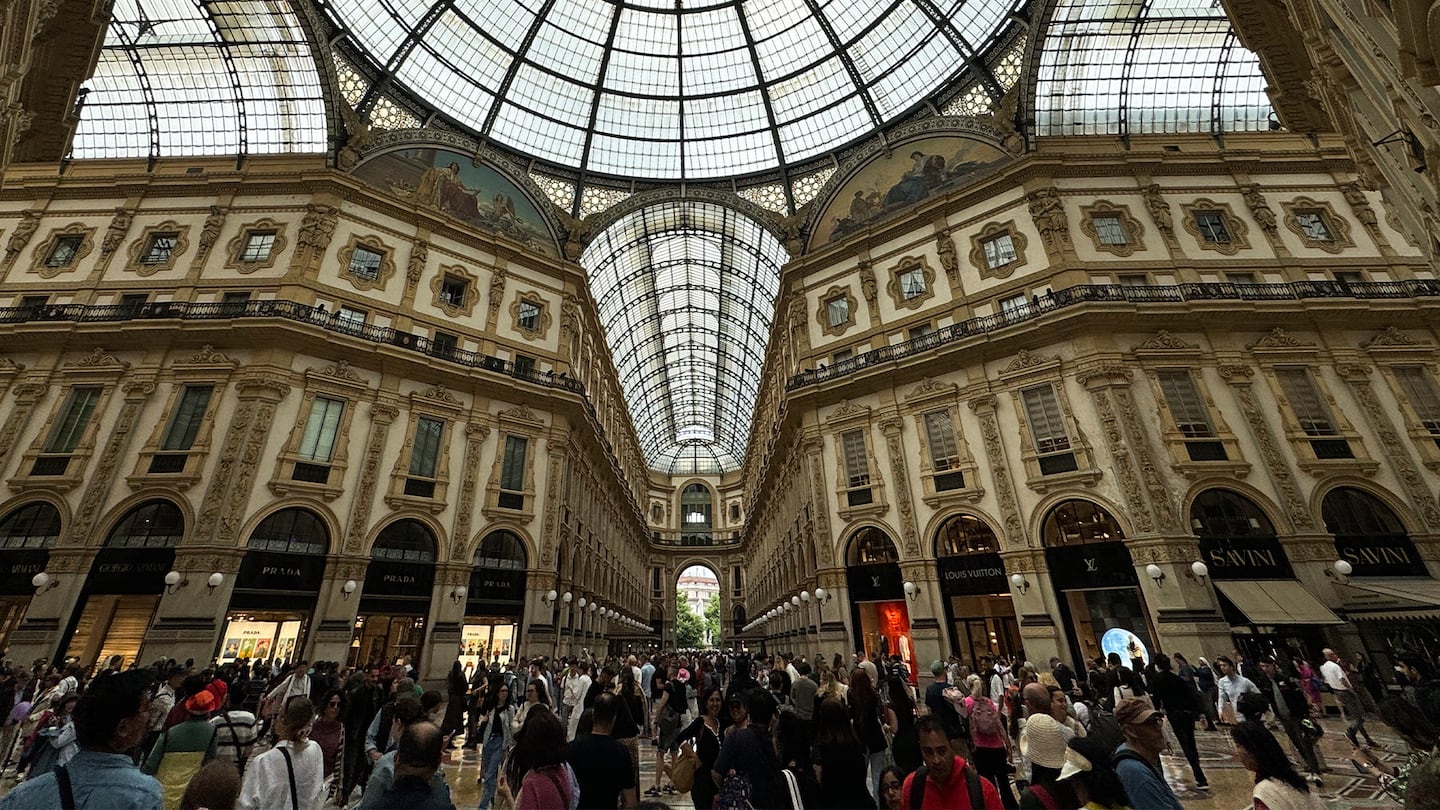
- Limited Editions and Capsule Collections: The deliberate creation of limited-run items, often in collaboration with artists or designers, generates a sense of urgency and exclusivity. These pieces become collector’s items, sought after not just for their aesthetic appeal but for their inherent rarity.
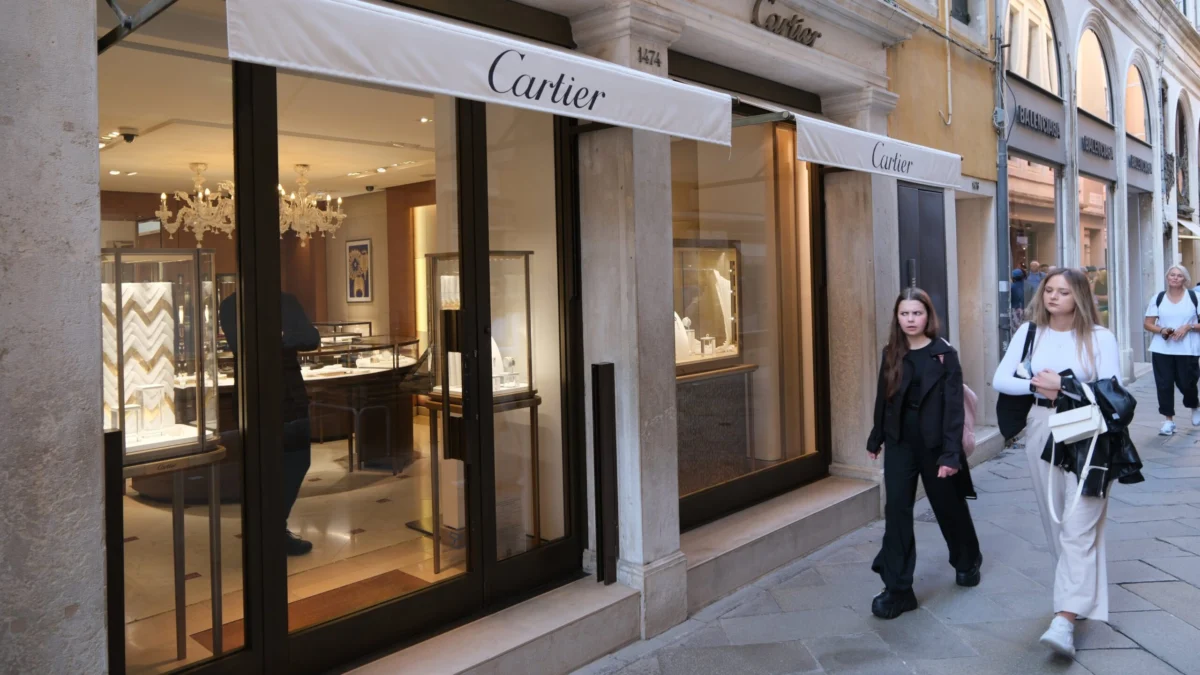
- Controlled Distribution and Access: Luxury brands are increasingly curating their distribution channels, favoring exclusive boutiques, carefully selected online retailers, and direct-to-consumer channels. This control over where and how their products are available reinforces their elite status. Pop-up shops in unexpected or exclusive locations also contribute to this sense of fleeting opportunity.
- Made-to-Order and Bespoke Services: The ultimate form of scarcity is the ability to offer truly bespoke or made-to-order items. This signifies a level of personalized service and individual craftsmanship that is inherently limited by time and human expertise. The waiting lists for such services further underscore their desirability.
- Strategic Pricing as a Barrier: While not always the primary driver, pricing itself can act as a form of scarcity. By setting prices at a level that is aspirational for many, brands ensure that their products remain accessible only to a select group, thereby maintaining their perceived value and exclusivity.
Asserting Cultural Authority: Beyond Product
True luxury extends beyond the tangible product. It involves shaping culture, setting trends, and influencing taste. Luxury brands are increasingly asserting their cultural authority through:
- Investing in Art and Culture: Many luxury houses are becoming patrons of the arts, sponsoring exhibitions, supporting emerging artists, and even establishing their own cultural foundations. This positions them as tastemakers and arbitrators of cultural significance, aligning their brands with prestige and intellectual capital.
- Curating Experiences: Beyond retail, luxury brands are offering exclusive experiences that immerse consumers in their world. This can range from private events, fashion shows in iconic locations, artisanal workshops, to meticulously designed flagship stores that function as cultural hubs.
- Championing Values and Social Impact: Increasingly, consumers, particularly younger generations, want to align themselves with brands that reflect their values. Luxury brands are responding by taking stances on social and environmental issues, investing in sustainability, and promoting ethical practices. This builds a deeper connection and a sense of shared purpose.
- Influencing Media and Discourse: Through strategic collaborations, curated content, and thought leadership, luxury brands are actively shaping the fashion narrative. They are not just reacting to trends; they are setting them and influencing the broader cultural conversation.
Supporting Data and Industry Trends
The shift towards these defining pillars of luxury is not merely anecdotal. Several industry indicators support this evolution:
- Growth in the Ultra-Luxury Segment: Reports from consulting firms like Bain & Company and Deloitte consistently show robust growth in the ultra-luxury segment, characterized by high price points and exclusive offerings. This segment often thrives on the very principles of scarcity and bespoke craftsmanship. For instance, the global luxury market was projected to grow between 5% and 7% in 2023, with the personal luxury goods segment reaching an estimated €362 billion (approximately $395 billion) in 2023, according to Bain & Company’s Luxury Study, in collaboration with Altagamma. This growth is increasingly driven by the desire for unique and meaningful purchases.
- Increased Demand for Artisanal and Limited Editions: Online luxury retailers and auction houses report a surge in demand for limited-edition items and pieces showcasing exceptional craftsmanship. The resale market for such items often sees significant appreciation, further validating their inherent value.
- Brand Investments in Experiential Retail: Major luxury brands are re-imagining their retail spaces, transforming them from mere points of sale into immersive brand experiences. Flagship stores in key global cities are increasingly designed to house art installations, host exclusive events, and offer personalized consultations, reflecting the desire for more than just a transaction.
- Focus on Sustainability as a Differentiator: A recent study by McKinsey & Company found that a significant percentage of luxury consumers are willing to pay a premium for sustainable products. Brands that authentically integrate sustainable practices into their core operations and storytelling are finding a receptive audience.
Chronology of the Trend
While the concept of luxury has always encompassed elements of exclusivity and quality, the current emphasis on specificity, scarcity, and cultural authority has intensified over the past decade.
- Early 2010s: Brands began experimenting with more accessible "diffusion" lines and collaborations with streetwear brands to broaden their appeal. This period saw the initial blurring of lines between different market segments.
- Mid-2010s: The rise of social media democratized access to fashion imagery, leading to increased consumer awareness and aspiration across all price points. This also prompted some brands to consider how to differentiate themselves more clearly.
- Late 2010s to Early 2020s: The phenomenon of "premiumization" became more pronounced. Mass-market retailers and premium brands started offering higher-quality materials, more sophisticated designs, and aspirational marketing. This created a clear need for luxury brands to redefine their unique value proposition.
- Present Day: The current strategy of emphasizing specificity, scarcity, and cultural authority has become a dominant theme. Brands are actively investing in these areas to solidify their position at the apex of the fashion hierarchy. The focus has shifted from broad appeal to deep, resonant connection with a discerning clientele.
Reactions and Implications
The strategic recalibration of luxury brands has elicited varied reactions from industry stakeholders:
- Industry Analysts: Many analysts view this shift as a necessary evolution. "The market is becoming increasingly crowded at the premium level," notes [Fictional Analyst Name], a senior fashion consultant at [Fictional Consulting Firm]. "Luxury brands that can’t clearly articulate what makes them truly special will struggle. The focus on authenticity, heritage, and unique experiences is not just a trend; it’s a fundamental requirement for sustained success."
- Consumers: For affluent consumers, this shift offers a more profound and satisfying luxury experience. They are increasingly seeking products and brands that align with their personal values and offer a sense of individuality. The emphasis on craftsmanship and storytelling resonates deeply.
- Emerging Brands: For new entrants into the luxury space, the heightened focus on these differentiating factors presents both opportunities and challenges. Brands with a strong, authentic narrative, unique artisanal skills, and a clear vision for cultural contribution are better positioned to compete.
- Mass Market and Premium Brands: The success of luxury brands in reinforcing their unique appeal may force mass-market and premium brands to reconsider their own premiumization strategies. They may need to find new ways to differentiate themselves beyond simply mimicking luxury aesthetics and pricing.
Broader Impact on the Fashion Ecosystem
The strategic evolution of luxury brands has far-reaching implications for the entire fashion ecosystem:
- Elevated Standards for Quality and Craftsmanship: The increased emphasis on artisanal skills and rare materials by luxury brands sets a higher benchmark for the entire industry, potentially driving innovation and investment in traditional crafts.
- Redefinition of Value: The focus shifts from mere transactional value to a more holistic understanding of worth, encompassing heritage, artistry, cultural significance, and emotional resonance.
- Increased Demand for Authenticity: Consumers are becoming more discerning, seeking genuine stories and verifiable practices. Brands that engage in superficial "greenwashing" or inauthentic cultural appropriation are likely to face scrutiny.
- The Future of Retail: The emphasis on experiential retail and controlled distribution suggests a future where physical stores are not just places to buy, but destinations for immersion and connection, while online channels focus on curated exclusivity and seamless service.
In conclusion, as the lines between market segments blur, luxury fashion is not retreating but advancing, by doubling down on its inherent strengths. By embracing specificity, cultivating scarcity, and asserting genuine cultural authority, luxury brands are not just selling products; they are selling an elevated experience, a piece of heritage, and a vision of a more refined and meaningful engagement with the world of fashion. This strategic evolution ensures that true luxury remains not just a price point, but a distinct and aspirational realm.