Ronny Sianturi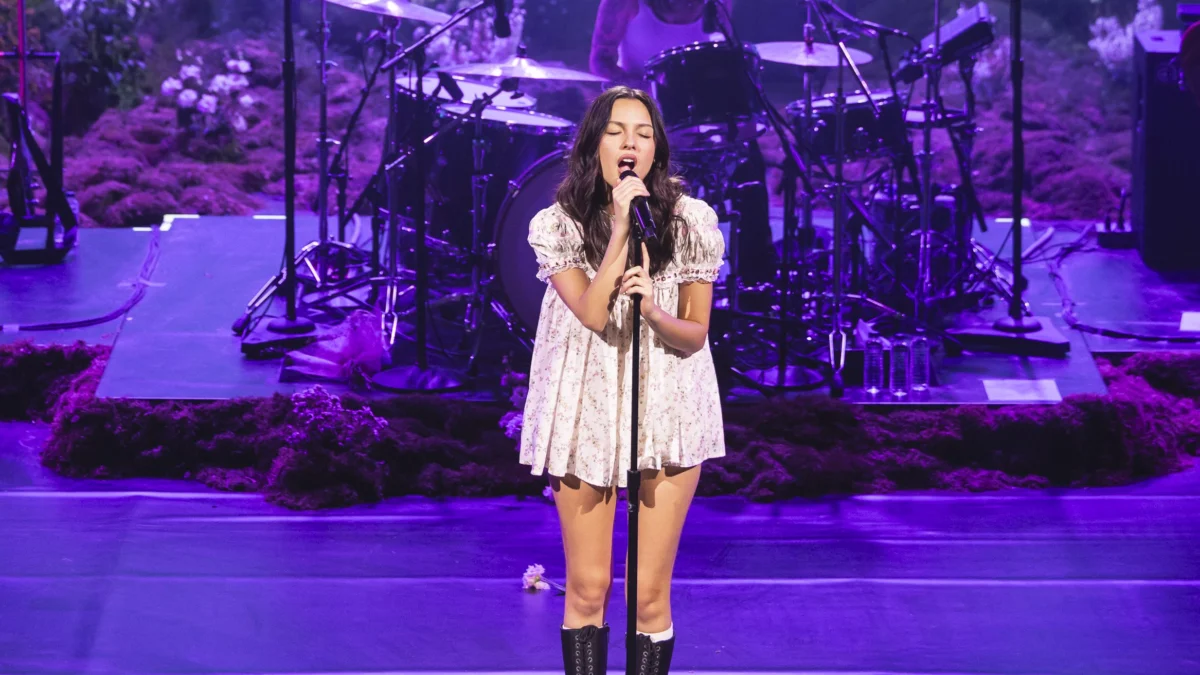
Pop sensation Olivia Rodrigo has broken her silence on the online criticism surrounding her choice to wear babydoll-style dresses, expressing profound disappointment and concern over the discourse. In a candid interview on The New York Times‘ Popcast podcast, the Grammy Award-winning artist articulated her frustration, stating that the controversy "really shows how we really normalize pedophilia in our culture." The remarks come in the wake of her adoption of the babydoll aesthetic in the music video for her latest single, "Drop Dead," and in recent live performances, sparking a significant online conversation about fashion, perception, and societal norms.
The Genesis of the Controversy
The babydoll dress, characterized by its short hemline, empire waist, and often youthful or innocent silhouette, has been a recurring element in Rodrigo’s recent public appearances and visual content. While intended by the artist as a nod to her musical inspirations and a comfortable, empowering fashion choice, the style has unfortunately become a focal point for detractors. This criticism, often voiced on social media platforms and online forums, has drawn a sharp rebuke from Rodrigo, who believes the backlash reveals deeper, more troubling societal undercurrents.
Rodrigo elaborated on her feelings during the podcast, emphasizing that the criticism, while personally upsetting, points to a more significant cultural issue. "That’s been making me so upset. Not even for me. People can say whatever they want," she stated. Her concern is not primarily for herself, but for the broader implications of how certain clothing choices are interpreted and policed, particularly for young women. She contrasted the current backlash with her experiences wearing more overtly revealing outfits. "I feel like I actually have worn outfits that are maybe revealing on stage. I’ve been on stage in a sparkly bra and little shorts, which is my right, that’s fun, I felt cool and comfortable in that. And that wasn’t inappropriate, but me fully covered up in a dress that people deemed to be childlike was inappropriate." This observation highlights a perceived double standard, where perceived sexualization in more revealing attire is deemed acceptable, while a more demure, albeit youthful, style is deemed problematic.
Deconstructing the "Babydoll" Discourse
Rodrigo’s most potent critique centers on the accusation that the public reaction to her babydoll dresses inadvertently contributes to the normalization of pedophilia. She argued, "I just think it really shows how we really normalize pedophilia in our culture. And also it’s just this rhetoric that we’re fed as girls since we’re so little, which is, don’t wear that because then a man is going to sexualize your body and it’s your fault. It’s so weird." This statement directly challenges the victim-blaming narrative that often accompanies discussions about women’s attire, suggesting that the fear of being sexualized, and the subsequent policing of clothing to prevent it, is a harmful indoctrination.
The singer clarified her intentions behind choosing the babydoll style, emphasizing a desire for personal comfort and an artistic connection rather than a deliberate attempt to appear "sexy." She explained, "I wasn’t trying to look ‘sexy,’ but that she rather ‘felt cool and comfortable’ in the dresses." Her fashion choices were influenced by iconic figures in alternative music, artists she deeply admires. "I didn’t think that I looked sexy in that at all. I was like, this is so cool. I feel I look like Kathleen Hanna or Courtney Love, all these people who are my heroes, and I felt cool and comfortable in it." This reference to Kathleen Hanna, a feminist icon and frontwoman of Bikini Kill, and Courtney Love, known for her punk rock image and unapologetic persona, underscores Rodrigo’s intention to channel a spirit of artistic defiance and self-expression.
Rodrigo further articulated her dismay at the societal tendency to impose restrictions on female self-expression out of fear of male gaze. "I just think if we start dressing in a way that’s like, ‘Oh, I don’t want some fucking freak to think that I’m sexy like a baby,’ or some crazy thing like that, I think it’s losing the plot a little bit," she remarked. Her primary concern, she reiterated, is the impact of such rhetoric on younger women and girls. "I’m just very protective of younger women and girls, and I don’t ever want them to be fed that rhetoric." This protective stance reveals a broader social consciousness, extending her personal experience to advocate for a more empowering environment for young females.
The Cultural Context of Fashion and Perception
The debate surrounding Olivia Rodrigo’s fashion choices is not an isolated incident but rather a microcosm of ongoing cultural conversations about female agency, sexualization, and the policing of appearance. The babydoll dress, historically associated with innocence and youthfulness, has a complex sartorial lineage. Emerging in the late 1950s and popularized in films like "Baby Doll," the style has evolved, sometimes embodying a retro charm, other times a more provocative, fetishized aesthetic. The interpretation of such garments often depends heavily on the wearer, the context, and the observer’s preconceived notions.
In recent years, there has been a growing awareness of the harmful effects of slut-shaming and victim-blaming, particularly in relation to sexual assault. This has led to more critical examination of how society assigns blame for unwanted sexual attention. Rodrigo’s critique taps into this discourse, suggesting that the focus on a woman’s clothing as the cause of sexualization is a misdirection that absolves individuals of responsibility and places an undue burden on women to police their own bodies and appearances.
Broader Implications and Societal Analysis
Rodrigo’s powerful statement on the Popcast podcast serves as a significant cultural moment, amplifying discussions around the sexualization of young women and the ingrained societal messages they receive. Her assertion that the criticism of her babydoll dresses points to a "normalization of pedophilia" is a bold and provocative claim, designed to shock listeners into recognizing the potential dangers of conflating youthful fashion with sexual deviance.
The implication is that by scrutinizing and condemning a style that is perceived as childlike on an adult woman, society is inadvertently creating a framework where the infantilization of women can be seen as acceptable or even desirable. This can contribute to a dangerous environment where boundaries are blurred and the exploitation of minors becomes more insidious. The artist’s defense of her fashion choice as an expression of personal style, inspired by artistic heroes, further emphasizes the disconnect between her intent and the public’s interpretation, highlighting the subjective nature of fashion and the pressures placed upon public figures, especially young women in the spotlight.
Furthermore, Rodrigo’s emphasis on the "rhetoric that we’re fed as girls" points to a systemic issue of internalized misogyny and the perpetuation of harmful gender stereotypes. The idea that a girl’s clothing is an invitation for sexualization, and that she is therefore responsible for managing male desire, is a deeply ingrained narrative that limits female autonomy and self-expression. By challenging this narrative, Rodrigo is advocating for a paradigm shift where women are free to dress and present themselves as they see fit, without fear of judgment or blame.
The Artist’s Trajectory and Upcoming Projects
This discussion occurs as Olivia Rodrigo prepares for the release of her third studio album, tentatively titled You seem pretty sad for a girl so in love. Her evolving artistic persona and willingness to engage with complex social issues suggest a maturing artist who is not afraid to use her platform to provoke thought and inspire change. The album’s title itself hints at themes of emotional complexity and introspection, which may further explore the pressures and expectations faced by young women in the public eye.
Rodrigo’s impact extends beyond her music; she has become a significant cultural voice for her generation. Her honest and forthright approach to discussing sensitive topics like fashion, societal judgment, and gender dynamics resonates with a wide audience. The controversy surrounding her babydoll dresses, while perhaps uncomfortable for some, ultimately serves to highlight the urgent need for a more nuanced and equitable understanding of how women’s appearances are perceived and policed. Her advocacy for young women to resist harmful rhetoric and embrace their own self-expression is a powerful message that is likely to shape future conversations. The public discourse, whether critical or supportive, underscores the undeniable influence of artists like Rodrigo in shaping cultural dialogues and challenging established norms.