Nila Kartika Wati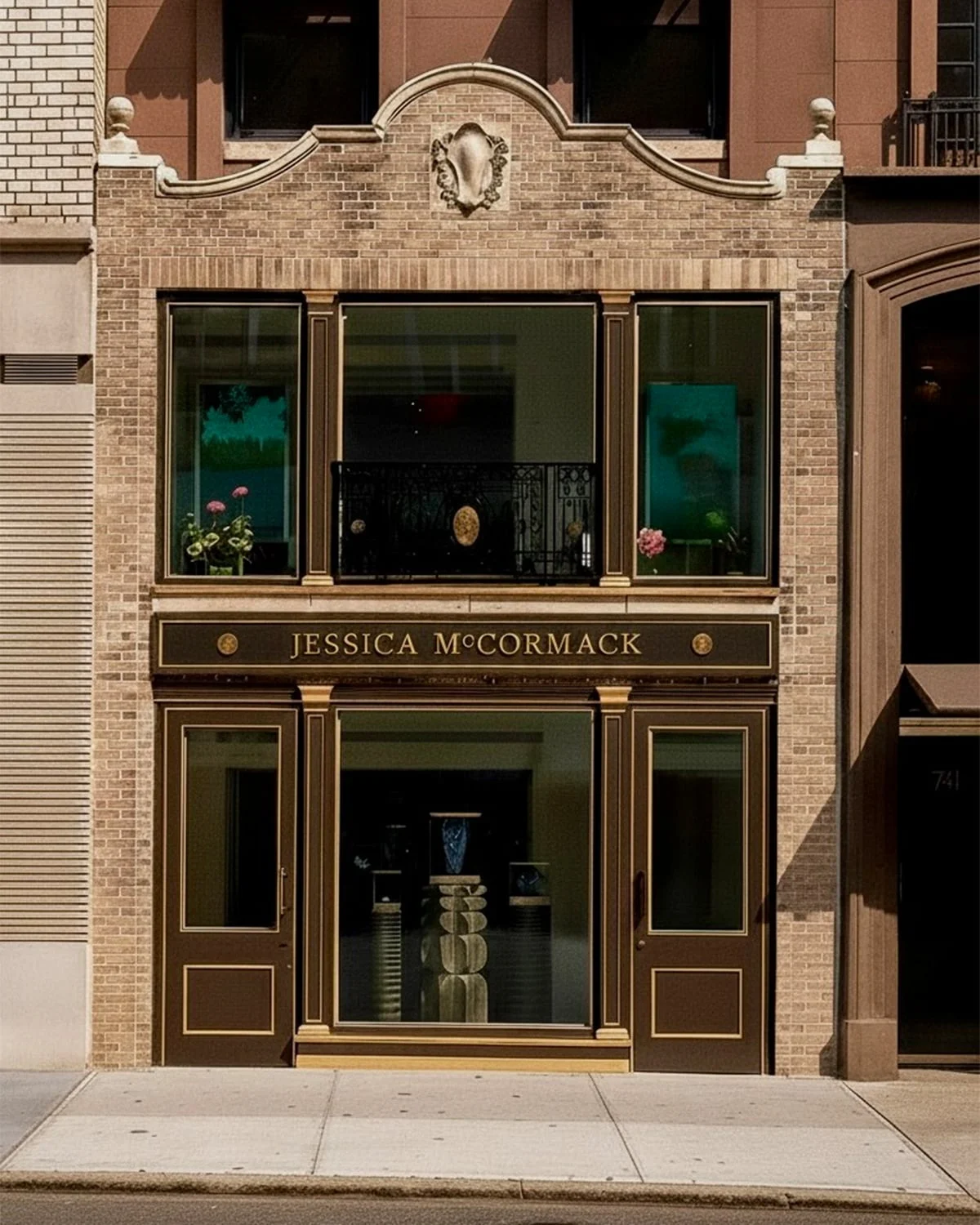
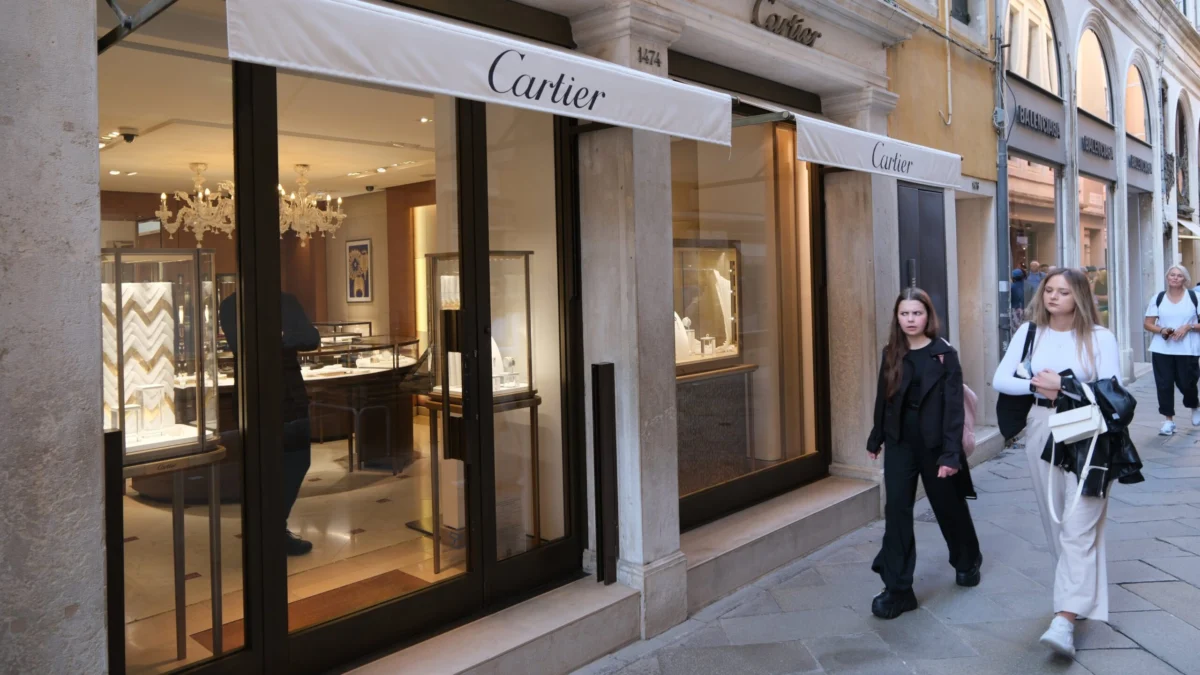
The fine jewellery sector, a cornerstone of the global luxury market, is experiencing a dynamic shift. While established titans like Cartier, Tiffany & Co., and Bulgari have long dominated this opulent arena, a new vanguard of independent jewellery houses is increasingly asserting its presence, challenging the traditional hierarchy. These agile and artfully curated brands are leveraging favorable market conditions and evolving consumer desires to carve out significant market share, particularly in the high jewellery segment, traditionally the exclusive domain of legacy players. Their ascent is marked by a strategic focus on building brand authority through curated experiences at art fairs, the establishment of flagship retail spaces in prime locations, and the creation of exquisite, one-of-a-kind high jewellery collections that resonate with a discerning clientele seeking both exceptional craftsmanship and a distinct narrative.
The Shifting Landscape of Luxury Jewellery
The broader luxury market has demonstrated remarkable resilience and growth in recent years, and jewellery has consistently been a standout performer within this ecosystem. Data from Bain & Company, in collaboration with Altagamma, consistently points to the jewellery segment as a key driver of luxury goods sales. For instance, their reports have indicated that the jewellery sector often outpaces the overall luxury market in terms of growth, driven by consistent demand from both established and emerging markets. This robust performance creates fertile ground for new entrants and ambitious independent brands to gain traction.
Several factors contribute to this evolving landscape. Firstly, there’s a discernible shift in consumer preferences, particularly among younger affluent demographics. These consumers are increasingly seeking authenticity, unique design, and a personal connection with the brands they patronize. They are less inclined to follow purely heritage-driven narratives and are more open to discovering and investing in brands that offer a fresh perspective and a compelling story. This inclination towards individuality and artisanal excellence is precisely where independent jewellery houses often excel.
Secondly, the increased accessibility of high-quality gemstones and the refinement of artisanal techniques have empowered smaller ateliers to produce pieces that rival the craftsmanship of larger, more established houses. Advances in technology, coupled with a renewed appreciation for traditional gem-cutting and setting methods, allow for the creation of breathtaking pieces that are both innovative and timeless.
Strategic Expansion and Brand Building
Independent jewellery brands are employing sophisticated strategies to build their brand authority and reach a global audience. A key tactic has been the strategic presence at prestigious art fairs and design events. Participating in events like Art Basel, Design Miami, or the Salon Art + Design allows these brands to showcase their creations alongside contemporary art and design, positioning their jewellery as objets d’art. This exposure not only garners media attention and attracts high-net-worth individuals but also lends an air of artistic credibility, aligning their pieces with collectible and investment-grade items.
The establishment of flagship stores in prime luxury retail destinations is another critical element of their expansion. Brands like Jessica McCormack, whose Madison Avenue storefront is pictured, are investing in physical spaces that serve as immersive brand experiences. These boutiques are designed not merely as points of sale but as extensions of the brand’s aesthetic and ethos, offering personalized consultations and an intimate environment for clients to explore their collections. This physical presence is crucial for building trust and fostering a sense of exclusivity, mirroring the approach of established luxury houses but with a distinct, independent flair.
Furthermore, the development of high jewellery offerings is a deliberate move to compete at the highest echelons of the market. These one-of-a-kind pieces, often featuring rare and exceptional gemstones, are the ultimate expression of a brand’s creative vision and technical prowess. By focusing on these bespoke creations, independent houses can attract the most discerning collectors and solidify their reputation as purveyors of extraordinary luxury. This segment of the market is characterized by its exclusivity and the deep personal relationships forged between designers and clients, an area where smaller, more agile brands can often provide a more tailored and intimate experience than larger corporations.
Historical Context and Market Evolution
The fine jewellery market has historically been characterized by a few dominant global players. Brands like Cartier, founded in 1847, Tiffany & Co. (1837), and Bulgari (1884) have built their empires over centuries, cultivating a legacy of craftsmanship, design innovation, and aspirational branding. Their extensive histories, iconic designs (such as Cartier’s Panthère or Tiffany’s T collection), and global retail networks have cemented their positions as benchmarks of luxury.
For decades, the landscape was relatively stable, with these established houses enjoying a near-monopoly on high-net-worth clientele seeking investment-grade jewellery. Entry into this elite segment was perceived as prohibitively difficult for newcomers due to the immense capital required for sourcing rare materials, establishing manufacturing capabilities, and building global brand recognition.
However, the dawn of the 21st century brought about significant shifts. The rise of e-commerce, while impacting many retail sectors, also opened new avenues for independent brands to reach a global customer base without the immediate need for an extensive physical retail footprint. Simultaneously, a growing appreciation for artisanal craftsmanship, influenced by movements in fashion, art, and design, began to foster a demand for unique, handcrafted pieces that told a story. This paved the way for a new generation of designers and entrepreneurs to establish jewellery houses with a distinct identity.
The emergence of brands like Boucheron, Van Cleef & Arpels, and Harry Winston as formidable players in the high jewellery space in the latter half of the 20th century demonstrated that even within a market dominated by heritage brands, there was room for innovation and differentiation. The current wave of independent labels builds upon this precedent, but with a more decentralized and digitally-enabled approach.
Data-Driven Insights and Market Projections
While specific financial data for many private independent jewellery houses is not publicly disclosed, industry analyses consistently highlight the growth trajectory of the jewellery sector. Reports from firms like Statista project continued expansion in the global fine jewellery market, with increasing contributions from the high jewellery and bespoke segments. For example, projections often indicate compound annual growth rates (CAGR) in the mid-single digits for the overall jewellery market, with the luxury and high jewellery segments potentially exhibiting even stronger performance due to their less price-sensitive customer base.
The increasing investment in retail spaces by these independent brands, as evidenced by the expansion of houses like Jessica McCormack into key international markets, signals a confidence in future growth. Such strategic investments are typically backed by robust sales figures and optimistic market forecasts, suggesting that these brands are experiencing sustained revenue growth that justifies the capital expenditure.
Furthermore, the increasing visibility of independent jewellery on red carpets, in fashion editorials, and through collaborations with influential figures in art and culture further underscores their growing market impact. This visibility acts as a powerful marketing tool, attracting new clients and reinforcing their status within the luxury ecosystem.
Reactions and Inferred Strategies from Industry Stakeholders
While direct quotes from competing mega brands are unlikely to be forthcoming regarding the rise of independent jewellers, the established players are certainly not passive observers. Their own strategies often involve significant investment in marketing, brand heritage storytelling, and the continuous innovation of their high jewellery collections. They also engage in strategic acquisitions, as seen historically with large luxury conglomerates acquiring established jewellery houses to bolster their portfolios. This suggests an awareness of the competitive pressures and a proactive approach to maintaining their market leadership.
Independent jewellers themselves, when engaging with industry publications or through their own communications, often emphasize their commitment to craftsmanship, the quality of their gemstones, and the personal relationships they build with clients. They highlight the advantage of agility and the ability to respond quickly to evolving trends and client demands, something that can be more challenging for larger, more bureaucratic organizations.
The success of these independent brands can be inferred as a testament to their ability to identify and capitalize on market gaps. They are not simply trying to replicate the offerings of heritage houses but are creating distinct brand identities that appeal to a modern definition of luxury, one that values artistry, individuality, and provenance.
Broader Impact and Future Implications
The ascendancy of independent jewellery houses has several significant implications for the broader luxury market. Firstly, it fosters greater competition, which can ultimately benefit consumers by driving innovation, design diversity, and potentially more personalized service across the sector. As independent brands push creative boundaries, established players may be compelled to adapt and evolve their own offerings to remain relevant.
Secondly, it democratizes, to some extent, the luxury jewellery space. While still an exclusive market, the rise of independent labels demonstrates that success is not solely dependent on centuries of heritage. Entrepreneurs with a clear vision, exceptional craftsmanship, and strategic marketing can build significant brands. This could inspire a new generation of designers and artisans to pursue careers in fine jewellery, enriching the industry’s talent pool.
Thirdly, it signals a potential shift in how luxury is perceived and consumed. The emphasis on art, design, and personal narrative suggests a move away from purely status-driven consumption towards a more curated and meaningful engagement with luxury goods. This trend is likely to continue as consumers increasingly seek products that align with their values and personal identity.
Looking ahead, the trajectory of these independent jewellery houses appears strong. As they continue to refine their strategies, expand their reach, and deepen their relationships with a global clientele, they are poised to not only coexist with but also significantly challenge the dominance of the established luxury jewellery giants. Their success underscores the enduring appeal of exquisite craftsmanship, unique design, and the power of a compelling brand narrative in the ever-evolving world of luxury. The coming years will likely see further consolidation of their market presence, perhaps even leading to new industry benchmarks for what constitutes a leading luxury jewellery brand.