Reynand Wu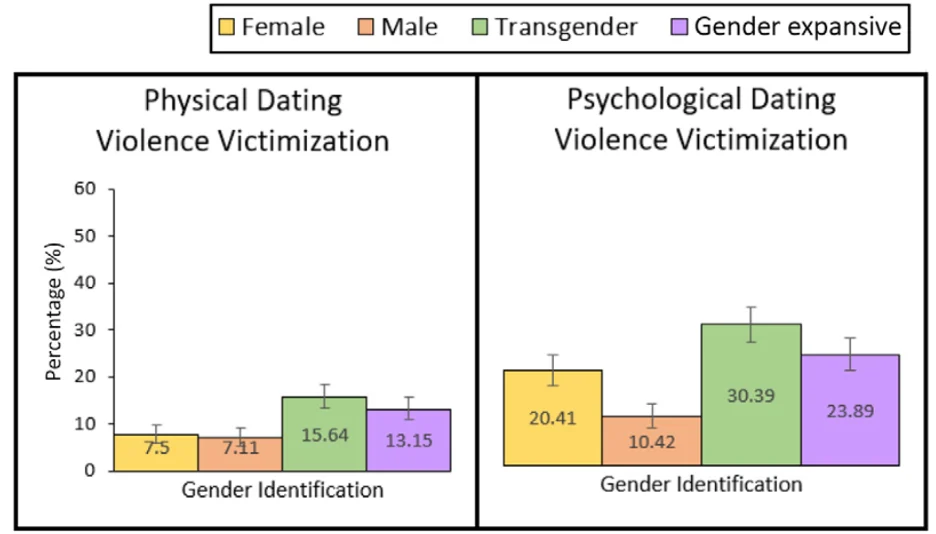
In recent years, the academic fields of sociology and gender studies have increasingly turned their attention to the evolving landscape of romantic and sexual relationships, delving into phenomena such as hookup culture and other modern forms of dating. However, a persistent gap in this discourse has been the often-overlooked experiences of transgender individuals, with discussions frequently focusing too narrowly on college campuses and failing to adequately acknowledge the widespread prevalence of dating apps across diverse age groups and demographics. This oversight is particularly critical given the unique challenges and heightened vulnerabilities faced by trans people in the dating world, a reality increasingly illuminated by groundbreaking research.
The Overlooked Reality: A Call for Inclusive Research
For too long, mainstream analyses of contemporary dating trends have operated under a largely cisnormative framework, inadvertently marginalizing the lived realities of transgender individuals. This limited perspective not only renders a significant portion of the population invisible but also obscures critical insights into the dynamics of safety, consent, and identity negotiation in romantic and sexual contexts. The proliferation of digital dating platforms has undeniably democratized access to potential partners, yet it has simultaneously introduced new layers of complexity and risk, particularly for gender-diverse communities. Understanding these nuances requires a deliberate shift towards trans-inclusive research that acknowledges and addresses the specific hurdles faced by trans people.
Heightened Vulnerability: Dating Violence and Discrimination
The imperative to focus on trans experiences in dating is underscored by alarming statistics concerning dating violence. A pivotal 2021 study published in Pediatrics revealed that trans youth are twice as likely as cisgender women to have experienced physical dating violence. Furthermore, the study found that they are fifty percent more likely to have endured psychological dating violence. These figures paint a stark picture of the disproportionate risk faced by young trans individuals, indicating a systemic issue that extends beyond individual interactions into broader societal prejudices and lack of protective measures.
Building on these findings, a 2023 study published in the Journal of Sex Research identified common, distressing experiences reported by trans individuals in dating scenarios. Most notably, participants frequently encountered fetishization and had to contend with pervasive assumptions about trans people based on stereotypes rather than their individual identities. One participant, a trans woman, articulated this frustration directly, stating, "Because I’m a trans woman, people instantly assume that I must be this massive bottom." Similarly, a trans man recounted feeling a profound disconnect, observing, "I just felt like they weren’t talking to me. They were talking to an idea they had about me." These testimonies highlight a pervasive dehumanization, where trans individuals are often reduced to preconceived notions or sexual fantasies, rather than being seen and respected for who they are.
The Dilemma of Disclosure in Digital Spaces
Dating apps, while offering unparalleled reach, also present a unique set of challenges regarding identity disclosure. Research presented at the ACM Conference on Human Factors in Computing Systems in 2019 explored trans people’s decisions to reveal their trans identity to prospective partners on these platforms. The findings indicated that a majority of participants proactively and explicitly disclosed their identity early in interactions. This often stemmed from serious concerns about personal safety and the potential for violence, particularly in initial face-to-face meetings.
One genderfluid participant living in a rural area candidly expressed the profound anxiety associated with these encounters, stating that when meeting someone in person from a dating app, they always thought, "that person could be the person that kills me." This chilling reflection underscores the severe safety risks that trans individuals, particularly those in less accepting geographical areas, must constantly navigate. However, not all trans individuals opt for explicit disclosure. Some engage in "softer" disclosure methods, strategically showcasing different facets of their identity through multiple profile pictures or subtle cues, hoping to convey their gender identity without directly stating it, thereby managing the risks associated with overt revelation. This delicate balancing act between authenticity and personal safety is a pervasive feature of trans dating experiences.
Intersectional Vulnerabilities: Who is Most at Risk?
The landscape of vulnerability within the trans community is not uniform; rather, it is deeply shaped by intersectional identities. A 2021 study published in Social Sciences found that Black, Indigenous, and People of Color (BIPOC) trans individuals, queer trans people, and transfeminine individuals are disproportionately likely to have experienced dating violence. This research highlights how racial, sexual, and gender identities intersect to create compounded layers of marginalization and risk.
Further illustrating this point, a 2022 study in the Journal of Interpersonal Violence specifically investigated the dating experiences of BIPOC trans women. This research uncovered a particularly insidious pattern: their cisgender male partners often concealed the relationship from public view due to stigma and fear of social reprisal. The consequences of this enforced secrecy were dire, ranging from physical violence to severe psychological trauma. One participant powerfully articulated the life-threatening implications: "We getting killed just because of the guys here were scared that they secret would come out." The study also detailed the "survival strategies" employed by these women, which included hypervigilance, carefully selecting clothing to avoid being "found out," and actively avoiding certain men or situations perceived as dangerous. These strategies are not choices but necessities born out of a hostile environment, imposing immense mental and emotional burdens.
Towards a Safer Future: Proposed Remedies and Calls to Action
The authors of these critical studies have not only identified profound problems but also put forth actionable remedies aimed at fostering a safer and more inclusive dating environment for trans individuals. These recommendations span educational, technological, and legal spheres, reflecting the multi-faceted nature of the challenges.
First, a resounding call has been made for comprehensive trans-inclusive education. This includes integrating gender diversity into school curricula, updating sex education programs to be explicitly trans-inclusive, and implementing specialized violence prevention training. Such educational initiatives have been shown to significantly enhance comfort levels and understanding among both trans individuals and their cisgender partners, reducing prejudice and promoting respectful interactions. By normalizing trans identities and experiences, these programs can dismantle harmful stereotypes that fuel fetishization and violence.
Second, dating app users have expressed a strong desire for improved filtering options. As one participant in the 2023 Journal of Sex Research study articulated, "The majority of the interactions I have with cis men on dating apps are just shit, full stop… can I have less of them pop up?" This sentiment underscores the urgent need for dating platforms to develop more sophisticated and user-controlled filtering mechanisms. Such features could empower trans users to curate their dating experience, minimizing exposure to harassment, fetishization, and potentially dangerous encounters, thereby making online dating a safer and more positive space. Dating app companies, as facilitators of these interactions, bear a significant responsibility to implement these improvements and prioritize user safety, particularly for their most vulnerable populations.
Finally, some study authors have strongly advocated for the prohibition of "trans panic defenses." A "trans panic defense" is a legal strategy that allows perpetrators of violent crimes, including murder, to justify their actions by claiming a temporary loss of control after discovering their victim is transgender. This defense essentially blames the victim for their own assault or death, perpetuating the idea that a trans person’s identity is inherently provocative or deceitful. The American Bar Association has officially called for the abolition of these defenses, recognizing them as discriminatory and harmful. Their prohibition is a crucial step towards ensuring legal justice for trans victims of violence and sending a clear message that trans identity can never be a justification for criminal acts.
The Broader Implications and a Path Forward
The increasing visibility of trans people in public life, while a sign of progress, has unfortunately been met with unprecedented levels of scrutiny and, in many regions, a surge of anti-trans legislation. This societal backdrop makes the findings of these studies not just academic curiosities but urgent calls to action. The struggles faced by trans individuals in dating are not isolated incidents but reflections of broader societal prejudices, systemic discrimination, and a lack of understanding.
The psychological toll of constant vigilance, the fear of violence, and the emotional labor of navigating fetishization and misgendering cannot be overstated. These experiences contribute to higher rates of anxiety, depression, and other mental health challenges within the trans community. A society that fails to ensure the safety and dignity of its most vulnerable members in something as fundamental as seeking companionship is one that fundamentally fails in its commitment to equality.
As trans people continue to assert their place in society and seek connection, love, and intimacy, it is incumbent upon researchers, policymakers, technology developers, and the public at large to actively dismantle the barriers and mitigate the dangers they face. The social science research presented here provides an indispensable roadmap, urging us to look for comprehensive ways to make for a safer, more equitable, and less anxious future for trans people as they navigate the complex, often perilous, journey of finding romantic and sexual partners. This commitment is not merely about inclusivity; it is about human rights and the fundamental right to safety and dignity for all.
Leah Long is a history and sociology student at Macalester College who researches and writes about trans history and politics.