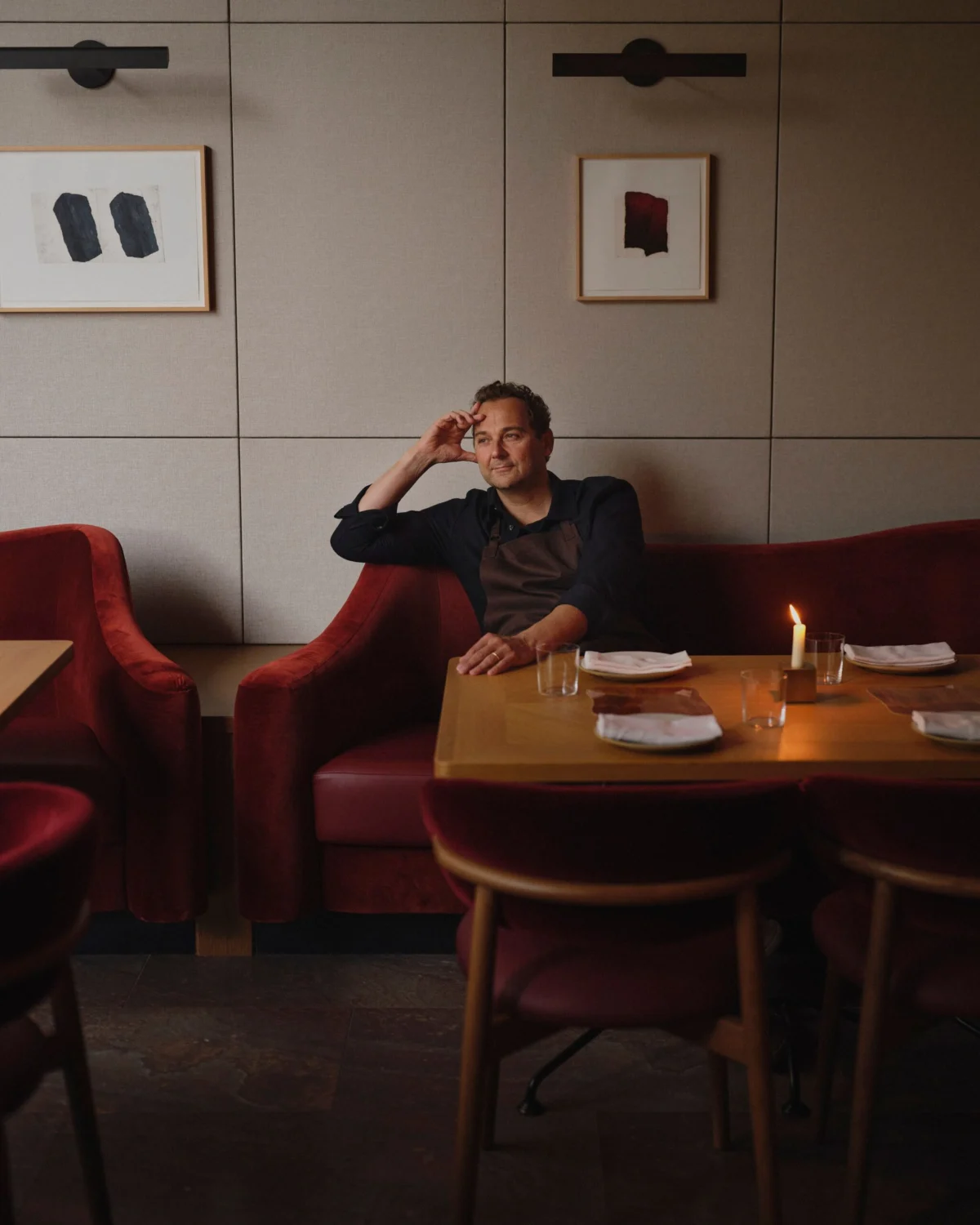
Danny Garick
The transition from managing a high-volume family kitchen to preparing meals for a single-person household represents a significant demographic and lifestyle shift for many individuals in the mid-to-late stages of adulthood. After decades of preparing thousands of meals for a family unit, the sudden shift to solo dining—often precipitated by children leaving the home or the dissolution of a marriage—presents both a psychological challenge and an opportunity for culinary reclamation. For those who have spent over 20 years providing for others, the move toward "veggie-centric" and "high-flavor" individual cooking is not merely a change in portion size, but a strategic pivot toward personal health and autonomy.
The Socio-Demographic Context of the "New Era" Cook
The scenario of a long-term caregiver transitioning to solo living is increasingly common in contemporary society, often categorized under the sociological phenomena of "Empty Nest Syndrome" and "Gray Divorce." According to data from the Pew Research Center, the divorce rate for US adults aged 50 and older has roughly doubled since the 1990s. Simultaneously, the US Census Bureau reports that the number of single-person households has reached record highs, now accounting for nearly 29% of all households.
For an individual who has cooked for a family of five for over two decades, the sheer volume of labor is staggering. Quantitatively, preparing dinner six nights a week for 20 years equates to approximately 6,240 individual dinner services, not accounting for breakfast, lunch, or holiday hosting. This extensive background in "batch" production provides a unique set of skills that, when repurposed, can make solo cooking highly efficient rather than a chore to be avoided.
Chronology of the Culinary Transition
The transition from family-oriented cooking to solo meal preparation typically follows a distinct chronological path. Understanding these stages allows individuals to navigate the shift without succumbing to "cooking fatigue" or a reliance on processed convenience foods.
Phase 1: The Reduction of Scale
In the initial months of solo living, the primary challenge is recalibrating the internal "measure" for ingredients. Accustomed to buying in bulk and cooking in large pots, many find themselves with excessive leftovers that lead to food waste. This phase requires a conscious effort to shop at farmers’ markets or grocers where produce can be purchased by the unit rather than the bag.
Phase 2: Structural Adaptation for Professional Life
For individuals still in the workforce, maintaining a routine is critical. Establishing a "lunch-five, dinner-six" schedule—meaning five packed lunches for the work week and six home-cooked dinners—provides a framework that prevents the nutritional erosion often associated with living alone.

Phase 3: Flavor Exploration and Personal Preference
This final stage involves the "re-flavoring" of the kitchen. After years of catering to the varied (and often picky) palates of children or a spouse, the solo cook is free to prioritize ingredients that may have been previously vetoed, such as anchovies, pungent brassicas, or high-heat spices.
Strategic Meal Planning for the Single-Person Household
Professional culinary advice for solo diners emphasizes the "Cook Once, Eat Twice" (or thrice) philosophy, but with a focus on component cooking rather than repetitive leftovers. This method ensures that the cook remains engaged with the process without being overwhelmed by daily labor.
The Utility of Freezer-Stable Bases
Soups and stews remain the most effective tool for the solo cook. Experts suggest preparing full-sized recipes of nutrient-dense options, such as lemony red lentil soup or vegetable-based gazpachos, and freezing them in single-serve portions. Wide-mouth mason jars or specialized silicone freezing trays are recommended for their durability and portion control. This strategy addresses the "lunch five times a week" requirement by creating a "frozen library" of high-quality meals that can be supplemented with fresh greens at the point of consumption.
Sturdy Salads and Textural Integrity
A common deterrent to solo meal prep is the degradation of fresh produce over the work week. To combat this, culinary professionals recommend "sturdy" salads built on bases of cabbage, kale, or radicchio. Unlike delicate lettuces, these vegetables can be dressed in advance or kept for several days without losing their structural integrity. Incorporating protein sources like shredded chicken or chickpeas allows these salads to serve as complete, high-flavor meals.
Leveraging "Workhorse" Ingredients and High-Flavor Profiles
In a solo kitchen, the emphasis shifts from quantity to intensity. High-flavor cooking utilizes umami-rich ingredients and fresh aromatics to create satisfying meals that do not require hours of preparation.
The Morocco Method: Big-Flavor Vegetables
Food directors and culinary experts often point to specific techniques to elevate simple vegetables. For example, "Big-Flavor Broccoli"—a technique involving searing broccoli with red onion, garlic, anchovies, and parmesan—transforms a side dish into a standalone supper. When paired with high-quality store-bought staples like hummus, Greek yogurt, or burrata, these veggie-centric dishes provide the "high-flavor" profile requested by modern solo diners.
Modular Condiments
The use of versatile sauces, such as kale pesto or chili crisp, allows a single batch of preparation to flavor multiple different meals. A pesto can be served over whole-wheat pasta on Monday, spooned over roasted root vegetables on Tuesday, and folded into scrambled eggs on Wednesday. This modular approach reduces decision fatigue while maintaining variety.

Economic and Nutritional Impact Analysis
The shift to solo home cooking has measurable impacts on both personal finance and long-term health. Data from the Bureau of Labor Statistics (BLS) indicates that the "food away from home" category (restaurant and takeout) consistently sees higher price inflation than "food at home." For a solo diner, the temptation to rely on delivery services is high, yet the cost per meal can be 300% higher than a home-cooked alternative.
From a nutritional perspective, solo diners are at a higher risk for "tea and toast" syndrome—a term used by healthcare providers to describe the nutritional deficiencies that occur when individuals stop preparing balanced meals for themselves. By focusing on "veggie-centric" recipes, the solo cook ensures a high intake of fiber, phytonutrients, and antioxidants, which are crucial for maintaining health during the aging process.
Expert Reactions and Psychological Benefits
Psychologists specializing in life transitions note that the act of cooking for oneself is a profound form of self-care. "When an individual who has spent decades feeding others continues to cook high-quality meals for themselves, it reinforces their sense of self-worth during a period of identity flux," says Dr. Elena Rossi, a clinical psychologist specializing in mid-life transitions.
Culinary experts, including those from prominent publications like Bon Appétit, emphasize that this "New Era" should be viewed as a period of creative freedom. The ability to "eyeball" measurements and riff on templates—such as "salad ramen" or cottage-cheese-stuffed squashes—allows for a more relaxed and intuitive relationship with food than was possible when managing the schedules and preferences of a five-person household.
Conclusion: The Broader Implications of Solo Culinary Autonomy
The move toward intentional solo cooking reflects a broader societal shift toward valuing individual wellness and sustainable living. As more people enter this "New Era" of their lives, the food industry is responding with smaller packaging and more diverse, high-quality "convenience" ingredients (such as pre-washed greens and high-end tinned fish) that support the solo chef.
Ultimately, the transition from family provider to solo diner is an opportunity to redefine one’s relationship with the kitchen. By utilizing batch-freezing for lunches, embracing high-flavor vegetable preparations for dinners, and taking advantage of the flexibility of the farmers’ market, individuals can sustain their culinary passion for decades to come. The kitchen, once a site of domestic labor for the benefit of the collective, becomes a sanctuary for personal exploration, health, and the celebration of new beginnings.