Danny Garick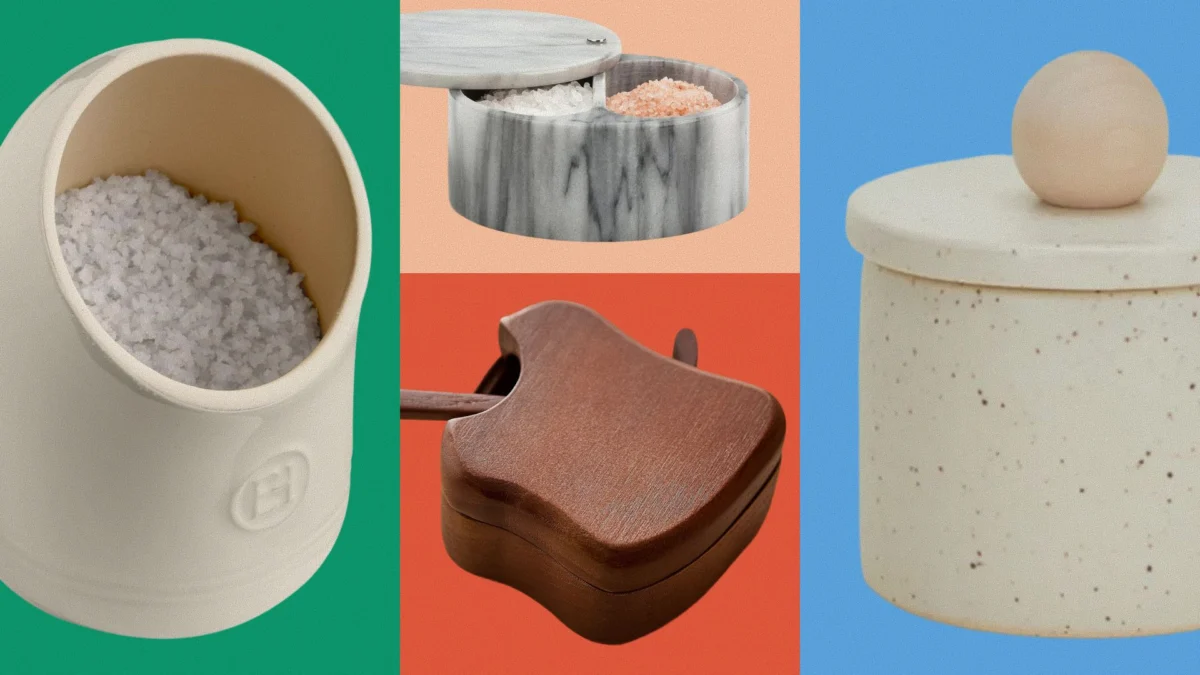
The salt cellar, an ancient tool that predates modern kitchen appliances by centuries, has re-emerged as a critical component of the contemporary culinary workspace. While home cooks frequently prioritize investments in high-end knife storage, sophisticated pan racks, and elaborate coffee stations, the salt cellar remains one of the hardest-working yet most frequently overlooked instruments in the kitchen. Given that salt is the fundamental seasoning used in nearly every phase of the cooking process, professional chefs and culinary experts argue that a dedicated, accessible container within arm’s reach of the stovetop is not merely a convenience but a necessity for precision and efficiency.
The Evolution of the Salt Cellar: A Culinary Chronology
The history of salt storage reflects the broader evolution of human civilization and culinary status. In the Middle Ages and the Renaissance, the salt cellar—often referred to as a "Great Salt" or "Master Salt"—was a centerpiece of the dining table, serving as a marker of social hierarchy. Guests seated "above the salt" were of higher status than those seated "below" it. These vessels were often elaborate works of gold or silver, designed to showcase the host’s wealth as much as the precious mineral they contained.
By the 19th century, as salt production became industrialized and the mineral more affordable, the "open salt" or small individual salt cellar became common in households. However, the introduction of anti-caking agents in the early 20th century—most famously marketed by Morton Salt with the slogan "When it rains, it pours"—led to the dominance of the salt shaker. For decades, the shaker was the standard for home use, prioritizing flow over control.
The 21st-century culinary "renaissance" has seen a decisive shift back to the salt cellar. As home cooks have become more sophisticated, moving away from fine table salt toward coarse kosher salts and delicate finishing flakes, the mechanical limitations of the shaker have become apparent. The return to the cellar represents a return to tactile cooking, where the "pinch" allows for a level of seasoning control that a perforated lid cannot provide.
Functional Design: The Engineering of the Salt Pig
In the modern market, classic salt cellars generally adhere to two primary design philosophies: the "salt pig" and the lidded cellar. Each serves a specific ergonomic and environmental purpose within the high-heat, high-moisture environment of a working kitchen.
The "salt pig" is a traditional design characterized by a hood or a curved, pipe-like opening. This architectural choice is far from aesthetic; the hood protects the salt from falling dust, kitchen grease, and debris while maintaining a wide aperture for easy hand access. This design is particularly favored by professional cooks because it eliminates the need to manipulate a lid with "dirty" or flour-covered hands mid-process. By utilizing materials like unglazed ceramic or stoneware, salt pigs also help regulate humidity. The porous nature of these materials can wick away excess moisture, preventing the salt from clumping—a common issue in kitchens with high steam output.
Manufacturers such as Emile Henry have perfected this form. The Emile Henry Salt Pig, crafted from high-fired Burgundian clay, is designed to withstand the rigors of a professional environment while maintaining a temperature-stable interior. Similarly, the Cole & Mason Strethall Ceramic Salt Pig offers a utilitarian approach, focusing on a wide mouth that accommodates even the largest hands, ensuring that the act of seasoning remains fluid and uninterrupted.
The Lidded Alternative: Preserving Purity and Moisture Control
Alternatively, lidded salt cellars offer a different set of advantages, primarily focused on long-term preservation and protection. Modern lidded designs often feature hinged tops that can be flipped upward or swivel lids that swing to the side with a single finger flick. This mechanism provides a seal against the humid air of a kitchen, which is essential for preserving the crystalline structure of expensive finishing salts like Maldon or Fleur de Sel.

The material science behind these containers is diverse. For instance, the Zero Japan Bee House Premium Salt Box utilizes a Hinoki wood lid. Hinoki, a type of Japanese cypress, is naturally antimicrobial and possesses a pleasant aroma that does not compromise the flavor of the salt. The RSVP International Dual Compartment Box, carved from solid marble, uses the natural thermal mass of the stone to keep the contents cool, while its swivel lid allows for rapid access.
Market Trends and the Rise of the Professionalized Home Kitchen
Supporting data from the global kitchenware market indicates a significant rise in the "professionalization" of the home kitchen. According to market research reports, the global household kitchenware market is projected to grow at a compound annual growth rate (CAGR) of approximately 4.5% through 2030. A notable sub-trend within this growth is the demand for "quiet luxury" and "chef-grade" tools.
As consumers move away from plastic and toward sustainable, long-lasting materials, stoneware and marble salt cellars have seen a surge in popularity. This shift is driven by a desire for "intentional design"—the idea that every item on a countertop should serve a functional purpose while contributing to the home’s aesthetic. The "minimalist" movement in interior design has further propelled brands like Hawkins New York and The Collective Home, whose speckled stoneware and aurum-finished cellars cater to a demographic that views kitchen tools as decorative art.
Material Integrity: Why Stoneware and Glass Matter
The choice of material for a salt cellar is not merely a matter of style; it affects the chemical stability of the seasoning.
- Stoneware and Ceramic: These are the most popular choices due to their durability and thermal properties. High-fired ceramics are non-reactive, meaning they will not leach chemicals into the salt or absorb odors from the kitchen.
- Marble and Natural Stone: Marble is prized for its weight and stability. A heavy marble cellar, such as the RSVP International model, will not slide across the counter when a cook reaches for a pinch in a hurry.
- Glass: While glass does not offer the moisture-wicking properties of unglazed ceramic, it is non-porous and easy to sanitize. Brands like Bormioli Rocco offer tempered glass options that provide a clean, modern look and allow the cook to see exactly how much salt remains.
- Wood: Often used for lids or artisanal bowls (like those found on Etsy), wood offers a warm aesthetic. However, it requires more maintenance to prevent the wood from drying out or absorbing oils.
The Strategic Advantage of Dual Compartments
A growing trend among serious home cooks is the use of dual-compartment cellars. This design acknowledges that different salts serve different functions. Kosher salt, with its coarse grains and lack of additives, is the primary tool for seasoning meat and building flavors during the cooking process. In contrast, flaky sea salts or smoked salts are used as "finishing" elements, added just before serving to provide a crunch and a burst of salinity.
Dual-compartment trays, such as the Nude Silhouette or the RSVP Marble Swivel, allow a cook to manage both types of salt in a single footprint. This consolidation reduces countertop clutter—a primary concern in modern urban kitchens—while ensuring that the right tool is always available for the right task.
Broader Impact: The Aesthetic and Ergonomic Shift
The re-adoption of the salt cellar is part of a larger movement toward ergonomic kitchen design. Designers are increasingly focused on the "work triangle" (the space between the stove, sink, and refrigerator), but they are also refining the "micro-stations" within that triangle. The salt cellar is the anchor of the "seasoning station."
Furthermore, the "quirky" or artisanal segment of the market—represented by hand-painted Portuguese ceramics or unconventional shapes like the "Sardine" cellar found on Etsy—reflects a move toward personalization. In an era of mass-produced goods, home cooks are seeking out pieces that tell a story or reflect their personality. Even non-traditional vessels, such as the Dada "Pedro Tribute" ashtray or CB2 smoked cordial glasses, are being repurposed as salt cellars, proving that functionality is defined by the user rather than the manufacturer.
Conclusion: An Essential Culinary Investment
In summary, the salt cellar is a quintessential example of a tool that has been refined by centuries of use. Its presence next to the stove is a hallmark of an organized and efficient kitchen. By choosing a vessel that balances material integrity, ergonomic access, and aesthetic appeal, the home cook elevates the most basic act of cooking—seasoning—into a precise and intentional practice. Whether it is a classic French salt pig or a modern marble swivel box, the salt cellar remains an indispensable ally in the pursuit of culinary excellence. As the market for premium kitchenware continues to expand, the humble salt cellar stands as a testament to the enduring value of simple, well-designed tools in the modern home.