Layla Zulfa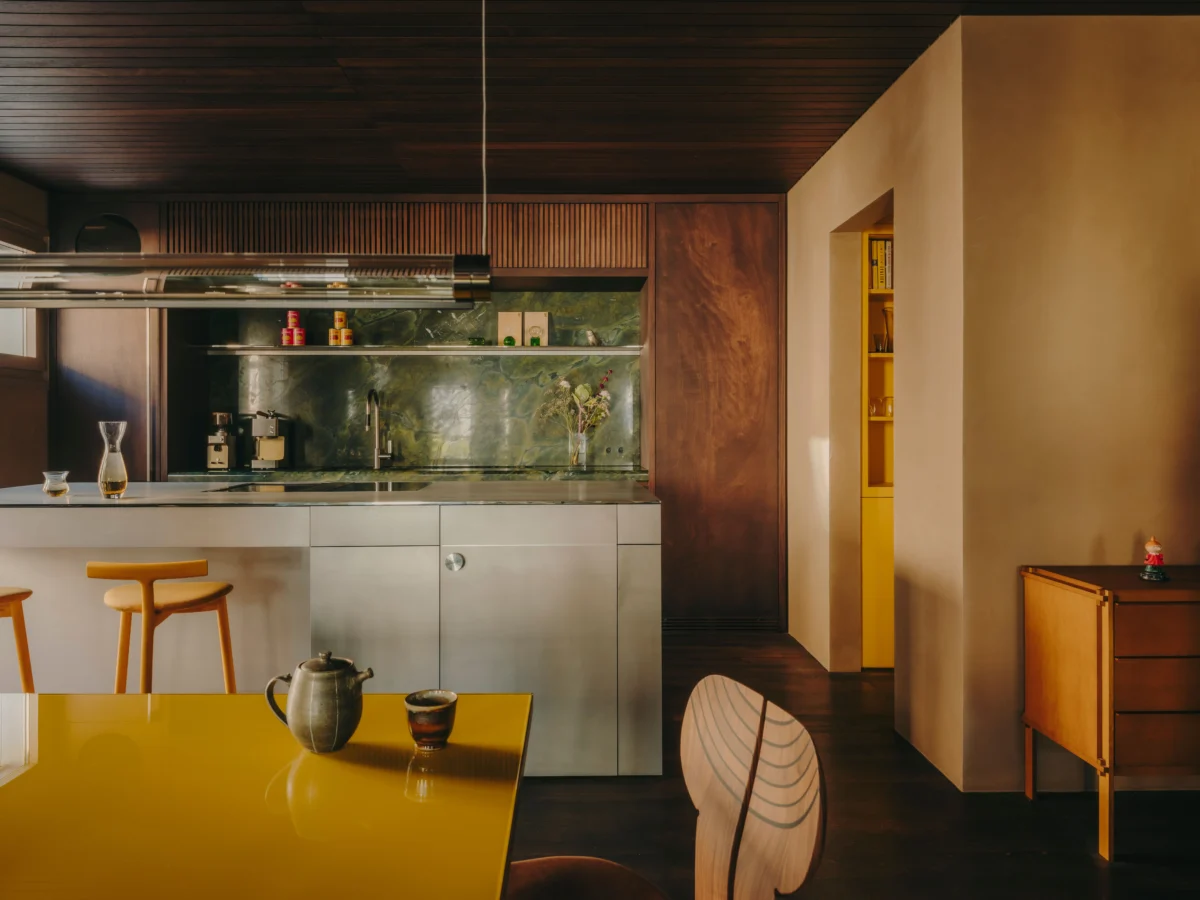
In the heart of Munich, a residential project has challenged the traditional conventions of German urban architecture by prioritizing narrative and atmosphere over standard floor plans. Designed by the studio Holzrausch for film producer Cornelia Popp and her husband, the townhouse represents a significant departure from the "bright and airy" minimalism that has dominated European luxury interiors for decades. Instead, the creative team utilized a methodology more common in film production, beginning the design process with a series of assembled scenes, sketches, and cinematic moods rather than technical blueprints. This narrative-driven approach has resulted in a residence that functions as an immersive environment, evoking the warmth and seclusion of a 1970s South American interior while remaining nestled within a traditional Bavarian urban context.

The Narrative Foundation: Designing Through a Cinematic Lens
The genesis of the Munich townhouse project was rooted in the professional backgrounds of its owners. As a film producer, Cornelia Popp sought a living space that mirrored the evocative power of cinema. The couple presented the design team at Holzrausch with a vision of a space characterized by wood, warmth, and the specific "noir" quality of a South American evening. According to Popp, the initial concept was less about the placement of rooms and more about the "action" that would unfold within them. The primary inspiration was a scene reminiscent of 1970s cinema—a space where the interior world feels private and protected, yet offers a deliberate view of distant city lights.
Sven Petzold, a lead designer at Holzrausch, noted that the project required a fundamental shift in architectural priorities. In a city like Munich, where the prevailing urban style is defined by the 1990s aesthetic of red brick facades and white-framed square windows, creating a secluded "other world" required minimizing the influence of the existing architecture. The design team focused on the interior volume, treating the external structure as a shell that could be psychologically detached from the living experience inside.

Structural Chronology: The "Gorge" and Spatial Transition
One of the most defining structural elements of the renovation is the entryway, which establishes a clear psychological threshold between the city of Munich and the private residence. Upon entering, visitors find themselves in a small vestibule that leads to a narrow, dark staircase. This feature, which the architects and owners refer to as the "gorge," was designed to separate the levels of the home rather than merely connect them.
The transition through this "gorge" is a deliberate exercise in sensory compression and release. The darkness of the staircase creates an initial sense of intensity, which then gives way to a dramatic opening of space as one reaches the lower levels. This "film set" quality is achieved through a combination of low-light levels and high-contrast materials. The staircase serves as a physical manifestation of the project’s central theme: the rejection of the "outside" in favor of a curated "inside."

Materiality and the Aesthetic of Darkness
The Munich townhouse is a case study in the sophisticated use of dark finishes and their impact on spatial perception. While conventional residential design often seeks to maximize natural sunlight, this project deliberately limits it. The walls and ceilings are predominantly covered in dark wood finishes, specifically okoumé and smoked oak. Okoumé, an African hardwood often prized for its lustrous texture and use in high-end cabinetry, provides a deep, tropical warmth that aligns with the South American inspiration.
The decision to embrace darkness was not without its challenges. Both the clients and the design team admitted to moments of doubt regarding whether the dark-paneled ceilings would feel oppressive. However, the final result demonstrates that precision in materiality and lighting can prevent dark interiors from feeling heavy. By using materials that either absorb or reflect light in specific ways, the designers added significant depth to the rooms.

The dark wood surfaces are punctuated by cooler, smoother materials that provide necessary contrast:
- Vitoria Regia Quartzite: A natural stone known for its unique green and grey veining, used to provide a "tropical" tone.
- Wachenzeller Limestone: A regional German stone that offers a grounded, matte finish.
- Stainless Steel and Colored Glass: These materials were introduced to reflect and refract the limited light sources, creating "strategic accents" throughout the home.
The Kitchen: A Study in Contrast and Light Filtration
The kitchen serves as a departure from the darker, more secluded living areas, though it maintains the home’s commitment to high-contrast materiality. The design was the result of a creative negotiation between Popp and her husband; while she initially envisioned green marble, the final choice was a sleek stainless-steel island. This choice allows the kitchen to function as a light-reflective hub within the home.

A notable feature of the kitchen is the use of a "sunny yellow" palette for the built-in elements and the pantry niche. This concentrated color acts as a visual filter, making the light in the area feel dense and warm. This "filtered" light effect contributes to the overall cinematic quality of the home, suggesting the presence of a setting sun even in the absence of direct exterior views.
Furnishings and Global Design Influences
The interior design, curated in collaboration with interior designer Stephanie Thatenhorst, incorporates a mix of mid-century original designs and contemporary Italian pieces. This eclectic yet disciplined selection reinforces the 1970s aesthetic without veering into pastiche.

Key pieces include:
- Pierre Chareau Originals: A desk and chair from the late 1920s, produced in hammered metal and walnut by The Rope, occupy the living area. Chareau’s work is known for its "Maison de Verre" industrial-modernist aesthetic, which complements the home’s focus on structural precision.
- Dimore Milano: The Campeggio dining table provides a contemporary Italian touch, blending luxury with a slightly avant-garde edge.
- Tacchini Africa Chairs: These pieces further the "South American" vibe, emphasizing comfort and organic forms within the rigid architectural shell.
- Space Age Lighting: A Globe table lamp from the 1970s sits atop a Mesa Vaivén side table by Nomon, grounding the bedroom in the specific era that inspired the project.
Technical Integration: The Role of Strategic Lighting
In a home where darkness is a primary design element, the role of artificial lighting becomes paramount. The project utilizes a sophisticated combination of architectural and decorative lighting to define spaces.

- Apure Spotlights: These high-precision architectural lights are used throughout the home to create "pools" of light, highlighting specific textures—such as the grain of the okoumé or the veins in the natural stone—while leaving other areas in shadow.
- Holzrausch Classico Collection: Custom wall sconces provide soft, ambient glows that mimic the "city lights" mentioned in the original design brief.
- Edge Lighting: In the bathrooms, integrated edge lighting is used alongside colored glass shower enclosures to create a sense of depth and modern luxury.
Broader Impact and Design Implications
The completion of the Munich townhouse reflects a growing trend in high-end residential architecture: the move toward "mood-based" or "narrative" design. As homeowners seek more personalized and emotionally resonant spaces, the traditional focus on "resale value" and "neutral palettes" is being replaced by a desire for homes that reflect specific cultural or cinematic interests.
From a market perspective, the project highlights the rising demand for bespoke cabinetry and integrated woodworking in luxury renovations. Studios like Holzrausch, which specialize in high-precision timber work, are increasingly being asked to take on the role of both architect and interior designer, ensuring a seamless material flow from the walls to the furniture.

Furthermore, the project challenges the "biophilic design" status quo. While many modern homes attempt to bring the outdoors in through large glass walls and open vistas, this townhouse uses indoor plants and "tropical" materials to create a simulated nature that is entirely controlled and private. It suggests that a connection to nature can be achieved through atmospheric suggestion rather than just literal exposure to the elements.
Conclusion: The "Club Atmosphere" as a Private Sanctuary
Ultimately, the Munich townhouse functions as a "quiet place free of distractions," as described by Cornelia Popp. While Sven Petzold characterizes the result as having a "club atmosphere"—referring to the intensity, subdued lighting, and clean lines of exclusive social spaces—the owners view it as a sanctuary. The project demonstrates that by ignoring the conventional requirements for brightness and transparency, architects can create spaces that are profoundly intimate and tailored to the psychological needs of the inhabitants. In the heart of a bustling German city, Holzrausch has successfully constructed a cinematic escape that feels worlds away from the brick and mortar of its surroundings.