Layla Zulfa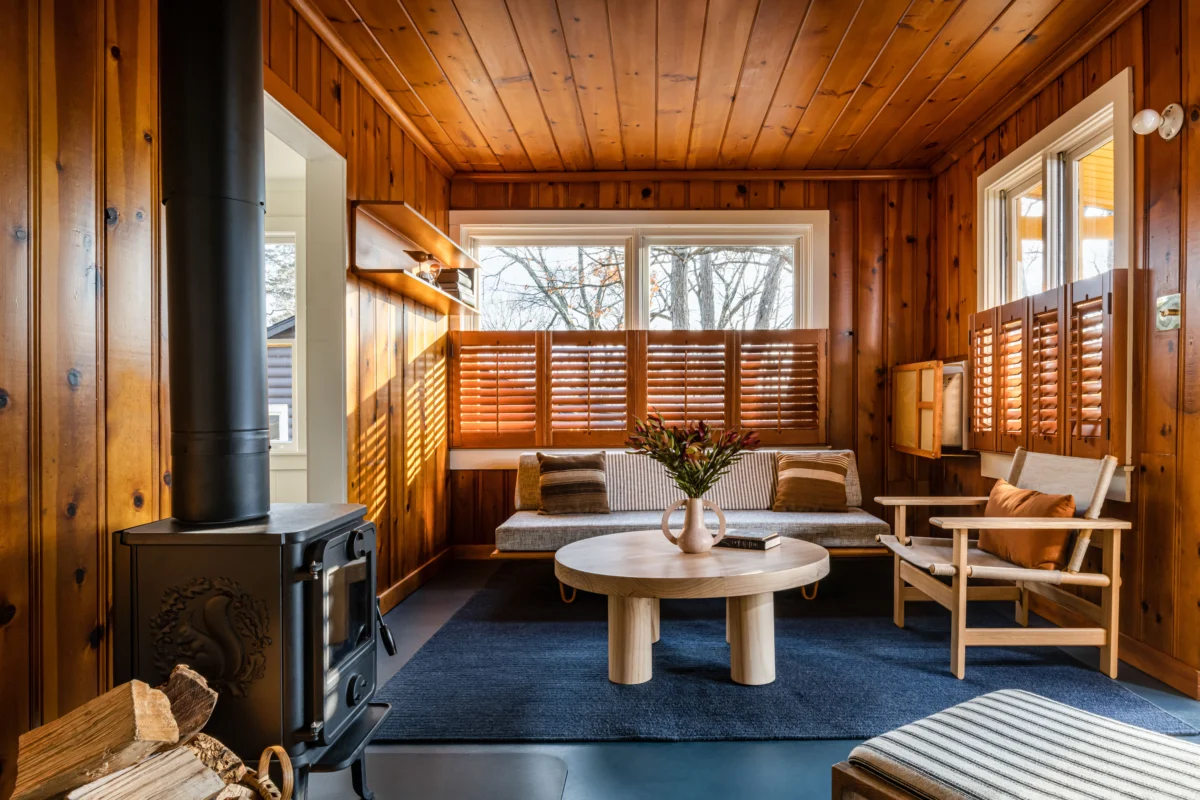
The hospitality landscape of the Hudson Valley and Catskill Mountains is undergoing a significant transformation, characterized by the resurgence of the "cabin colony" model reimagined through a lens of ultra-luxury. This shift represents a departure from traditional hotel stays and isolated vacation rentals, offering a hybridized experience that mirrors the communal spirit of summer camps while providing the amenities of five-star resorts. As urban dwellers increasingly seek nature-centric retreats that do not compromise on comfort, a new generation of developers is revitalizing historic hospitality structures and creating expansive, design-forward estates that emphasize community, wellness, and curated isolation.

Historical Context: From the Borscht Belt to Contemporary Luxury
The Hudson Valley and Catskills regions have served as a primary retreat for New York City residents for over a century. The mid-20th century marked the zenith of the "Borscht Belt," a network of hundreds of hotels, bungalow colonies, and summer camps that primarily served Jewish communities. These establishments, such as Grossinger’s and the Nevele, were defined by a specific spatial model: private sleeping quarters clustered around centralized social hubs, including communal dining halls, theaters, and swimming pools.
The decline of the Borscht Belt began in the 1960s and 1970s, accelerated by the advent of affordable air travel and the cultural shifts following the Civil Rights Movement, which opened other vacation destinations to Jewish travelers. By the late 20th century, many of these iconic properties had fallen into disrepair, documented extensively by photographers and historians as relics of a bygone era of social leisure.

However, the 2020s have seen a revitalized interest in this model. The contemporary "luxury cabin colony" draws directly from the architectural DNA of the mid-century bungalow but replaces the modest accommodations of the past with high-end finishes, gourmet culinary programs, and sophisticated wellness facilities.
The Rise of the Ultra-Luxury Nature Retreat
Leading the current wave of development is Wildflower Farms, an Auberge Collection resort located in Gardiner, New York. Situated on 140 acres, the property features 65 freestanding wood cabins designed to blend into the natural topography. Unlike traditional hotels where guests are contained within a single structure, Wildflower Farms utilizes dirt footpaths to connect guests to various amenities, including a full-service spa, a fitness studio offering yoga and Pilates, and a well-regarded farm-to-table restaurant.

The property exemplifies the "luxury summer camp" ethos by integrating working farmlands into the guest experience. Every morning, guests are invited to participate in walking tours of the nine-acre orchard and farm to interact with livestock. This "unplugged" yet highly regulated environment is designed to bridge the gap between the rugged outdoors and high-end hospitality. Evidence of this luxury tier is reflected in the resort’s partnerships, which include a valet service, a collaboration with Mercedes-Benz, and specialized offerings such as high-value martinis served in artisanal glassware.
Kristin Soong Rappoport, co-owner of Wildflower Farms, noted that the business model was born from a "personal need for more nature as city dwellers." This sentiment is echoed across the industry, as developers identify a market gap for accommodations that provide the privacy of a cabin with the social infrastructure of a resort.

Reimagining the Cabin Colony: Camptown and Eastwind
In Leeds, New York, the property known as Camptown serves as a direct architectural successor to the Borscht Belt colonies. Co-owners Ray Pirkle and Kim Bucci explicitly designed the 22-acre site to honor the social dynamics of the original cottage colonies. With 51 cabins clustered around shared amenities—including a seasonal pool and a 24/7 pantry—the property emphasizes leisure as a social activity.
A key feature of the Camptown experience is the inclusion of Casa Susanna, a modern Mexican restaurant named after a historic Catskills refuge for transgender individuals in the 1950s and 60s. This naming reflects a broader trend among new Hudson Valley developers to acknowledge the region’s diverse cultural history while modernizing its offerings. The interior design of these cabins often features functional elements such as wood-burning stoves, which Pirkle describes as "functional sculpture," moving away from purely aesthetic "glamping" tropes toward a more authentic, albeit curated, rural experience.

Similarly, Eastwind Oliverea Valley in Big Indian, New York, utilizes a "Lushna" cabin model—lofted, minimalist structures that lean into Scandinavian design principles. Creative director Julija Stoliarova emphasizes the balance between "moments of quiet, private retreat" and "communal anchoring." The property layout requires guests to traverse the grounds to reach the sauna, heated pool, or the on-site restaurant, Dandelion, reinforcing a sense of place and environmental immersion.
Market Dynamics and Economic Impact
The expansion of these luxury retreats is supported by strong economic indicators in the Hudson Valley and Catskills tourism sectors. Following the COVID-19 pandemic, the region saw a surge in visitation that has remained consistently higher than pre-2020 levels. According to regional tourism data, the Hudson Valley’s tourism industry contributes billions to the New York State economy annually, with Ulster and Sullivan counties seeing some of the highest growth rates in visitor spending.

The "summer camp" model addresses several current market trends:
- The Demand for Social Connectivity: After years of pandemic-induced isolation, travelers are seeking "social leisure" where they can interact with others in shared spaces while maintaining a private home base.
- Wellness Tourism: The integration of spas, meditation classes, and nature trails aligns with the global growth of the wellness travel market, which is projected to continue expanding at a double-digit rate through 2030.
- Design-Centric Lodging: Today’s luxury traveler prioritizes unique architecture and local craftsmanship. The use of local textiles, regional flora libraries, and artisanal food products in these cabin colonies appeals to this demographic.
Bryan Terzi, Chief Commercial Officer at AutoCamp—a company that has planted luxury Airstreams and cabins in the Catskills and near national parks—describes this as a "distinct spatial model." Terzi argues that traditional hotels often feel "sealed off," while standard vacation rentals can feel "removed." The cabin colony provides a "balance of privacy, thoughtful design, and immediate connection to place and people."

Broader Implications for Regional Development
The influx of high-end cabin colonies has significant implications for the Hudson Valley’s infrastructure and local economy. While these developments bring high-spending tourists and create jobs in the hospitality and agricultural sectors, they also contribute to the rising cost of living and land value in traditionally rural areas.
Furthermore, the "curated remoteness" offered by these resorts represents a new form of environmental consumption. By providing heated floors, rain showers, and valet services in the middle of the woods, these properties allow guests to experience nature without the typical discomforts associated with the outdoors. This has led to a debate among conservationists and locals regarding the "Disneyfication" of the Catskills, where the rural aesthetic is maintained as a backdrop for luxury consumption.

However, many developers are countering these concerns by focusing on sustainability and historical preservation. By repurposing old bungalow sites and focusing on farm-to-table culinary programs that support local growers, properties like Camptown and Wildflower Farms argue they are revitalizing the region’s heritage rather than erasing it.
Conclusion: The Future of the Communal Retreat
The success of properties like Wildflower Farms, Camptown, and Eastwind suggests that the "luxury summer camp" is more than a fleeting trend; it is a structural shift in how urban populations consume nature. By taking the architectural lessons of the Borscht Belt and applying modern luxury standards, these developers have created a sustainable model for rural hospitality that meets the psychological and social needs of the modern traveler.

As the market matures, expect to see further diversification in the "cabin" category, including more affordable entries that maintain the communal spirit without the $500-martini price tag, as well as even more remote, off-grid experiences for those seeking deeper isolation. For now, the Hudson Valley remains the epicenter of this hospitality revolution, proving that the magic of summer camp—belonging, nature, and community—is an enduring draw, provided you don’t have to share a bunk.