Jono Maryono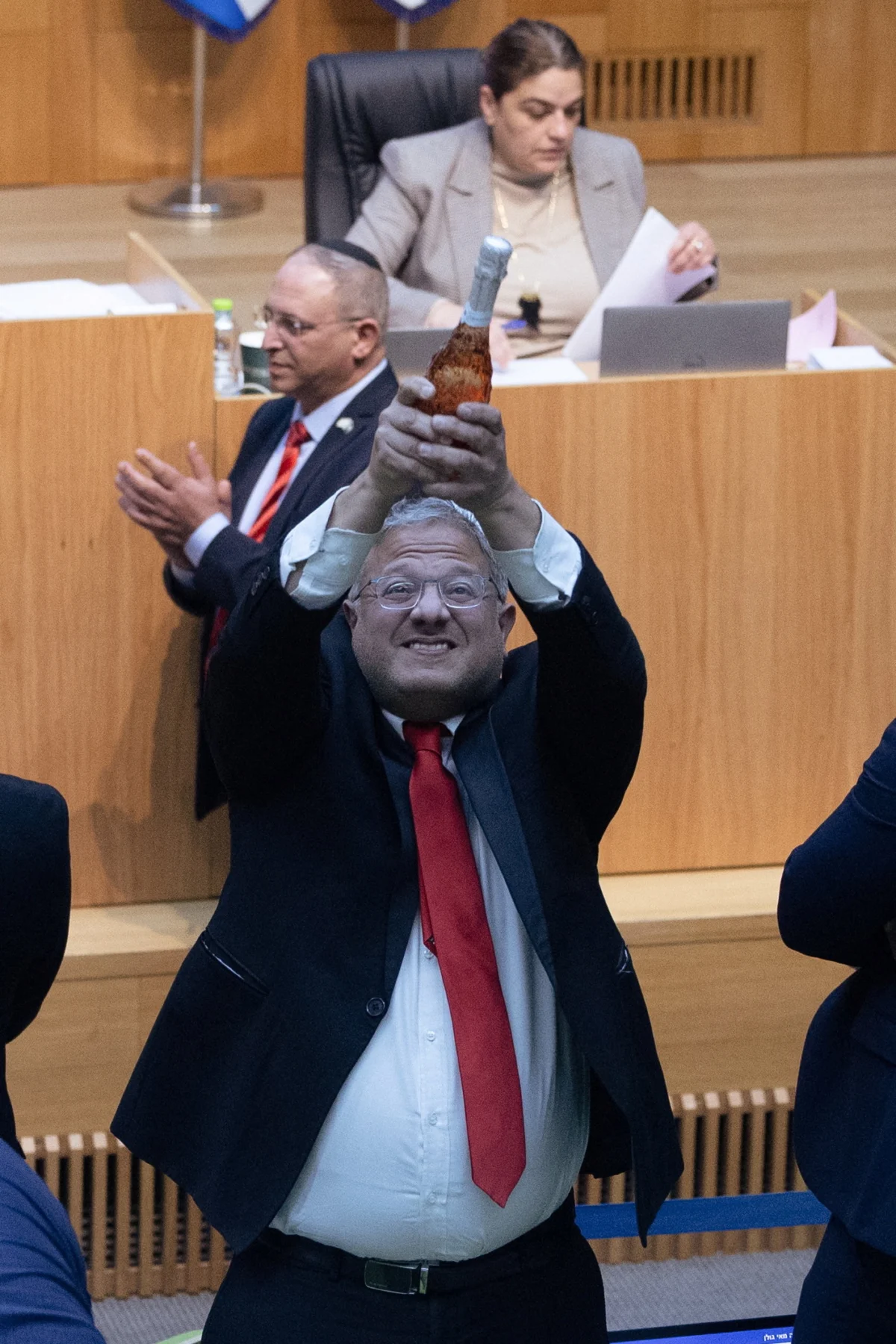
Israel has officially sanctioned the establishment of a specialized military tribunal empowered to try Palestinians accused of involvement in the October 7, 2023, Hamas-led attack, with the authority to impose the death penalty. This legislative move, widely supported across the Israeli political spectrum, has ignited significant concern and criticism from international bodies, human rights organizations, and legal analysts who question the tribunal’s capacity for genuine justice, viewing it instead as a mechanism for retribution against Palestinian detainees.
The devastating impact of the October 7 attacks, which resulted in the deaths of 1,139 individuals and the abduction of 250, has been profoundly amplified within Israel through the relentless dissemination of graphic video evidence. These accounts of atrocities, some of which have been contested or proven false, have been identified by Al Jazeera’s investigative unit as having been instrumental in justifying the subsequent military offensive in Gaza. This offensive, launched in the wake of the October 7 attacks, has led to a tragically high Palestinian death toll, exceeding 72,600 as of recent reports.
The intention behind these trials is starkly evident in the pronouncements of some Israeli parliamentarians. Many have openly expressed their hope for televised proceedings against an estimated 300 detained Palestinians. Human rights organizations assert that a significant number of these detainees are civilians, including prominent figures such as Dr. Hussam Abu Safiya, a hospital director. Reports of physical abuse, including rape, and the deaths of dozens of Palestinians in Israeli detention facilities have further fueled concerns regarding the treatment of these individuals.
Justice Minister Yariv Levin, a key proponent of the tribunal legislation, described its passage as a pivotal moment for the current Knesset, emphasizing the broad cross-party consensus that transcended political divisions, even in the lead-up to elections. He stated, "One can feel that we are doing the right thing by finding a way to unite at this moment, even though we are on the eve of elections and despite all the disagreements that exist."
The Specter of "Victor’s Justice"
The establishment of the tribunal has drawn sharp criticism from the international community. United Nations Human Rights Chief Volker Turk has publicly urged for the repeal of the legislation, arguing that justice cannot be dispensed through processes that fall short of international legal standards. The International Bar Association (IBA) has echoed these concerns, highlighting the inherent risks to fair trial rights. The IBA noted, "This risk [of a lack of a fair trial] is heightened by reports of coercive practices in security-related cases, which can amount to torture or other ill-treatment and lead to unreliable information, false confessions, wrongful convictions, and serious miscarriages of justice."
Leading human rights organizations, including Amnesty International, Human Rights Watch, and the Israeli advocacy group B’Tselem, have also condemned the legal framework underpinning the new tribunal. Yossi Mekelberg, a senior consulting fellow at Chatham House, articulated a widely held sentiment: "People in Israel need justice, but I don’t know if this is it, or if the Israeli state as it currently stands is capable of delivering it." Mekelberg referenced instances such as the filmed abuse of international Gaza flotilla activists by National Security Minister Itamar Ben-Gvir, which went unpunished within Israel. While acknowledging no sympathy for the members of Hamas’s military wing reportedly involved in the October 7 attacks, Mekelberg expressed concern that the tribunal might devolve into an act of vengeance rather than a pursuit of justice, stating, "I worry that this might be vengeance."
A Broad Brush of Blame: Equating Palestinians with "Terrorists"
A consistent narrative advanced by some Israeli politicians has been the collective blame of all Palestinians for the October 7 attacks. Days after the incident, Israeli President Isaac Herzog stated, "It is an entire nation out there that is responsible. It’s not true this rhetoric about civilians not aware, not involved. It’s absolutely not true." This sentiment has been echoed and amplified by government ministers, including Ben-Gvir and Finance Minister Bezalel Smotrich, who have frequently conflated Palestinians with "terrorists" in their public discourse.
Even attempts by Palestinian politicians within the Israeli parliament to speak in Arabic preceding the tribunal legislation were met with derisive shouts of "shame" from the public gallery, underscoring a pervasive association between the Arabic language and support for "terrorism" in some segments of Israeli society.
Hassan Jabareen, founder of the Palestinian legal rights organization Adalah, told Al Jazeera, "We know that Israeli officials blame all of Gaza for October 7. Their president, a supposed moderate, even said it. Gaza is Israel’s collective enemy. This isn’t new." Jabareen pointed to pre-existing legislation that granted the Israeli military legal impunity for actions against individuals in Gaza, suggesting a continuity in policy. He further elaborated on the tribunal’s problematic nature: "Now we have a military tribunal that is allowed to hand down the death penalty based on secret evidence, where the indicted aren’t present throughout the hearings, and none of the typical systems of fairness are applied, and who voted for this? A huge majority in the Knesset did."
Dodging Accountability: The Search for an Inquiry
Despite overwhelming support among Jewish Israelis for the tribunal and punitive measures against Gazans, the Israeli government may find it difficult to evade scrutiny regarding its own role in failing to prevent the October 7 attacks. Public pressure for a comprehensive inquiry into the government’s actions and preparedness on that day continues to mount.
Rom Bralavski, a former captive held in Gaza, has publicly called for the resignation of all members of parliament, holding them accountable for the events of October 7. He urged them to "Take responsibility, and get out of our lives" and declared, "The blood of everyone murdered on October 7 is on your hands." Bralavski also advocated for the establishment of a state commission of inquiry to thoroughly investigate the events and prevent future occurrences.

The question remains whether the televised trials of those accused of orchestrating the October 7 attacks, and the potential for their execution, will serve to deflect these demands for accountability. Political analyst Ori Goldberg suggests that Israeli Prime Minister Benjamin Netanyahu may not be overly concerned with placating his opponents. Goldberg commented, "Netanyahu’s past the stage where he really cares. This is how he operates, and it seems it’s how we allow him to operate. It’s always one more gamble, one more stunt, one more day’s grace to be won." This perspective implies a strategic calculation by the Prime Minister, potentially leveraging the tribunal and its proceedings to manage domestic political pressure and public sentiment.
Background and Chronology of Events
October 7, 2023: Hamas launches a large-scale, unprecedented attack on Israel, involving rocket barrages and ground incursions. Israeli authorities report 1,139 deaths and 250 individuals taken hostage.
October 8, 2023 onwards: Israel declares war on Hamas and begins a sustained military campaign in Gaza.
Early November 2023: Reports emerge of widespread destruction and a rapidly escalating civilian death toll in Gaza.
Late 2023 – Early 2024: Growing international concern over the humanitarian crisis in Gaza and allegations of war crimes by both sides. Calls for de-escalation and humanitarian aid increase.
February 2024: Reports of torture and abuse of Palestinian detainees in Israeli custody begin to surface, alongside accounts of deaths in Israeli prisons.
March – May 2024: Israeli politicians increasingly advocate for harsh punitive measures against those involved in the October 7 attacks, including the death penalty. Discussions intensify regarding legal mechanisms to facilitate this.
May 2024: The Israeli government approves the establishment of a special military tribunal with the power to impose the death penalty for individuals accused of participating in the October 7 attacks. This move is met with widespread international condemnation.
Broader Implications and Analysis
The establishment of this special military tribunal carries significant implications for international law, human rights, and the long-term prospects for peace and reconciliation in the region. By creating a parallel legal system that bypasses established international standards for fair trials, Israel risks undermining the principle of the rule of law and potentially exacerbating existing grievances.
The tribunal’s focus on capital punishment, a practice widely condemned by international human rights bodies, raises particular alarm. The potential for executing individuals based on proceedings that may not meet international due process standards could lead to further accusations of injustice and retribution.
Furthermore, the pervasive narrative of collective blame that appears to underpin the tribunal’s establishment risks alienating the entire Palestinian population and hindering any genuine efforts towards a political resolution. The conflation of all Palestinians with "terrorists" not only misrepresents the complex realities on the ground but also perpetuates cycles of dehumanization that are antithetical to peace.
The international community’s response, while vocal in its criticism, faces the challenge of translating condemnation into concrete action. The effectiveness of international pressure in compelling Israel to reconsider its approach remains to be seen. The situation highlights the ongoing tension between national security imperatives and the fundamental human rights and legal principles that should govern all states, particularly in times of conflict. The long-term consequences of this legislative decision will undoubtedly shape the trajectory of the Israeli-Palestinian conflict for years to come.