Danny Garick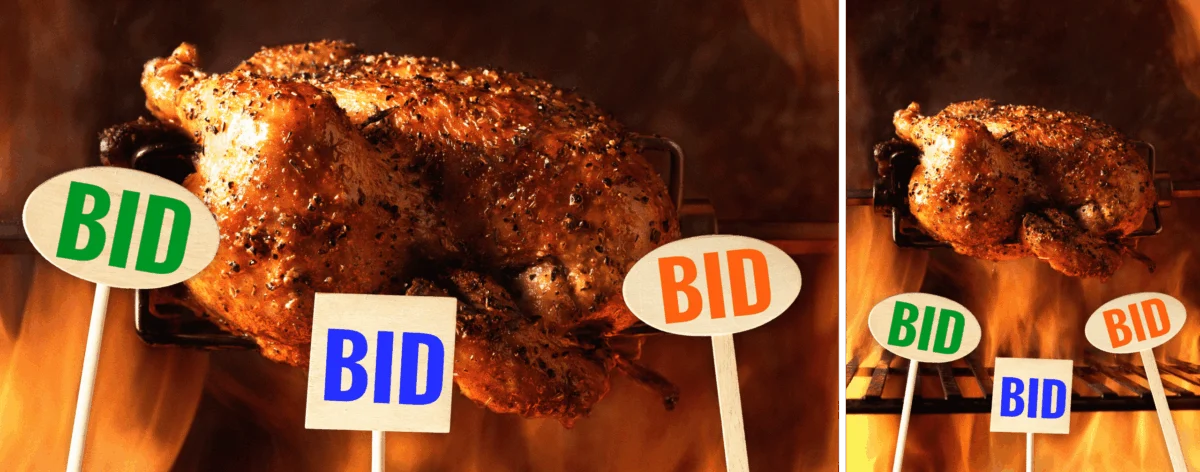
The emergence of a $77 rotisserie chicken on a newly posted menu in Brooklyn has ignited a localized debate with national implications, serving as a flashpoint for broader conversations regarding inflation, the wealth gap, and the sustainability of the independent restaurant model. Located in a borough traditionally known for its diverse and accessible food scene, the establishment, Gigi’s, has become the center of a viral controversy that pits the rising costs of ethical sourcing and fair labor against the public’s expectation of affordability for a staple dish often referred to as "the people’s protein."
The controversy began in earnest when food influencer Mike Chau shared a photograph of the menu, noting that a half chicken at the establishment was priced at $40. The reaction was immediate and widespread. On social media platforms, "keyboard warriors" expressed outrage, while local political figures joined the fray. New York City Council Member Chi Osse, who represents an adjacent district, posted a widely shared meme questioning the validity of a $40 half chicken at a neighborhood wine bar. Despite the digital backlash, the restaurant reported that its reservations for April were fully booked almost instantly, highlighting a stark divide between online sentiment and the spending habits of a specific demographic within the city.
The Anatomy of a $77 Chicken: Sourcing and Preparation
To understand the pricing of the $77 whole chicken—which is served with roasted Norwich Farm potatoes and a trio of artisanal sauces—one must examine the supply chain and operational costs associated with modern "farm-to-table" dining. According to the restaurant’s owner, Hugo Hivernat, the chickens are sourced from a small-scale farm in upstate New York. These birds are purchased by the restaurant at a wholesale price of approximately $13 to $14 each. In contrast, mass-produced chickens found in large supermarket chains are often sold to consumers for less than half of that wholesale cost, frequently serving as "loss leaders" to drive foot traffic.
The preparation process at Gigi’s is labor-intensive, involving a 24-hour brining and chilling cycle followed by slow-roasting in a specialized, high-end rotisserie oven. Chef Thomas Knodell utilizes the drippings to create a house-made jus, a process that requires additional time and culinary skill. Furthermore, the accompaniment of organic potatoes from Norwich Farm adds to the raw ingredient cost, as these are premium products compared to standard commercial produce.
Beyond the ingredients, Hivernat emphasizes that the pricing reflects a commitment to equitable labor practices. The staff at Gigi’s are reportedly paid what the owner describes as a "fair wage," which includes benefits such as paid time off and health insurance—amenities that have historically been rare in the hospitality industry but are becoming increasingly necessary to attract and retain talent in a competitive labor market. Hivernat has pushed back against the "wealthy restaurateur" trope, stating that he is an "everyday person" rather than a mogul, and that the prices are a direct reflection of the current economic reality of operating a small business in New York City.
A Comparative Analysis of the New York Poultry Market
The $77 price point, while shocking to many, is not an isolated phenomenon in the New York City dining landscape. A survey of the city’s culinary offerings reveals a wide spectrum of pricing for roast and rotisserie chicken, often dictated by location, ambiance, and sourcing.
On the ultra-luxury end of the spectrum, Chez Fifi, a French brasserie located in an Upper East Side townhouse, serves a poulet rôti for $78, accompanied by foie gras jus and pommes Fifi. In SoHo, the bistro King offers a chargrilled half chicken for $85. These establishments cater to a high-net-worth clientele where the price is often secondary to the exclusivity and prestige of the dining experience.
In the mid-tier market, Badaboom, a French restaurant in Bedford-Stuyvesant, offers a whole rotisserie chicken with potatoes for $58. Co-owner Henry Glucroft notes that while $16 per person for a shared half-chicken dinner represents a significant value in the context of New York dining, the public perception remains skewed by the availability of "artificially cheap" mass-produced poultry. To address this, Badaboom has experimented with "pay what you think is fair" evenings to engage the community in a dialogue about food costs.

Conversely, the "Five Buck Cluck" at Jubilee Market, located near Gigi’s, remains a local staple for budget-conscious residents. Similarly, Pio Pio, a popular Peruvian rotisserie chain, offers a whole chicken for $28, while The Fly, a trendy Brooklyn spot, charges $34. These variations highlight the "pecking order" of the city’s food economy, where the same biological product can fluctuate in price by over 1,000% depending on the venue.
Macroeconomic Factors and the Affordability Crisis
The "chicken controversy" is a microcosm of a larger crisis facing the United States restaurant industry. According to data from the Bureau of Labor Statistics, the Consumer Price Index (CPI) for "food away from home" increased significantly over the past 24 months, outpacing general inflation in several quarters. Several factors contribute to this trend:
- Poultry Supply Volatility: Avian influenza outbreaks and rising feed costs have fluctuated the price of poultry at the wholesale level. Small farms, which lack the economies of scale enjoyed by industrial producers, are particularly vulnerable to these shifts.
- Labor Costs: In New York City, the minimum wage for fast-food and tipped workers has seen steady increases. Combined with the rising cost of living in the five boroughs, restaurants must offer higher wages to ensure their employees can afford to live within commuting distance of their jobs.
- Real Estate and Utilities: Commercial rents in gentrifying neighborhoods like Greenpoint and Williamsburg remain at historic highs. Additionally, the cost of utilities—gas for ovens and electricity for refrigeration—has surged, adding thousands of dollars to monthly overhead.
- Insurance and Regulation: Small business owners frequently cite the rising cost of commercial liability insurance and the complexities of New York’s regulatory environment as "hidden" costs that must eventually be passed on to the consumer.
Social and Political Implications
The public outcry over the $77 chicken also touches on the sensitive issue of gentrification. As "cool new spots" move into historically working-class or middle-class neighborhoods, the pricing of basic items can feel like a barrier to entry, effectively "pricing out" long-term residents from their own community spaces.
Council Member Chi Osse’s involvement underscores the political dimension of the issue. While the restaurant owner, Hivernat, has reached out to Osse’s office to discuss the prohibitive costs of running a business, the initial friction highlights a disconnect between the city’s legislative goals and the economic survival of small businesses. The discourse suggests that without systemic changes—such as commercial rent control or subsidized utility rates for small businesses—the independent restaurant may soon become a luxury reserved only for the wealthy.
The Future of the Neighborhood Restaurant
As Gigi’s considers rebranding the dish as a "chicken set" to perhaps soften the psychological blow of the $77 price tag, the broader question remains: Is the traditional neighborhood restaurant still a viable business model?
Industry analysts suggest that we are witnessing a bifurcation of the dining market. On one side are the high-volume, low-cost establishments and "ghost kitchens" that prioritize efficiency and price. On the other are the "experience-driven" restaurants that emphasize sourcing, labor ethics, and ambiance, but require high price points to remain solvent.
The "middle ground"—the affordable, high-quality neighborhood spot where one could be a "regular"—is increasingly under threat. If a whole chicken, a dish synonymous with home-style comfort and economy, becomes a $77 investment, the cultural role of the restaurant may shift from a community hub to a "special occasion" destination for the average citizen.
Ultimately, the $77 rotisserie chicken is more than a menu item; it is a data point in a shifting economic landscape. It represents the collision of ethical consumption, rising operational costs, and a public that is increasingly fatigued by the high cost of urban living. Whether the market will continue to support these prices or demand a return to more accessible dining remains to be seen, but for now, the tables at Gigi’s remain full, even as the debate rages on the sidewalk outside.