Danny Garick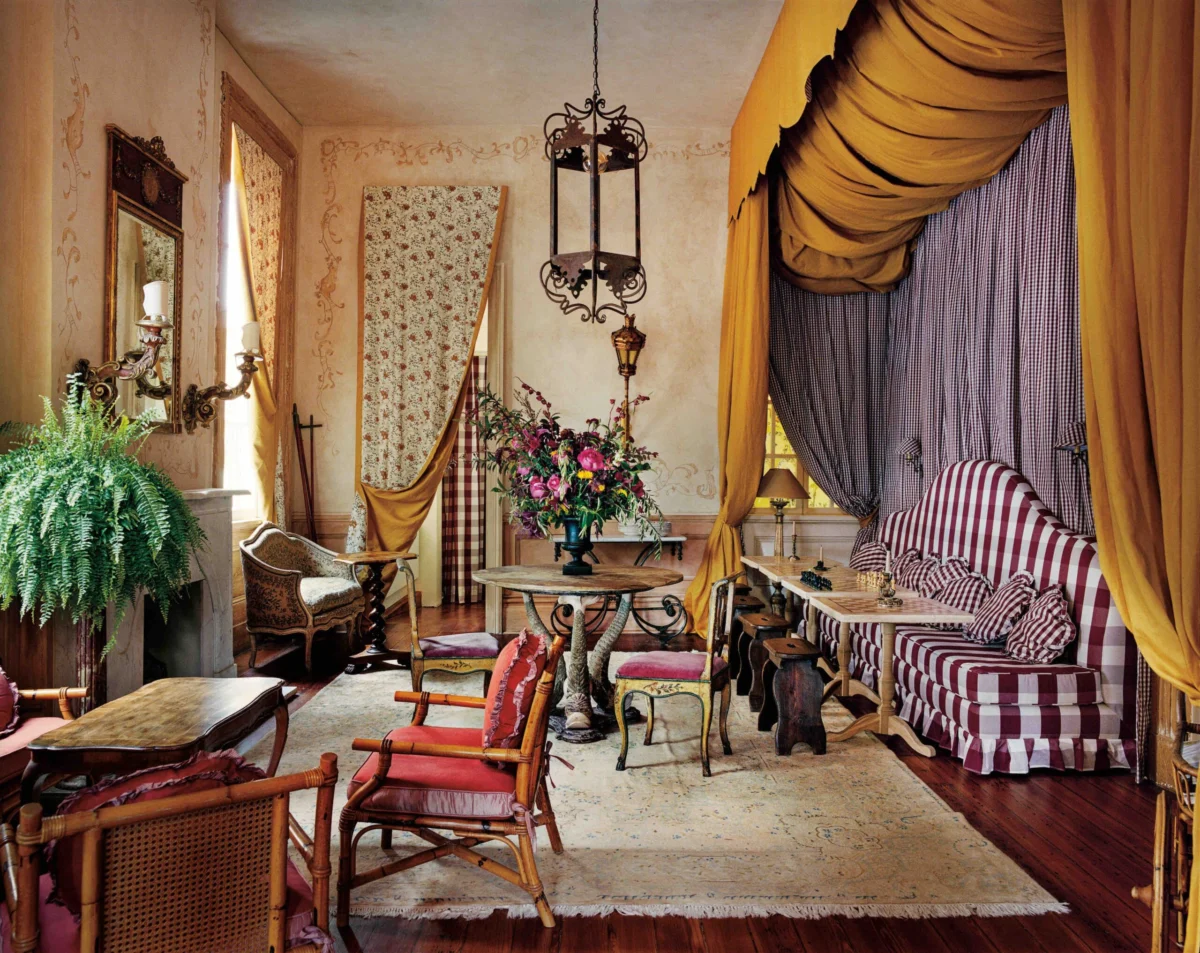
New Orleans has maintained a reputation as a premier culinary destination for over six decades, historically anchored by institutions such as Café du Monde and Commander’s Palace. However, the city is currently experiencing a significant diversification of its gastronomic and hospitality sectors. While the foundational pillars of Cajun, Creole, and soul food remain central to the city’s identity, a new wave of inventive contemporary Mexican, West African, and Indian cuisines is reshaping the local economy. This evolution is mirrored in the hospitality industry, where the rise of boutique hotels and luxury riverfront developments is catering to a more nuanced demographic of international and domestic travelers.
The Evolution of a Global Food Capital
The trajectory of New Orleans as a food-centric travel hub can be traced back to the mid-20th century. Commander’s Palace, established in the late 19th century but rising to national prominence in the 1960s and 70s, set the standard for "Haute Creole" cuisine. Its iconic pecan-crusted gulf fish remains a benchmark for the region’s seafood-forward culinary tradition. Similarly, Café du Monde has served as a cultural touchstone since 1862, specializing in dark-roasted coffee with chicory and powdered-sugar-dusted beignets.
In the 21st century, particularly in the post-Katrina era, the city’s culinary map has expanded beyond these traditional boundaries. The influx of diverse immigrant populations and young culinary entrepreneurs has introduced a globalized palate. Modern New Orleans is as much defined by its traditional gumbo as it is by the savory Parmesan-and-chive biscuits at Ayu Bakehouse or the innovative fusion of West African spices now appearing in neighborhood bistros. This shift represents a broader trend in urban tourism where authenticity is defined not just by history, but by the continuous integration of new cultural influences.
.jpg)
Strategic Revitalization of the Marigny and French Quarter
The Marigny neighborhood, located just downriver from the French Quarter, has transitioned from a quiet residential enclave to a critical hub for artisanal food production. Establishments like Ayu Bakehouse represent the "grab-and-go" culture that supports the neighborhood’s pedestrian-heavy lifestyle. Their offerings, such as the kaya bun served with chili oil, illustrate the city’s willingness to embrace Southeast Asian flavors within a traditional bakery framework.
Further into the French Quarter, the preservation of local heritage continues through businesses like Loretta’s Pralines. Loretta Harrison, the first African American woman to successfully own and operate a praline company in New Orleans, expanded the definition of the city’s most famous confection. Beyond the traditional sugar-and-pecan patty, the establishment introduced "praline beignets" and savory iterations stuffed with crabmeat or cheeseburger filling, bridging the gap between street food and gourmet treats.
Tourism data indicates that while the historic Jackson Square remains a primary draw, savvy visitors are increasingly seeking "hidden gems" to avoid overcrowding. For instance, the Café du Monde outpost in City Park has seen a rise in patronage due to its indoor seating and shorter wait times compared to the original French Market location. This geographic dispersion of tourists helps mitigate "overtourism" in the French Quarter while stimulating the economies of surrounding districts.
Hospitality Infrastructure and the Rise of Luxury Boutique Lodging
The hospitality landscape in New Orleans is undergoing a period of intense capital investment, characterized by the "adaptive reuse" of historic structures. A primary example is Hotel Peter and Paul in the Marigny. The property, which opened in late 2018, occupies a 19th-century Catholic school and church campus. Managed by the design firm Ash NYC, the restoration maintained the architectural integrity of the rectory and nunnery while modernizing the guest experience.
.jpg)
Industry analysts note that the "boutique" model—emphasizing local maps, custom-blended toiletries, and site-specific history—appeals to the Millennial and Gen Z demographic, which prioritizes unique aesthetic experiences over standardized luxury. Within this property, the Elysian Bar has become a destination in its own right, offering sophisticated menu items like snapper crudo with marinated grapes and the "Dearly Beloved" cocktail, a complex blend of green chili vodka and butterfly pea flower.
Conversely, the riverfront has seen a return to traditional high-end luxury with the opening of the Four Seasons Hotel New Orleans. Situated at the foot of Canal Street, this development represents a major economic commitment to the city’s central business district. The hotel features two chef-driven restaurants—Miss River by Alon Shaya and Chemin à la Mer by Donald Link—further cementing the link between luxury lodging and elite gastronomy. The "Chandelier Bar," featuring 15,000 crystals, serves as a focal point for both hotel guests and local professionals, indicating a successful integration of private investment into the city’s social fabric.
Economic Impact of the Central Business District Revitalization
The Central Business District (CBD) and the adjacent Warehouse District have seen a surge in "lifestyle" hotels. The Windsor Court, modeled after an English estate, remains a staple for high-end travelers, particularly known for its traditional tea service at Le Salon. This "no passport required" approach to British luxury has proven resilient, especially during the "Holiday Tea" season, which drives significant seasonal revenue.
The arrival of Virgin Hotels New Orleans has introduced a more "quirky" and "colorful" design language to the CBD. Under the culinary direction of Chef Chris Borges, the Commons Club and the rooftop pool bar cater to a younger, design-conscious crowd. This variety in lodging options—from the traditional elegance of the Windsor Court to the bold, red-hued interiors of the Virgin—reflects a maturing market that can support multiple luxury tiers simultaneously.

According to data from the New Orleans Tourism and Cultural Fund, the hospitality sector accounts for a substantial portion of the city’s tax base. The diversification of hotel types ensures that the city remains competitive with other Southern hubs like Charleston and Nashville, which have also invested heavily in boutique and luxury infrastructure.
Preserving Tradition in the Garden District and Uptown
While the CBD and Marigny focus on revitalization, the Garden District and Uptown neighborhoods serve as the guardians of the city’s traditional Creole-Italian and soul food identities. Surrey’s Cafe and Juice Bar continues to provide "shotgun home" style breakfast experiences, focusing on fresh seasonings and local seafood.
Magazine Street, a six-mile stretch of retail and dining, is anchored by establishments like Gris-Gris. The restaurant’s menu, featuring heavy, sustaining dishes like double-cut pork chops and chicken gizzard grillades, reflects the "hunting camp" culinary traditions of rural Louisiana translated for an urban setting.
Perhaps most significant is Pascal’s Manale, which has operated since 1913. As the birthplace of "barbecue shrimp"—a dish that is sautéed in a peppery butter sauce rather than grilled—the restaurant represents a specific sub-genre of New Orleans cuisine: Creole Italian. This historic preservation is complemented by Charlie’s Steakhouse, where the absence of a physical menu highlights a "word-of-mouth" service model that has persisted for decades. These institutions provide a necessary counterweight to the city’s newer, more experimental eateries, ensuring that the "New Orleans Brand" remains rooted in its history.

The Socio-Economic Implications of Adaptive Reuse
The transformation of Hotel Saint Vincent in the Lower Garden District from a 19th-century orphanage into a boutique hotel illustrates the complex socio-economic dynamics of modern New Orleans. Unlike hotels designed strictly for tourists, Saint Vincent has cultivated a "local-first" atmosphere with its Chapel Club and Italian restaurant, San Lorenzo.
The Chloe, a 19th-century mansion on Saint Charles Avenue, offers a similar blend of romance and local immersion. With only 14 rooms, it emphasizes intimacy and "slow tourism." The inclusion of locally made Oxalis Apothecary toiletries and a 24-hour pool for guests highlights a shift toward "wellness" and "curated comfort."
Analysts suggest that this trend of "adaptive reuse" is a double-edged sword. While it preserves historic buildings that might otherwise fall into disrepair, it also signals the ongoing gentrification of historic districts. However, from a purely economic standpoint, these developments have increased property values and created high-skill jobs in the culinary and hospitality management sectors.
Conclusion: The Future of the Crescent City’s Tourism Economy
The data suggests that New Orleans is successfully navigating a transition from a "party destination" to a "sophisticated global city." The integration of diverse international cuisines alongside time-honored Creole institutions creates a resilient culinary ecosystem. Simultaneously, the expansion of the hotel sector—ranging from the English-style Windsor Court to the design-forward Hotel Peter and Paul—allows the city to capture a wide range of traveler profiles.

Industry experts believe that the continued success of New Orleans depends on its ability to maintain this balance. As long as the city can support both the "hidden gems" of the Marigny and the "pure luxury" of the Four Seasons, its position as a top-tier global destination remains secure. The evolution of the city’s food and lodging is not merely a change in scenery; it is a calculated expansion of the New Orleans identity for a 21st-century audience.
The ongoing investment in neighborhood-specific dining and boutique lodging suggests that the future of New Orleans tourism lies in the "hyper-local" experience. By encouraging visitors to explore beyond the French Quarter and into the residential heart of the city, New Orleans is fostering a more sustainable and economically diverse tourism model that benefits both the visitor and the local resident alike.