Nila Kartika Wati
The global fragrance industry is experiencing a significant shift, with consumers increasingly seeking out more sophisticated and evocative scents. This trend is particularly evident in the growing popularity of "gourmand" fragrances, a category characterized by notes that mimic edible ingredients like vanilla, chocolate, caramel, and fruit. Far from being simple sweet confectionary scents, these modern iterations are becoming more complex, drawing inspiration from the nuanced artistry of haute cuisine. Brands like Moëhr are at the forefront of this olfactory evolution, translating the sensory experience of fine dining into sophisticated perfumes that appeal to a discerning clientele.
The Shifting Landscape of Scent Preference
For years, the fragrance market has been dominated by floral, woody, and oriental profiles. However, recent market analyses indicate a growing consumer appetite for fragrances that evoke comfort, indulgence, and a sense of personal pleasure. The gourmand category, once considered a niche segment, has steadily climbed in prominence. According to a report by Grand View Research, the global fragrance market size was valued at USD 51.5 billion in 2022 and is projected to expand at a compound annual growth rate (CAGR) of 5.9% from 2023 to 2030. Within this expansive market, niche and artisanal perfumery, including sophisticated gourmands, are showing particularly robust growth. This surge is attributed to a desire for unique olfactory experiences that move beyond mass-market offerings.
The appeal of gourmand notes lies in their inherent warmth, familiarity, and often, their association with positive memories and sensory indulgence. However, the contemporary interpretation goes beyond a simple sweetness. Today’s gourmand fragrances are meticulously crafted, incorporating complex layering and unexpected combinations to create scents that are both delicious and refined. This involves skilled perfumers blending familiar sweet notes with spices, woods, resins, and even savory elements, mirroring the intricate flavor profiles found in high-end culinary creations.
Moëhr: A Culinary Muse in Perfumery
Brands like Moëhr exemplify this refined approach to gourmand perfumery. The brand explicitly draws inspiration from haute cuisine, aiming to capture the essence of culinary artistry in its scent collections. This involves translating the textures, aromas, and even the emotional resonance of expertly prepared dishes into olfactory compositions. For instance, a Moëhr fragrance might evoke the rich bitterness of dark chocolate infused with a hint of exotic spice, or the creamy sweetness of a vanilla bean elevated by the subtle tang of a rare fruit.
The creative process behind such fragrances often involves a deep understanding of both perfumery and gastronomy. Perfumers working in this space are likely to collaborate with chefs or draw heavily from culinary trends. They meticulously select raw materials that offer not just a scent profile, but also a narrative, much like a chef curates ingredients to tell a story on a plate. This approach elevates gourmand fragrances from mere pleasant aromas to complex sensory narratives, inviting the wearer on a journey of taste and smell.
The Evolution of Gourmand Ingredients
The "addictive" nature of gourmand ingredients has long been recognized in perfumery. Vanilla, in its myriad forms from Madagascar to Tahitian, remains a cornerstone, offering creamy, sweet, and sometimes smoky facets. Cocoa and chocolate notes provide a rich, decadent depth, while caramel and tonka bean lend a warm, sugary sweetness. However, the sophistication now lies in the execution and the novel pairings.
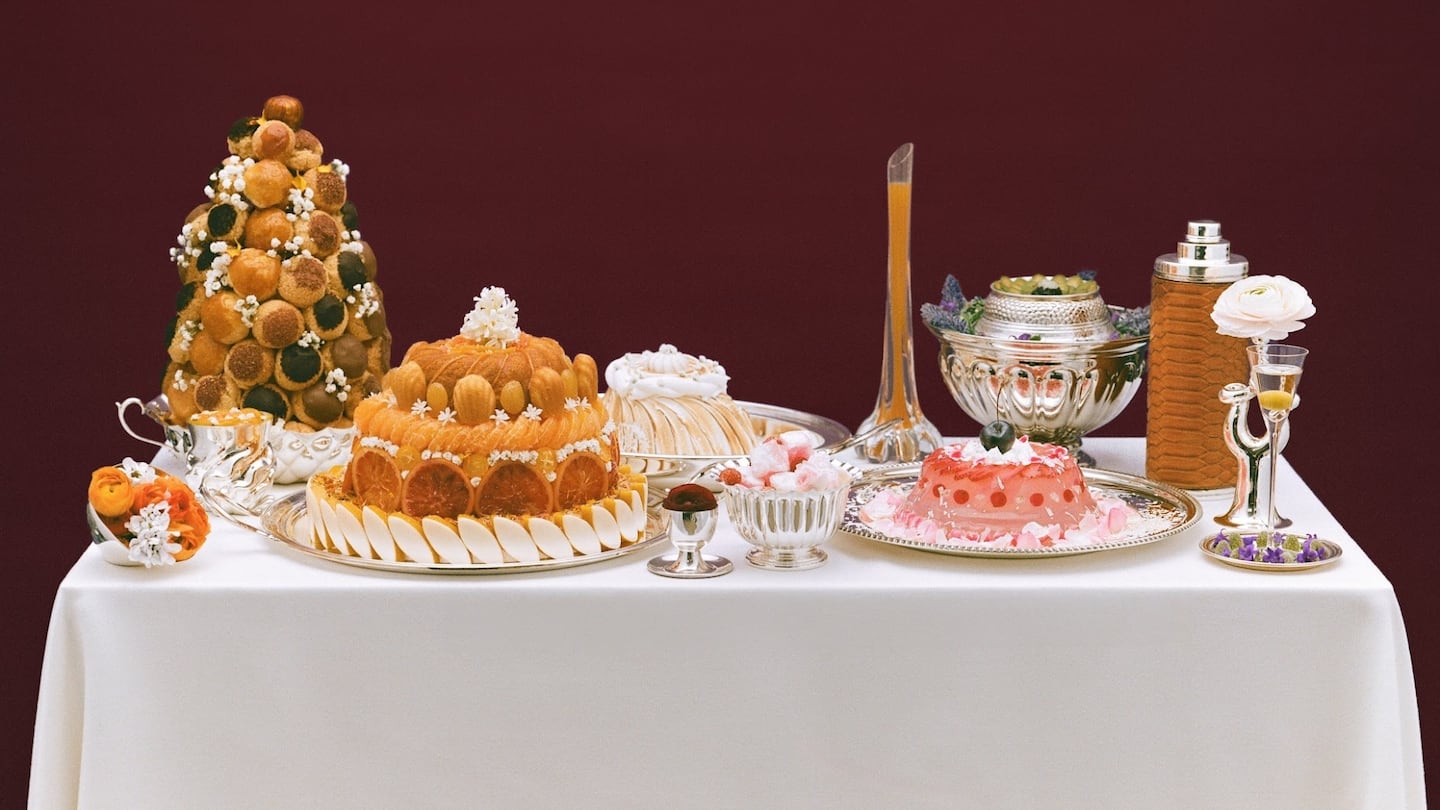
Modern gourmand fragrances might feature:
- Spiced Fruits: The warmth of cinnamon, cardamom, or star anise paired with ripe berries, poached pears, or candied citrus.
- Savory Undertones: A surprising hint of sea salt, coffee, or even a subtle smoky note to balance intense sweetness and add complexity.
- Nutty Accents: Toasted almond, hazelnut, or pistachio notes can add a roasted depth and textural richness.
- Boozy Infusions: Rum, cognac, or liqueur notes can introduce a sophisticated, mature sweetness with woody or smoky nuances.
- Creamy Textures: The inclusion of notes like milk, whipped cream, or even a delicate butter accord can create a smooth, enveloping olfactory sensation.
This evolution reflects a broader shift in consumer preferences towards authenticity, craftsmanship, and unique experiences. As consumers become more educated about fragrance ingredients and composition, they seek out brands that offer more than just a pleasant scent – they seek a story, a concept, and an artful creation.
The Influence of Culinary Trends
The rise of gourmand fragrances is inextricably linked to the global culinary landscape. The increased visibility and appreciation for high-quality food, artisanal ingredients, and innovative cooking techniques have undoubtedly influenced consumer perceptions of scent. The "foodie" culture, amplified by social media and culinary television, has made people more attuned to the nuances of flavor and aroma. This heightened sensory awareness naturally extends to the realm of perfumery.
Furthermore, the concept of "farm-to-table" and the emphasis on ingredient provenance in cuisine resonate with the growing demand for transparency and quality in the beauty industry. Consumers are increasingly interested in the origin and ethical sourcing of fragrance ingredients, mirroring their concerns about food. Brands that can highlight the quality and unique character of their fragrance components, much like a chef touts the origin of their produce, are likely to gain favor.
Broader Market Implications
The ascendancy of sophisticated gourmand fragrances has several key implications for the beauty industry:
- Niche Market Growth: It fuels the expansion of the niche and artisanal fragrance sector, challenging established luxury houses to innovate and differentiate.
- Consumer Education: It encourages consumers to explore more complex scent profiles and to engage with perfumery on a deeper, more intellectual level.
- Cross-Industry Collaboration: It opens avenues for collaboration between perfumers and chefs, potentially leading to innovative product lines and marketing campaigns that bridge the gap between gastronomy and fragrance.
- Ingredient Innovation: It drives research and development into new ways to extract, process, and synthesize fragrance ingredients that offer novel olfactory experiences.
- Marketing Strategies: Brands will need to develop sophisticated storytelling and marketing approaches that highlight the artistry, inspiration, and quality of their gourmand offerings, moving beyond simple descriptions of notes.
The Future of Scent
The trend towards refined gourmand fragrances suggests a future where scent is increasingly viewed as an art form, deeply intertwined with other sensory experiences. As consumers continue to seek out authenticity, craftsmanship, and personal indulgence, the allure of fragrances that capture the essence of exquisite culinary creations is set to grow. Brands that can masterfully blend delectable notes with sophisticated perfumery techniques will likely define the next chapter in the evolution of scent, offering wearers not just a fragrance, but a truly immersive sensory experience. The connection between what we eat and what we wear, at least olfactorily speaking, is becoming increasingly delicious and complex.