Johny Marice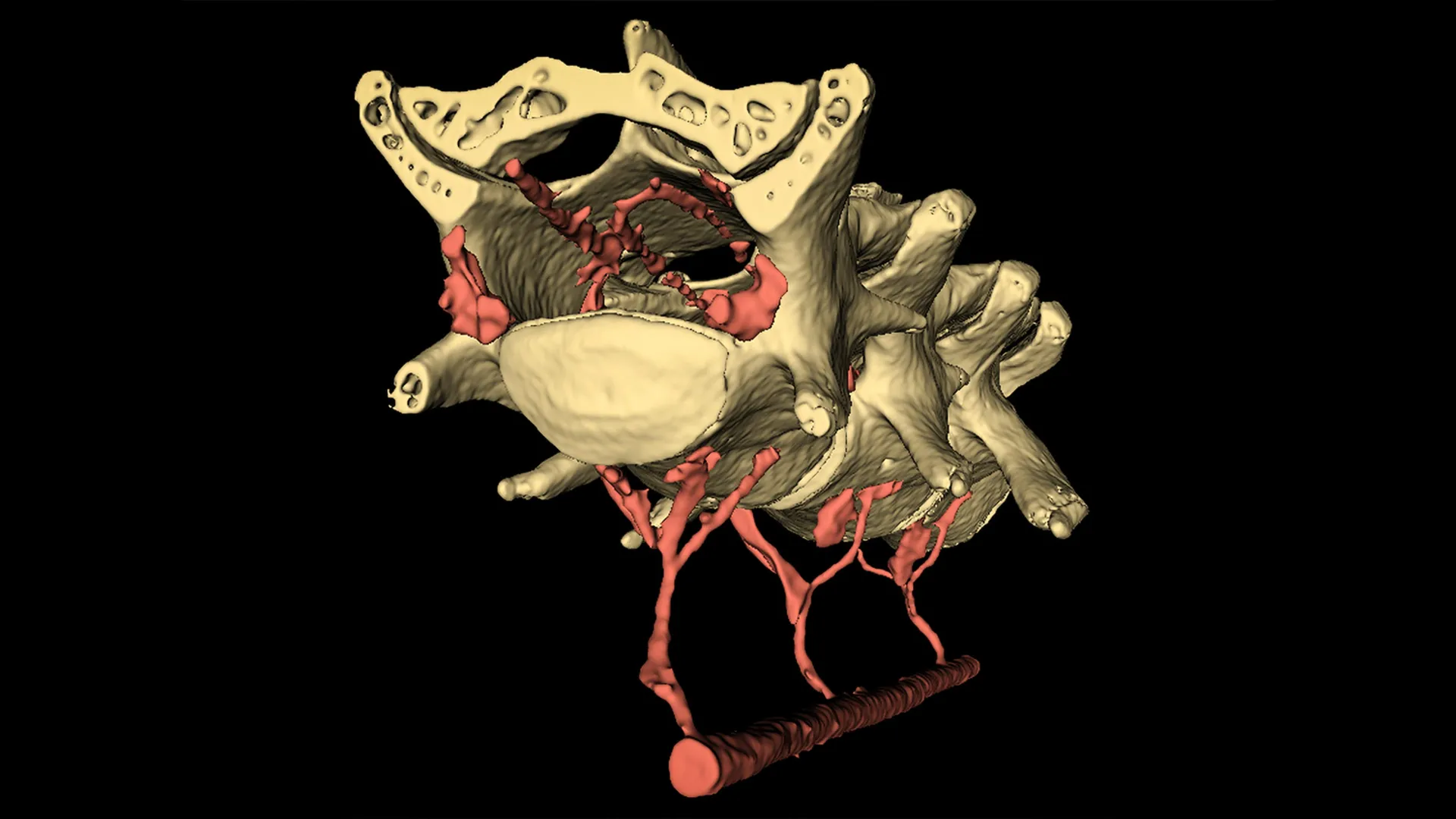
Scientists have uncovered a previously underestimated physical connection between the body and the brain, offering a compelling new explanation for why physical activity is a cornerstone of brain health. Published on April 27th in the esteemed journal Nature Neuroscience, groundbreaking research utilizing experiments in mice and sophisticated computer simulations has illuminated a subtle yet significant mechanism by which bodily movement directly influences the brain’s ability to maintain its optimal function.
The core of this discovery lies in the intricate interplay between the body’s musculature and the delicate environment within the skull. Researchers have demonstrated that when abdominal muscles contract, they exert pressure on the blood vessels connected to the spinal cord and, consequently, the brain. This seemingly minor internal pressure results in a subtle, physical shift of the brain within the cranial cavity. Crucially, this gentle motion appears to be instrumental in facilitating the movement of cerebrospinal fluid (CSF) across the brain’s surface. This fluid flow is hypothesized to play a vital role in clearing metabolic waste products that, if allowed to accumulate, can disrupt normal neurological processes and contribute to neurodegenerative conditions.
The Mechanical Link: How Movement Cleanses the Brain
Patrick Drew, a distinguished professor at Penn State University with joint appointments in engineering science and mechanics, neurosurgery, biology, and biomedical engineering, spearheaded this research. His work builds upon existing knowledge regarding the impact of sleep and neuronal loss on CSF flow dynamics. "Our research explains how just moving around might serve as an important physiological mechanism promoting brain health," Professor Drew stated in a press release. "In this study, we found that when the abdominal muscles contract, they push blood from the abdomen into the spinal cord, just like in a hydraulic system, applying pressure to the brain and making it move."
This hydraulic analogy, where the abdominal muscles act as a pump, is central to understanding the mechanism. Even everyday, seemingly minor actions, such as bracing one’s core before standing or taking a step, engage these abdominal muscles. The resulting pressure is then transmitted through the vertebral venous plexus, a complex network of veins that links the abdominal region to the spinal cavity. This transmission ultimately leads to the observed, albeit slight, movement of the brain.
The implications of this discovery are far-reaching, suggesting that the very act of engaging in physical activity, even at a low intensity, can contribute to a more efficient waste removal system within the brain. This is particularly relevant in the context of aging and the increasing prevalence of neurodegenerative diseases such as Alzheimer’s and Parkinson’s, which are often associated with the buildup of toxic protein aggregates.
Illuminating the Invisible: Imaging Brain Motion
To visualize this subtle but critical process, the research team employed cutting-edge imaging techniques on moving mice. Two-photon microscopy allowed for detailed, real-time imaging of living tissues, providing a microscopic view of cellular and fluid dynamics. Complementing this, microcomputed tomography (micro-CT) offered high-resolution three-dimensional reconstructions of entire organs, enabling a comprehensive anatomical understanding.
The imaging studies yielded compelling evidence. Researchers observed that the brain would subtly shift its position immediately before the animals initiated movement, a phenomenon that occurred directly after the abdominal muscles contracted to enable locomotion. This temporal correlation strongly suggested a causal link between abdominal muscle activation and brain displacement.
To unequivocally confirm the role of abdominal pressure, the scientists conducted a crucial experiment. They applied gentle, controlled pressure to the abdomens of lightly anesthetized mice, ensuring that no other form of movement was involved. The pressure levels used were deliberately kept lower than those typically experienced during a standard blood pressure test. Astonishingly, even this mild external pressure was sufficient to induce a measurable movement of the brain within the skull.
"Importantly, the brain began moving back to its baseline position immediately upon relief of the abdominal pressure," Professor Drew highlighted. "This suggests that abdominal pressure can rapidly and significantly alter the position of the brain within the skull." This finding underscored the sensitivity of the brain’s position to internal pressure fluctuations and the efficiency of the hydraulic mechanism.
Simulating the Flow: Unraveling CSF Dynamics
With the physical mechanism of brain movement firmly established, the next critical step was to understand how this motion influenced the flow of cerebrospinal fluid. At the time of the research, existing imaging technologies struggled to capture the rapid and intricate dynamics of CSF with the necessary detail. This presented a significant challenge, necessitating the development of novel approaches.
The interdisciplinary nature of the Penn State team proved instrumental. "Luckily, our interdisciplinary team at Penn State was able to develop these techniques, including conducting the imaging experiments of living mice and creating computer simulations of fluid motion," Professor Drew explained. "That combination of expertise is so important for understanding these types of complicated systems and how they impact health."
Francesco Costanzo, a professor of engineering science and mechanics, biomedical engineering, mechanical engineering, and mathematics, led the complex modeling efforts. He described the unique challenges inherent in simulating fluid flow within and around the brain, noting the presence of simultaneous, independent movements alongside time-dependent, coupled movements. The intricate physics involved in fluid particles crossing the numerous membranes within the brain added further complexity.
To simplify this complex system for simulation purposes, the team adopted a conceptual model. They likened the brain’s internal structure to that of a sponge, characterized by a soft, porous framework through which fluids can permeate. This "sponge-like" analogy allowed them to simulate how fluid travels through spaces of varying sizes, mirroring the complex folds of the brain and the pores of a sponge.
"Keeping with the idea of the brain as a sponge, we also thought of it as a dirty sponge — how do you clean a dirty sponge?" Professor Costanzo mused. "You run it under a tap and squeeze it out. In our simulations, we were able to get a sense of how the brain moving from an abdominal contraction can help induce fluid flow over the brain to help clear waste products." This analogy powerfully illustrates how the mechanical action of the brain, driven by bodily movement, can effectively "squeeze" waste products out, akin to wringing out a sponge.
Implications for Brain Health and Disease Prevention
While further research is necessary to fully translate these findings to human physiology, the implications for brain health and disease prevention are profound. The study suggests that routine, everyday movements, even those that appear insignificant, may play a crucial role in maintaining the brain’s internal cleanliness by circulating CSF. This continuous clearance mechanism could potentially reduce the risk of developing neurodegenerative diseases that are linked to the accumulation of harmful waste products.
"This kind of motion is so small. It’s what’s generated when you walk or just contract your abdominal muscles, which you do when you engage in any physical behavior. It could make such a difference for your brain health," Professor Drew emphasized. This statement offers a powerful message of empowerment, suggesting that simple, accessible forms of physical activity can have a significant and positive impact on long-term brain well-being.
A Timeline of Discovery and Future Directions
The research leading to this publication represents a significant investment of time and resources, likely spanning several years of dedicated scientific inquiry. The process would have begun with initial hypothesis generation, followed by the meticulous design and execution of animal experiments. The development and refinement of advanced imaging techniques, alongside the creation and validation of sophisticated computational models, would have formed critical phases of the project. The publication in Nature Neuroscience, a journal known for its rigorous peer-review process, signifies the culmination of this extensive research effort.
Looking ahead, future research will likely focus on directly validating these findings in human subjects. This could involve employing non-invasive imaging techniques to monitor CSF flow and brain movement in response to controlled physical activities. Furthermore, investigating the specific types and intensities of physical activity that are most effective in promoting this waste clearance mechanism will be a key area of exploration. Understanding how aging, various disease states, and different levels of physical fitness might influence this process will also be crucial for developing targeted interventions.
Broader Impact and Expert Reactions
The findings have generated considerable interest within the scientific community and among public health advocates. Dr. Anya Sharma, a neurologist specializing in neurodegenerative diseases at the Global Brain Health Initiative (an organization not directly involved in the study), commented, "This research provides a compelling new piece of the puzzle in understanding how lifestyle factors, particularly physical activity, contribute to brain health. The idea that a simple mechanical action can facilitate waste clearance within the brain opens up exciting avenues for future research and potentially new therapeutic strategies."
The study’s emphasis on the physical nature of the brain-body connection challenges a purely biochemical or cellular view of neurological function. It highlights the importance of biomechanical forces in maintaining healthy brain environments. This perspective could lead to a more holistic approach to brain health, integrating exercise physiology with neuroscience.
Research Team and Funding Acknowledgements
The comprehensive study was a collaborative effort involving a multidisciplinary team of researchers from Penn State University. Key contributors include C. Spencer Garborg, a postdoctoral researcher in Professor Drew’s lab; Beatrice Ghitti, a former postdoctoral researcher now at the University of Auckland; Qingguang Zhang, an assistant professor of physiology at Michigan State University; Joseph M. Ricotta, a postdoctoral researcher; Noah Frank, who contributed as an undergraduate mechanical engineering student; Sara J. Mueller, former executive director of the Penn State Center for Quantitative Imaging; graduate students Denver L. Greenawalt and Hyunseok Lee; and doctoral candidates Kevin L. Turner and Ravi T. Kedarasetti. Marceline Mostafa, an undergraduate biology student, also played a role. The advanced microcomputed tomography imaging was facilitated by the Penn State Center for Quantitative Imaging, an integral part of the university’s Institute for Energy and the Environment.
The groundbreaking research was made possible through substantial financial support from several prominent institutions. Funding was provided by the National Institutes of Health, the Pennsylvania Department of Health, and the American Heart Association, underscoring the broad recognition of the significance and potential impact of this work. This multi-faceted support enabled the researchers to pursue innovative methodologies and address complex scientific questions, ultimately leading to this pivotal discovery.