Nila Kartika Wati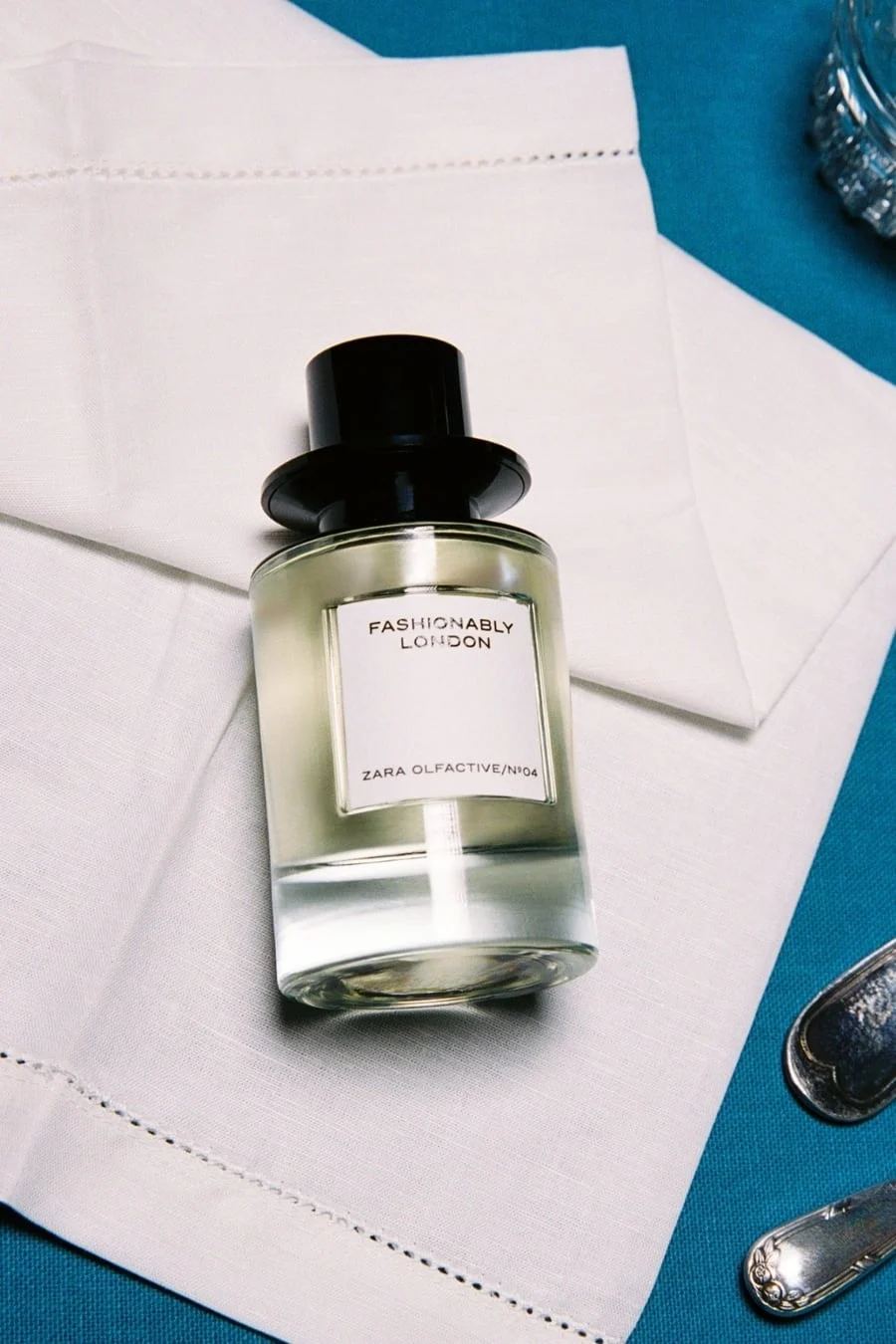
Fashion retailer Zara has formally denied allegations of trademark infringement against Estée Lauder’s Jo Malone brand in filings submitted to the UK High Court. The company asserts that its use of the Jo Malone name on fragrances, developed in collaboration with the perfumer, aligns with principles established by the cosmetics giant itself in 2020. This legal challenge centers on Zara’s interpretation of an agreement that permits the use of Jo Malone’s name in connection with specific scent creations.
The Core of the Dispute: Trademark and Collaboration
The legal battle stems from the co-branded fragrances developed by Zara and Jo Malone, the renowned perfumer. Estée Lauder, the parent company of Jo Malone, alleges that Zara’s use of the Jo Malone name on its products infringes upon its established trademark rights. However, Zara’s defense, as detailed in court documents, hinges on the argument that these collaborations operate under a framework agreed upon with Estée Lauder. Specifically, Zara claims that the 2020 principles laid out by Estée Lauder permit such usage, effectively placing the responsibility for the alleged infringement on Estée Lauder’s own guidelines.
The specifics of these 2020 principles are crucial to the case. While the exact wording of the agreement remains confidential, Zara’s legal team is likely arguing that these principles define the scope and permissible use of Jo Malone’s name in joint ventures. This suggests a complex contractual relationship where Zara believes it is acting within the bounds of an existing understanding, while Estée Lauder contends that Zara has overstepped those boundaries.
A Chronology of Collaboration and Legal Action
The partnership between Zara and Jo Malone began in 2019, with Malone creating fragrances for Zara under her own brand, Jo Loves. This initial collaboration was seen as a significant move, bringing a high-profile perfumer’s expertise to a fast-fashion giant. Over time, the collaboration evolved, leading to the co-branded scents that are now at the center of the legal dispute.
- 2019: Jo Malone begins creating fragrances for Zara under her Jo Loves brand. This marks the inception of their partnership, aiming to bring sophisticated scents to a wider market.
- 2020: Estée Lauder reportedly sets out specific principles governing the use of the Jo Malone name in collaborations. These principles are central to Zara’s defense, as they claim to have adhered to them.
- Undisclosed Date: Legal proceedings are initiated by Estée Lauder, alleging trademark infringement by Zara.
- Present: Zara files its formal denial in the UK High Court, outlining its defense strategy.
The timeline suggests that the legal action was initiated some time after the 2020 principles were established, implying a potential divergence in interpretation or a subsequent change in Estée Lauder’s stance on the matter. The duration between the alleged infringement and the legal filing could also be a factor in the court’s consideration.
Supporting Data and Market Context
The fragrance market is a significant segment within the broader beauty and fashion industries. Global fragrance sales have shown consistent growth, driven by consumer demand for personalized scents and the influence of celebrity and designer collaborations. According to Statista, the global fragrance market is projected to reach approximately $61.9 billion by 2026.
Collaborations between fashion retailers and renowned perfumers are not uncommon. These partnerships aim to leverage the established reputation of the perfumer to enhance the appeal and perceived quality of the retailer’s products. For Zara, such collaborations can elevate its offering beyond typical fast-fashion price points, attracting a discerning customer base interested in premium-quality fragrances at accessible prices. For Jo Malone, it provides an opportunity to expand her brand’s reach and engage with a new demographic.
The success of Jo Malone’s previous ventures, both independently and with established brands, underscores her market authority. Her personal brand, Jo Loves, has built a reputation for innovative and evocative scents. The partnership with Zara, therefore, was likely viewed as a strategic move by both parties to tap into each other’s strengths and market presence.
Official Responses and Legal Stances
Zara’s Position: As articulated in the court filings, Zara’s defense is multifaceted. Primarily, they assert that their use of the Jo Malone name is not infringing but rather compliant with established guidelines. This suggests that the agreement between Zara and Estée Lauder, or at least the interpretation of it, is at the heart of the dispute. Zara is likely arguing that the co-branded products are clearly identifiable as a collaboration, and the use of Jo Malone’s name is essential to communicate this partnership accurately to consumers. They may also be arguing that the market understands Jo Malone as a creative force behind specific scent lines, rather than solely as a trademark belonging to Estée Lauder in all contexts.
Estée Lauder’s Allegations (Inferred): While Estée Lauder has not released a public statement detailing the specifics of their allegations, the nature of trademark infringement cases typically involves claims that the defendant’s use of a mark is likely to cause confusion among consumers regarding the source or sponsorship of the goods or services. Estée Lauder would likely argue that Zara’s use of the Jo Malone name creates a false impression of affiliation or endorsement that goes beyond the agreed-upon collaboration parameters, potentially diluting the distinctiveness of their trademark. They might also argue that Zara is benefiting unfairly from the goodwill and reputation associated with the Jo Malone brand.
Broader Impact and Implications
This legal battle has several potential implications for both Zara, Estée Lauder, and the wider fashion and beauty industry:
For Zara:
- Reputational Risk: If Zara is found to have infringed on the trademark, it could face significant financial penalties and reputational damage. This could impact consumer trust and its ability to forge future high-profile collaborations.
- Future Collaborations: The outcome of this case could influence how other brands approach co-branding and licensing agreements, particularly in the fast-fashion sector. Zara might face increased scrutiny in future partnership negotiations.
- Product Development: The company may need to re-evaluate its branding and marketing strategies for its fragrance lines to avoid similar legal challenges.
For Estée Lauder and Jo Malone:
- Trademark Protection: A successful outcome would reinforce Estée Lauder’s control over its valuable intellectual property and set a precedent for how its brands are used in collaborations.
- Brand Integrity: Protecting the Jo Malone brand from perceived dilution or unauthorized use is paramount for maintaining its premium image and market value.
- Relationship Dynamics: The lawsuit could strain the relationship between Zara and Estée Lauder, potentially impacting future business dealings beyond the fragrance collaborations.
For the Industry:
- Clarification of Collaboration Frameworks: The case could lead to greater clarity and more robust legal frameworks governing collaborations between large corporations and individual creators or smaller brands.
- Intellectual Property Enforcement: It highlights the ongoing importance of vigilance in protecting intellectual property rights in a rapidly evolving global marketplace.
- Consumer Perception: The outcome will influence how consumers perceive the authenticity and origin of co-branded products, potentially leading to greater demand for transparency.
The legal proceedings are likely to be complex, involving detailed examination of contractual agreements, industry practices, and evidence of consumer confusion. The UK High Court will need to weigh Zara’s defense of adherence to 2020 principles against Estée Lauder’s claims of trademark infringement. The decision will not only resolve this specific dispute but could also shape the landscape of brand collaborations and intellectual property law within the fashion and beauty sectors for years to come.
The final ruling will be closely watched by industry stakeholders, as it has the potential to set important precedents for how brands protect their trademarks and how creative collaborations are structured and executed in the future. The ability for Zara to demonstrate that its usage of the Jo Malone name was explicitly permitted under the terms set by Estée Lauder in 2020 will be the critical factor in determining the outcome of this high-stakes legal battle.