
 Reynand Wu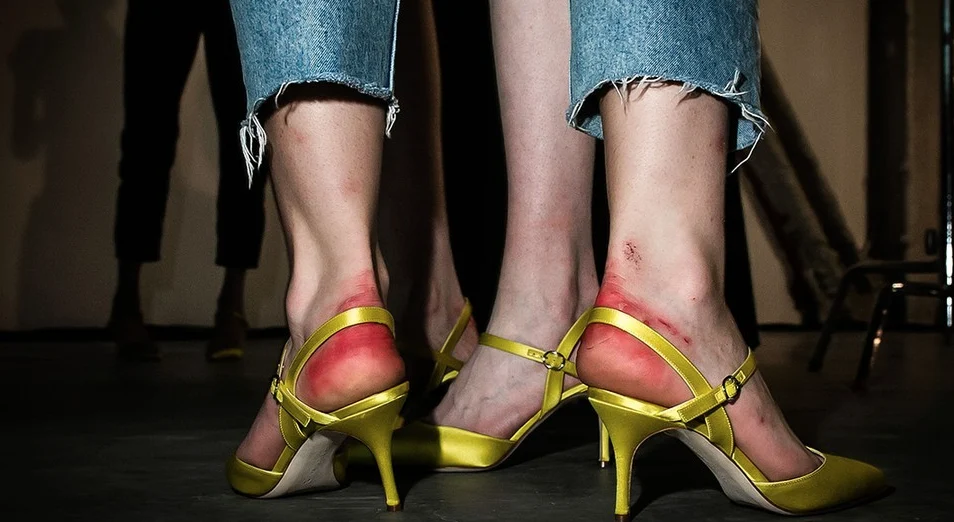
A recent photograph captured by Dina Litovsky, showcasing a model’s visibly inflamed feet squeezed into slingback heels, has ignited a global conversation across social media platforms and mainstream media outlets. The image, initially shared on Instagram, quickly achieved viral status, garnering over 500,000 likes and a deluge of comments that predominantly criticized the fashion industry’s perceived prioritization of aesthetic ideals over the physical well-being of its workforce. Reposted by influential accounts, including National Geographic, and numerous fashion and lifestyle influencers, the photo served as a stark, visceral reminder of the often-unseen sacrifices demanded within the high-stakes world of haute couture.
A Recurring Narrative: Footwear’s Toll on the Runway
The phenomenon of models enduring physical discomfort for the sake of fashion is not novel, nor is the public’s shocked reaction to its visual evidence. This latest incident echoes similar controversies from over a decade ago. In 2012, following Louis Vuitton’s Paris show, images of runway models’ battered, bruised, and swollen feet circulated widely, prompting a similar wave of concern and condemnation. These historical instances underscore a persistent tension within the industry: the pursuit of groundbreaking design and artistic expression often collides with the practical realities and ethical responsibilities concerning the models who embody these creations.
Fashion weeks, which collectively represent billions of dollars in economic activity annually across major hubs like New York, London, Milan, and Paris, are high-pressure environments. Designers are under immense pressure to deliver innovative collections, and models are expected to flawlessly present these visions. This dynamic often leads to demanding schedules, extended hours of fittings, rehearsals, and shows, all of which contribute to the physical strain. Footwear, in particular, frequently emerges as a flashpoint. From impossibly high heels to avant-garde designs that prioritize form over function, shoes are often instrumental in achieving a designer’s desired silhouette and narrative. However, the human cost of these artistic statements, as Litovsky’s photo starkly illustrates, can be significant.
Behind the Seams: The Model’s Professional Dilemma
The choice to wear potentially damaging footwear is often presented as an individual decision for models, yet the power dynamics within the industry significantly skew their agency. While high-profile figures like Naomi Campbell have famously refused to wear unwearable shoes, demonstrating a level of professional clout that allows for such defiance, many models, particularly those with less established careers or lower industry status, face considerable professional repercussions for similar refusals. The fear of being labeled "unprofessional," "difficult," or "uncooperative" can jeopardize future bookings and career advancement in an already highly competitive field.
The industry frequently lauds models for their endurance, celebrating their ability to maintain demanding poses, participate in lengthy shoots, and navigate complex runway formations. This valorization of resilience, whether for overtly contortionist campaigns like Kendall Jenner’s for Stella McCartney or subtly challenging poses for Loewe, subtly yet powerfully links a model’s "professionalism" to their willingness to tolerate discomfort or even pain. This metric of professionalism, however, reveals a toxic underpinning where personal well-being is sacrificed for perceived career advancement. The cultural maxims of "beauty is pain" and "look good, feel good" are not mere aphorisms in this context; they are operational principles that often justify exploitative practices and compel individuals to internalize the notion that their appearance dictates their inherent value and capabilities.
Sociologist Ashley Mears, in her ethnography of models, Pricing Beauty, delves into how these ideals become prescriptive, shaping cultural expectations of appearance. Models, in this framework, are positioned as "aesthetic laborers" whose personhood is commoditized. They are simultaneously empowered by the high fashion industry’s exclusivity and idealism, yet they navigate a reality of dogged and often isolating work conditions. The viral images of suffering feet, therefore, do more than just "serve looks"; they serve as potent reminders of entrenched social expectations of beauty, reinforcing cultural standards that are deeply shaped by power, race, and socio-economic status.
The Economics and Aesthetics of Extreme Fashion
The global fashion industry is a colossal economic force, estimated to be worth over $3 trillion annually. Within this vast ecosystem, high fashion occupies a unique niche, serving as both a driver of trends and a purveyor of artistic vision. Designers often push boundaries, viewing runway shows as performance art where garments and accessories, including shoes, are integral to the narrative. The more extreme or unconventional the design, the more likely it is to generate media buzz, leading to increased brand visibility and, ultimately, sales of more wearable (and profitable) derivatives.
This pursuit of spectacle and artistic innovation often overshadows practical considerations. High heels, in particular, have a long and complex history, evolving from symbols of aristocratic status and power to a quintessential element of feminine fashion. However, medical professionals consistently highlight the orthopedic and podiatric risks associated with prolonged wear of high heels, including bunions, hammertoes, nerve damage, and chronic back pain. For models, who may be required to wear such footwear for hours on end, often ill-fitting samples, these risks are amplified.
Industry representatives, when pressed on such issues, frequently emphasize the artistic freedom of designers and the temporary nature of runway appearances. They might argue that the designs are conceptual, not intended for everyday wear, and that models are professionals who understand the demands of the job. However, the recurring nature of these controversies suggests a disconnect between this artistic rationale and the ethical imperative to ensure safe and healthy working conditions for all participants. The silence or generalized statements from major fashion houses or industry bodies in the immediate aftermath of such viral incidents often fuels public perception of indifference.
"Beauty is Pain": A Societal Construct Amplified by Fashion
The phrase "beauty is pain" is more than a cliché; it encapsulates a deeply ingrained cultural ethos that extends far beyond the runway. It suggests that suffering, effort, and sacrifice are not merely prerequisites for achieving aesthetic ideals but are, in themselves, indicators of worth and dedication. This philosophy is particularly prevalent in gendered beauty standards, where women are often implicitly and explicitly encouraged to undergo uncomfortable or painful procedures and routines in pursuit of an idealized appearance.
The fashion industry, through its powerful imagery and trendsetting influence, plays a significant role in perpetuating and amplifying these societal constructs. By presenting extreme footwear or restrictive garments as desirable, it reinforces the notion that discomfort is an acceptable, even admirable, price to pay for beauty. This influence filters down from the exclusive runways to mass-market fashion, where trends inspired by high fashion become accessible to everyday consumers.
The rise of social media has further complicated this dynamic. While it provides a platform for images like Litovsky’s to go viral and spark critical discussion, it also intensifies the pressure to conform to beauty ideals. Influencer culture, with its curated aesthetics and aspirational lifestyles, often subtly promotes practices that demand significant personal investment, both in terms of time and physical effort, to achieve a certain look. The line between self-expression and self-optimization becomes increasingly blurred.
From Catwalk to Consumer: The Pervasive Influence of Optimization Culture
The struggle with body image and the pursuit of demanding beauty standards is not confined to professional models. As essayist Jia Tolentino explores in "Always Be Optimizing," particularly in her eponymous essay, the concept of pain and suffering has become intrinsically linked to self-optimization in contemporary culture. Drawing from her experiences and research into intense fitness regimes like Pilates and barre workouts, Tolentino argues that traditional, often oppressive, gendered beauty ideals have morphed into a pervasive pursuit of "optimization."
These practices, which can be physically demanding and uncomfortable, are frequently rebranded as "self-care," "sweating it out," or a path to achieving a "toned and sculpted body." The critical aspect here is the illusion of agency: individuals are led to believe they are actively "choosing" to engage in "self-care" or "optimizing" their "womanly figure." This narrative subtly obscures the underlying cultural pressures and expectations. The allure of "look good, feel good" combined with the entrenched belief that "beauty is pain" serves to justify the aches, strains, and genuine suffering that can arise from rigorous workouts, restrictive diets, or even the choice of uncomfortable fashion.
Shoes, in this broader context, transcend their functional role as mere vehicles for our feet. They become potent symbols, carrying the weight of gendered cultural and societal expectations, standards, and ideals. The praise garnered by a model enduring discomfort in avant-garde heels, or by an individual pushing through a painful workout for a desired physique, reflects a collective societal endorsement of this "optimization" ethos. It highlights how deeply ingrained the concept is that worth can be derived from physical appearance, and that discomfort is a necessary, even noble, part of that journey.
Addressing the Future: Calls for Ethical Standards and Wellness
The recurring nature of incidents like the viral photo of the model’s inflamed feet underscores an urgent need for the fashion industry to critically re-evaluate its practices and priorities. There is a growing chorus of voices, from models themselves to ethical fashion advocates and health professionals, calling for greater transparency, stronger labor protections, and a more compassionate approach to the well-being of models.
Proposed solutions include the implementation of stricter guidelines regarding footwear and garment comfort during fittings and shows, mandatory rest periods, and access to proper medical care. The establishment of independent bodies or unions for models could empower them to negotiate better working conditions without fear of reprisal. Furthermore, a shift in design philosophy could encourage creativity that considers both aesthetic impact and human comfort, challenging the entrenched notion that extreme discomfort is a prerequisite for groundbreaking fashion.
Ultimately, the debate sparked by Dina Litovsky’s powerful photograph is not just about a single pair of shoes or a fleeting moment on the runway. It is a microcosm of a much larger societal conversation about the nature of beauty, the ethics of labor in creative industries, and the pervasive influence of cultural ideals on individual well-being. As consumers become more aware and vocal, the pressure on the fashion industry to evolve towards more ethical and sustainable practices, encompassing the welfare of its human capital, will only intensify. The images of suffering feet serve as a powerful catalyst for this ongoing, critical re-evaluation.







