Jono Maryono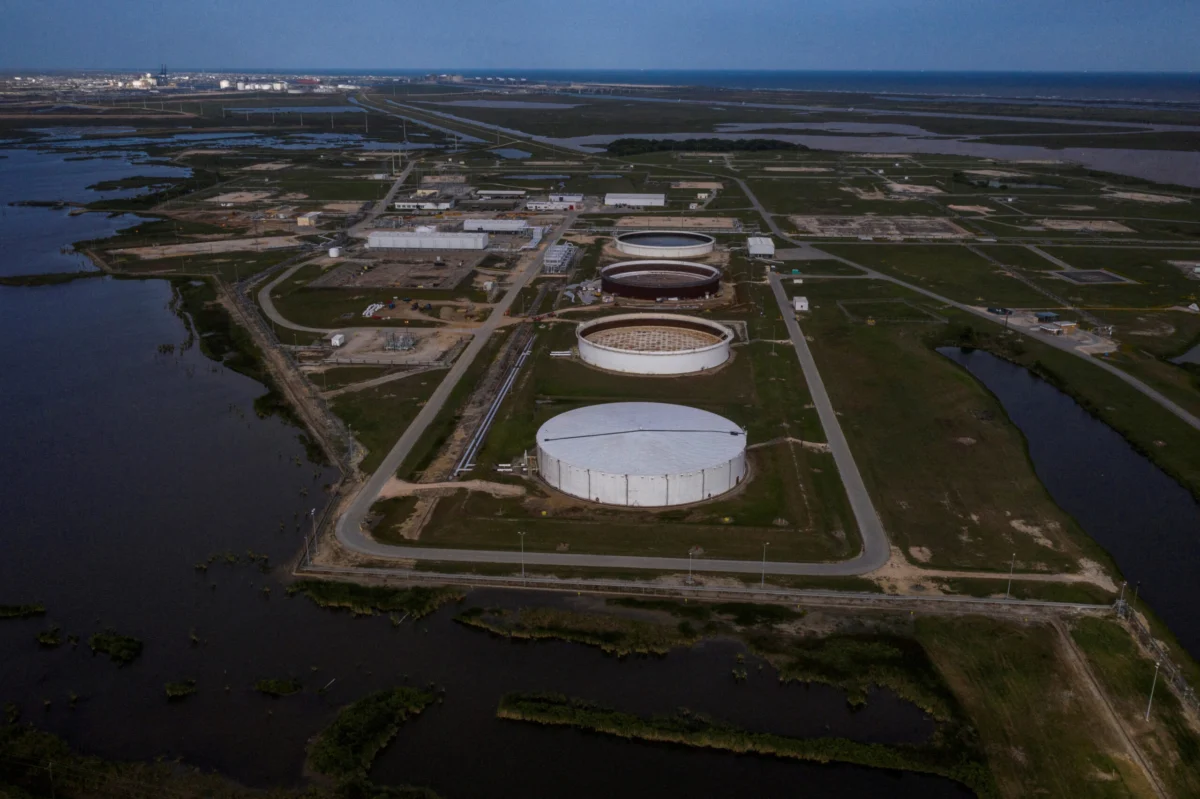
The United States Department of Energy has commenced a significant drawdown from its Strategic Petroleum Reserve (SPR), releasing 53.3 million barrels of crude oil. This substantial transfer, executed through an emergency exchange program with nine selected companies, marks a critical intervention in a global energy landscape increasingly defined by geopolitical tensions and surging prices. The move, coordinated with the International Energy Agency (IEA), aims to stabilize markets, address immediate supply concerns, and ultimately reinforce the nation’s long-term energy security by ensuring the SPR’s reserves are replenished with high-quality crude in the future.
Strategic Petroleum Reserve: A Vital Tool for Energy Security
The Strategic Petroleum Reserve, established by the U.S. government in 1975 in response to the 1973 Arab oil embargo, stands as the world’s largest government-owned emergency crude oil reserve. Its primary purpose is to mitigate the impact of severe disruptions to the global oil supply, thereby safeguarding the U.S. economy and national security. The SPR holds up to 714 million barrels of crude oil in four geographically dispersed storage sites located in Texas and Louisiana. Releases from the SPR can be initiated under various conditions, including significant supply disruptions caused by natural disasters, geopolitical conflicts, or acts of war. The current release is a testament to the SPR’s ongoing role as a crucial instrument in managing energy market volatility.
The Mechanism of Release: An Emergency Exchange Program
The Department of Energy’s decision to release these 53.3 million barrels was facilitated by its emergency exchange program. This mechanism allows for the immediate transfer of crude oil to companies that commit to returning an equivalent amount of crude, often with a premium, at a future date. This strategy ensures that while oil is injected into the market to alleviate immediate price pressures, the SPR’s overall volume is maintained or even enhanced over time, utilizing market dynamics to strengthen reserves. The nine companies awarded contracts for this recent drawdown represent major players in the energy sector, demonstrating the broad participation and logistical capability required for such a large-scale operation.
Among the recipients, Trafigura Trading LLC, a prominent commodities trading firm headquartered in Texas, secured the largest portion, acquiring nearly 13 million barrels. Marathon Petroleum Corporation and ExxonMobil, two of the largest integrated oil companies in the United States, are set to receive substantial quantities as well, with Marathon Petroleum slated to receive 12.4 million barrels and ExxonMobil 11.4 million barrels. Other companies benefiting from this release include Macquarie Commodities Trading US, Atlantic Trading & Marketing, BP Products North America, Energy Transfer Crude Marketing, Mercuria Energy America, and Phillips 66. These firms will receive allocations ranging from 1.05 million to 6.55 million barrels, reflecting a diverse distribution across the industry.
Kyle Haustveit, head of the Department of Energy’s Hydrocarbons and Geothermal Energy Office, emphasized the program’s effectiveness in his statement: "These actions continue to move oil swiftly into the market, address near-term supply needs, and ensure that the Strategic Petroleum Reserve remains strong through the return of premium barrels." This statement underscores the dual objective of the release: immediate market stabilization and long-term reserve enhancement.
A Broader Context: Coordinated International Action
This latest drawdown is not an isolated event but part of a larger, coordinated international effort. The U.S. action follows an agreement made in March by the Trump administration to release 172 million barrels of crude oil. This previous release was also conducted in coordination with the International Energy Agency (IEA), constituting what was then the largest coordinated release of global oil stockpiles in history. The IEA, an intergovernmental organization established in the wake of the 1973 oil crisis, plays a pivotal role in coordinating member countries’ energy policies, including the management of strategic reserves. Its involvement signifies a global recognition of the severity of current market disruptions and a unified approach to mitigating their economic consequences.
The Geopolitical Undercurrent: Rising Oil Prices and Regional Instability
The timing of this significant SPR release is intrinsically linked to a dramatic surge in global oil prices. Since the escalation of conflict between the United States and Iran in late February, following the U.S. and its allies’ military actions against Tehran, oil markets have experienced heightened volatility. Iran’s retaliatory blockade of the Strait of Hormuz, a critical chokepoint for global maritime trade, has severely disrupted the flow of oil. Approximately one-fifth of the world’s oil supply transits through this narrow waterway, and any threat to its security has immediate and profound implications for global energy markets.
The blockade has led to a near-complete halt in commercial shipping traffic through the strait, driven by Iranian threats against vessels operating in the region. This disruption has exacerbated existing supply concerns and contributed significantly to the upward pressure on crude oil prices.
Market Reactions and Policy Responses
On Monday, oil prices continued their upward trajectory. This trend was further fueled by President Donald Trump’s dismissal of Iran’s latest peace proposal and his warning that the ceasefire between the two nations was "on life support." This rhetoric dampened hopes for a swift resolution to the conflict, adding another layer of uncertainty to the already precarious energy market.
In response to growing public concern over escalating fuel costs, President Trump also announced his intention to waive the 18.4 cents-per-gallon federal tax on gasoline. However, it is important to note that taxation policies are primarily the purview of the U.S. Congress, meaning such a waiver would require legislative action. This announcement, while aimed at providing immediate relief to consumers, highlights the political sensitivity surrounding energy prices and the administration’s efforts to address domestic economic pressures.
Economic Implications and Future Outlook
The implications of this substantial SPR release are multifaceted. Primarily, it aims to inject much-needed supply into a market grappling with significant geopolitical risks. By increasing the available crude, the U.S. government hopes to temper price increases, providing a buffer against further shocks and offering some relief to consumers and businesses reliant on affordable energy.
However, the effectiveness and long-term impact of such releases are subject to various factors. The duration and intensity of the conflict in the Middle East remain critical determinants of future price movements. Should the geopolitical situation continue to deteriorate, the SPR release might offer only a temporary reprieve. Furthermore, the global demand for oil, influenced by economic growth and energy policies, will also play a crucial role in shaping market dynamics.
The precedent set by this and previous coordinated releases from the SPR, particularly in conjunction with the IEA, underscores a growing reliance on strategic reserves as a primary tool for managing energy crises. While these actions can be effective in the short to medium term, they do not address the underlying structural issues that contribute to market volatility, such as geopolitical instability and the pace of transition to alternative energy sources.
As of Tuesday morning, futures for Brent crude, the international benchmark, showed a slight increase of approximately 1 percent in Asian trading, surpassing $105 a barrel. This indicates that despite the significant SPR release, market sentiment remains cautious, reflecting the persistent uncertainties in the global energy landscape. The coming weeks and months will be crucial in observing the sustained impact of the U.S. intervention, the broader geopolitical developments, and the continued interplay of supply and demand in shaping the future trajectory of oil prices. The Department of Energy’s commitment to replenishing the SPR with "premium barrels" suggests a strategic approach to ensuring that this vital national asset remains robust and capable of fulfilling its mission in future energy challenges.