
 Reynand Wu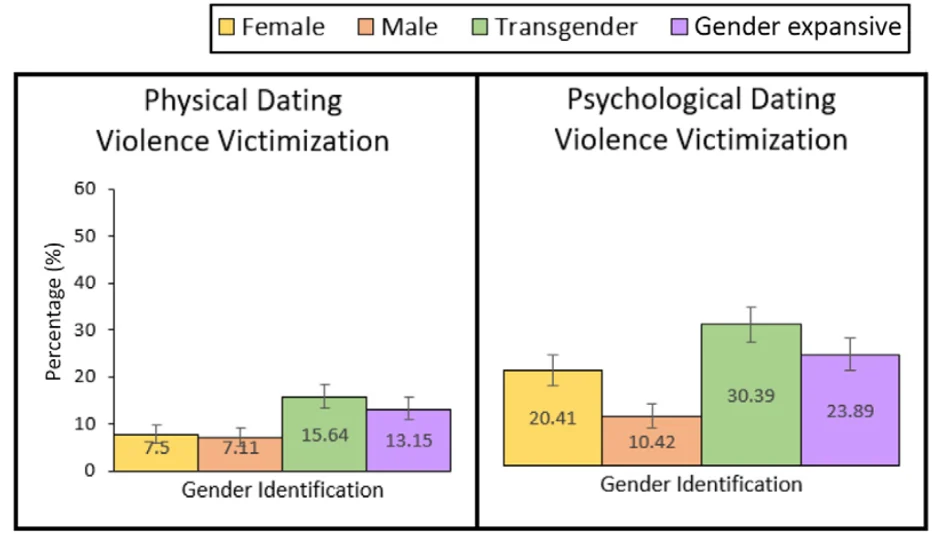
In recent years, the evolving landscape of romantic and sexual relationships, particularly phenomena like hookup culture and the pervasive influence of dating applications, has captured significant sociological attention. However, a critical oversight often characterizes these discussions: the experiences of transgender individuals are frequently marginalized or entirely absent. Furthermore, a narrow focus on college campuses often obscures the broader demographic shifts and the ubiquitous presence of dating apps across various age groups, making the omission of trans experiences even more pronounced and problematic.
The Overlooked Reality: A Crisis of Safety and Understanding
The imperative to center trans experiences in discussions about modern dating is not merely a matter of inclusivity; it is a critical issue of safety and well-being. Research consistently highlights the disproportionate vulnerability of transgender individuals to violence and discrimination within dating contexts. A sobering 2021 study, for instance, revealed that trans youth are twice as likely as cisgender women to have endured physical dating violence and 50 percent more likely to have experienced psychological dating violence. These statistics underscore a profound disparity in safety and equitable treatment, pointing to systemic issues that permeate social interactions and romantic engagements for trans individuals.
Beyond the stark figures of violence, the psychological toll of navigating dating as a transgender person is immense. A 2023 study illuminated common, deeply distressing experiences, chief among them being fetishized and constantly confronting others’ preconceived notions. Participants in the study articulated the dehumanizing impact of these encounters. One trans woman recounted, "Because I’m a trans woman, people instantly assume that I must be this massive bottom," illustrating how identity is often reduced to a sexual caricature. A trans man echoed this sentiment, expressing, "I just felt like they weren’t talking to me. They were talking to an idea they had about me." This experience of being seen as an object or an abstract concept, rather than a multifaceted individual, is a pervasive challenge that erodes trust and psychological safety in potential relationships.
Navigating Digital Spaces: The Disclosure Dilemma
The proliferation of dating apps has introduced a new layer of complexity to these challenges, particularly concerning the disclosure of one’s trans identity. For many transgender individuals, these platforms represent both an opportunity for connection and a minefield of potential threats. Research into trans people’s decisions regarding identity disclosure on dating apps reveals a nuanced and often fraught process.
A significant majority of participants opt for proactive and explicit disclosure of their trans identity, driven primarily by profound safety concerns. This choice is often a calculated risk assessment, a pre-emptive measure to mitigate potential violence or hostility. The chilling reality for some, particularly those in rural or less accepting environments, is vividly captured by a genderfluid participant who recounted their fear when meeting someone face-to-face from a dating app: "that person could be the person that kills me." This statement is not hyperbole; it reflects a lived reality for many trans individuals, who must constantly weigh the desire for intimacy against the very real threat of physical harm.
Conversely, some individuals choose "softer" disclosure methods, strategically showcasing different facets of their identity through multiple profile pictures or subtle cues rather than an explicit declaration. This approach may stem from a desire to avoid immediate judgment, to allow a connection to develop before revealing their trans identity, or to manage the emotional labor of constantly educating potential partners. However, even this softer approach carries inherent risks, as later disclosure can sometimes be met with anger, rejection, or even violence, as highlighted by the existence of "trans panic defenses." The emotional and psychological burden of this constant self-monitoring and strategic presentation is a unique challenge in the trans dating experience.
Intersectionality of Vulnerability: Who Faces the Greatest Risks?
Within the transgender community, vulnerability to dating violence and discrimination is not uniform; it is profoundly shaped by intersectional identities. A 2021 study shed light on this crucial aspect, identifying BIPOC (Black, Indigenous, and People of Color), queer, and transfeminine individuals as those most likely to have experienced dating violence. This finding underscores how interlocking systems of oppression—transphobia, racism, homophobia, and misogyny—compound the risks faced by marginalized trans people.
A subsequent 2022 study specifically delved into the dating experiences of BIPOC trans women, revealing particularly egregious patterns of abuse and concealment. The study found that their cisgender male partners often went to great lengths to conceal these relationships from public view, driven by societal stigma and fear of exposure. The consequences of this forced secrecy were devastating, frequently manifesting as physical violence and severe psychological trauma. As one woman powerfully stated, "We getting killed just because of the guys here were scared that they secret would come out." This quote encapsulates the deadly intersection of transphobia, racism, and toxic masculinity, where the perceived shame of dating a trans woman of color can escalate to lethal violence.
To cope with these perilous circumstances, BIPOC trans women often develop elaborate "survival strategies." These include hypervigilance in social settings, carefully choosing clothing to avoid being "found out," and actively avoiding certain men known for their transphobic or violent tendencies. These strategies, while necessary for self-preservation, come at a significant personal cost, fostering chronic anxiety, distrust, and limiting their ability to form authentic, safe relationships. This systemic denial of public affirmation and safety for BIPOC trans women in their relationships constitutes a profound injustice, highlighting the urgent need for targeted interventions and broader societal change.
A Broader Context: Trans Visibility and Systemic Backlash
These deeply personal dating experiences are not isolated incidents but are situated within a larger, often hostile, socio-political climate. Transgender people are currently experiencing unprecedented levels of visibility in media, culture, and public discourse. While increased visibility can foster understanding and acceptance, it has also triggered a significant backlash, manifesting in a surge of anti-trans legislation and rhetoric across numerous countries. This duality of increased visibility alongside escalating systemic attacks creates a precarious environment where trans individuals navigate daily life with heightened anxiety, a reality that inevitably infiltrates their search for romantic and sexual partners.
The current political climate, characterized by legislative efforts to restrict trans rights in healthcare, education, and public spaces, reinforces the very prejudices that fuel dating violence and discrimination. When state-level policies question the legitimacy of trans identities, it implicitly sanctions individual acts of prejudice and violence, making the world outside the home, and particularly the intimate space of dating, an even more dangerous place. This societal backdrop makes the findings of these studies not just academic observations but urgent calls to action, emphasizing the need for robust support systems and legal protections for trans individuals.
Charting a Path Forward: Remedies and Responsibilities
The researchers behind these critical studies are not only identifying problems but also proposing concrete remedies to foster safer and more equitable dating environments for transgender individuals. These suggestions span educational, technological, and legal domains, calling for a multi-pronged approach to systemic change.
First and foremost is the call for comprehensive, trans-inclusive education. This encompasses a broad spectrum, from integrating trans experiences into school curricula and sex education programs to implementing specialized violence prevention training. Such educational initiatives are designed to foster greater understanding, empathy, and respect, not only among cisgender individuals but also within the trans community itself, making both trans people and their partners more comfortable and informed. Education can dismantle stereotypes, challenge prejudice, and equip individuals with the knowledge to engage in healthy, respectful relationships, thereby reducing instances of fetishization, misgendering, and violence.
Secondly, dating app users themselves have voiced a clear demand for technological improvements, specifically better filtering options. The frustration is palpable, as articulated by one participant: "The majority of the interactions I have with cis men on dating apps are just shit, full stop . . . can I have less of them pop up?" This highlights a crucial area where technology companies bear a significant responsibility. Dating apps, which have become primary conduits for romantic connection, must evolve beyond simplistic gender binaries and offer more nuanced identity options and filtering tools that empower trans users to control their interactions and enhance their safety. Implementing robust reporting mechanisms, clear community guidelines, and proactive moderation against hate speech and discriminatory behavior are also vital steps.
Finally, and perhaps most critically, some study authors advocate for the prohibition of "trans panic defenses." These abhorrent legal strategies allow perpetrators of violent crimes, including murder, to justify their actions by claiming a temporary loss of control or severe emotional distress upon discovering their victim is transgender. Such defenses effectively shift blame from the aggressor to the victim’s identity, perpetuating violence and denying justice. The prohibition of trans panic defenses is a fundamental step towards recognizing the full humanity and inherent right to safety of transgender individuals under the law, sending a clear message that violence against trans people, for any reason, will not be excused.
Implications and the Road Ahead
The implications of this research are profound, extending far beyond the realm of individual dating experiences. They speak to the fundamental human right to seek companionship, intimacy, and love without fear of violence, discrimination, or dehumanization. As transgender people continue to gain visibility and assert their rightful place in society, it becomes increasingly imperative that social institutions, legal frameworks, and technological platforms adapt to ensure their safety and well-being.
The ongoing struggle against anti-trans legislation and societal prejudice creates an environment of pervasive anxiety for trans individuals, impacting every facet of their lives, including their emotional and romantic pursuits. The cumulative stress of navigating a world that often denies their existence or seeks to harm them has significant mental health repercussions, underscoring the urgency of creating safer spaces.
This body of social science research serves as a vital call to action for policymakers, educators, technology developers, and every individual. It challenges us to look critically at how societal norms, technological design, and legal systems contribute to the marginalization and endangerment of transgender people. By embracing comprehensive education, advocating for technological inclusivity, and enacting robust legal protections, society can work towards a future where the search for romantic and sexual partners is a source of joy and connection for all, rather than a perilous journey for transgender individuals. The quest for a safer and less anxious future for trans people in their romantic and sexual lives is not just a matter of social justice; it is a fundamental measure of a truly equitable and compassionate society.








