
 Ferry Irwandi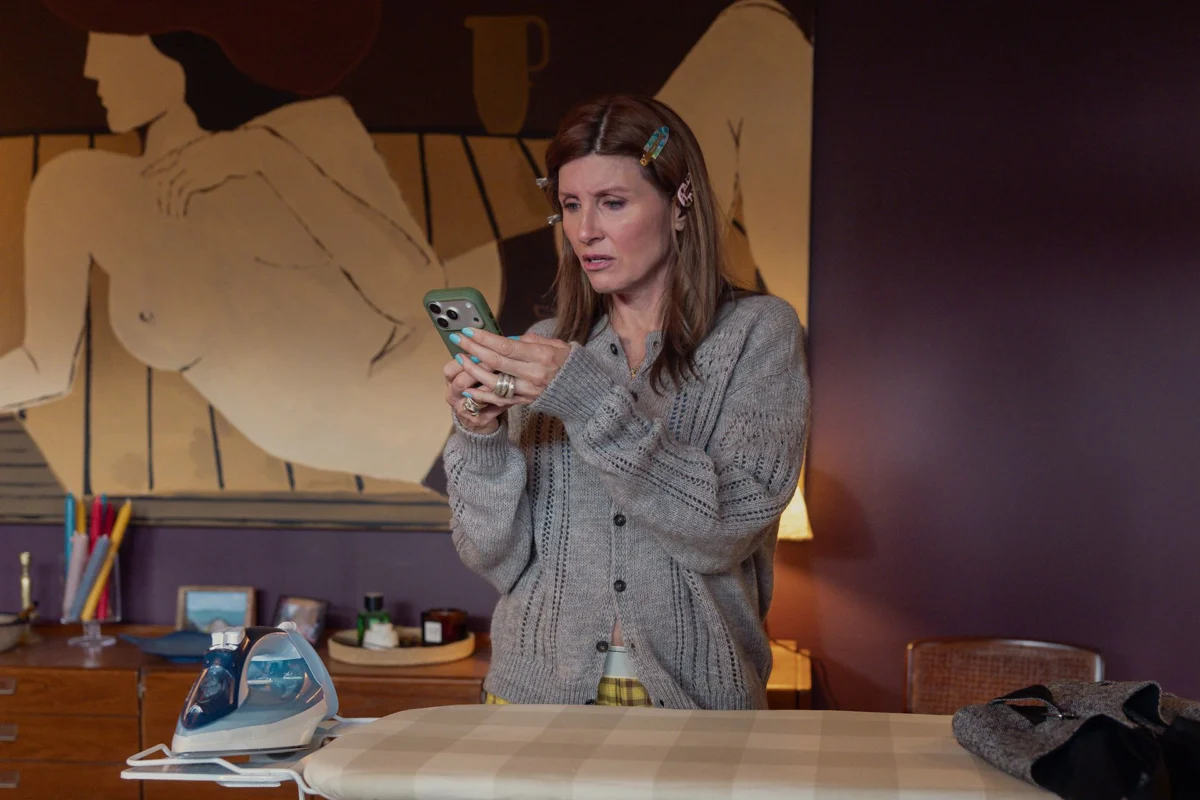
The landscape of modern television is continually shaped by creators who manage to capture the messy, nuanced realities of contemporary life with equal parts gravity and wit. Sharon Horgan, the creative force behind critically acclaimed and universally beloved television projects such as Bad Sisters, Catastrophe, Pulling, and Motherland, has solidified her reputation as an acute observer of human relationships. With the premiere of her ambitious eight-episode HBO comedy-drama series, Youth, Horgan returns to the screen not only as a writer and producer but as the central protagonist. Premiering on HBO on September 20, 2026, the series immediately captured the cultural zeitgeist, drawing viewers into a deeply personal yet universally relatable narrative exploring the complex intersections of midlife dating, career progression, elderly care, and modern parenthood.
Beyond its incisive script and stellar ensemble cast—which features Rupert Friend, Sharlene Whyte, Aran Murphy, Robbie Gee, Harriet Walter, Anne Reid, Freddie Fox, and Damian Lewis—Youth has generated significant interest for its striking visual backdrop. The production utilizes a diverse array of real-world settings to mirror the emotional and psychological states of its characters. From historic architectural marvels in the heart of London to chic upscale dining establishments and sun-drenched Mediterranean escapes, the filming locations serve as an active character within the narrative itself. Examining where Youth was brought to life offers a fascinating glimpse into the logistical scale and artistic vision guiding HBO’s latest prestige television offering.
The Genesis and Thematic Scope of Youth
To understand the geographical choices made by the production team, one must first examine the core premise of Youth. Horgan stars as Alex, a 50-year-old divorcée navigating the daunting, often disorienting landscape of being single again. Grappling with the dual pressures of advancing her career in the highly competitive publishing industry and caring for her aging parents, Alex faces her most demanding challenge at home: managing her troubled 18-year-old son, Ruari, played by Aran Murphy, the son of acclaimed actor Cillian Murphy.
The series deliberately avoids viewing midlife through a singular lens, instead weaving together multiple narrative threads. Alongside the humor and vulnerability of post-divorce romance, Youth tackles urgent contemporary social issues, notably the digital radicalization of teenage boys. Through Ruari’s storyline, the series explores how online algorithms and toxic internet subcultures feed young men distorted, hyper-masculine ideologies. This tension between the analogue realities of adult life and the hyper-digital vulnerabilities of youth provides the emotional bedrock for the entire production.
Speaking candidly about the deeply personal origins of the series, Horgan reflected on the universal anxieties surrounding life after the dissolution of a long-term relationship. She noted that finding herself divorced brought an initial, terrifying conviction that romantic isolation would be permanent, accompanied by a paralyzing fear of loneliness. Yet, this vulnerability quickly gave way to a distinct sense of liberation—the realization that with children finishing school and decades of lived experience behind them, individuals are afforded a rare, second chance to rewrite their stories correctly.
Principal Photography and London’s Architectural Tapestry
While international locations add texture to the series, the physical and psychological heart of Youth remains firmly rooted in London. The British capital serves as an imposing, dynamic backdrop that reflects both the professional demands and the domestic claustrophobia experienced by the central characters. Production schedules heavily favored practical locations over soundstages, lending an authentic, lived-in texture to the fictional world inhabited by Alex and her peers.

The Old Sessions House: A Historic Literary Nexus
Among the most visually striking locations featured in the series is The Old Sessions House, situated in the historic Clerkenwell district of London. In the universe of Youth, this magnificent architectural landmark doubles as the bustling offices of the fictional literary agency where Alex works, anchoring her professional ambitions in a tangible, grand environment.
Industry reports and on-set visits conducted by international press outlets during the height of production in May 2026 confirmed that extensive principal photography took place inside the historic structure. Showrunners and cast members, including Horgan herself, were frequently spotted utilizing the actual interiors rather than relying solely on exterior establishing shots.
Constructed between 1780 and 1782 and originally known as the Middlesex Quarter Sessions, the building operated as a municipal courthouse for generations. Beyond its architectural pedigree—showcasing neoclassical grandeur, sweeping staircases, and soaring ceilings—The Old Sessions House boasts a profound connection to British literary history. Most famously, legendary author Charles Dickens utilized the building as the physical courthouse where the protagonist Oliver Twist is dragged before the magistrate in his seminal 1838 novel. For a series fundamentally concerned with the publishing world, storytelling, and the burdens of history, utilizing a location intertwined with Dickensian lore adds a subtle yet resonant layer of meta-narrative depth.
Upscale Ambitions at Lucky Cat in Mayfair
Contrasting the historic gravity of Clerkenwell, Youth also captures the sleek, fast-paced corporate spheres that define modern publishing success. Promotional materials and official HBO trailers highlight scenes featuring Alex engaged in high-stakes professional meetings within the sophisticated confines of Lucky Cat, Gordon Ramsay’s renowned Asian-inspired restaurant located in Mayfair.
Known for its striking interior design, moody lighting, and avant-garde architectural details, Lucky Cat provides a visual shorthand for luxury, exclusivity, and professional drive. The choice of this high-end dining establishment underscores Alex’s determination to reclaim her career trajectory and assert her worth in a youth-obsessed professional climate. It illustrates how contemporary prestige television uses elite hospitality spaces to visually communicate status, ambition, and the superficial glamour of urban corporate life.
Islington’s Industrial and Residential Heritage
Moving away from corporate boardrooms and historic courthouses, the production also ventured into the residential and industrial quarters of North London. Boroughs such as Islington offered filmmakers a gritty, authentic slice of everyday urban living. Specifically, production crews utilized locations along Wenlock Road and Union Wharf.
These areas, deeply connected to London’s historical canal networks and industrial development, provide a stark visual counterpoint to the polished elegance of Mayfair. The canalside architecture, converted warehouses, and quiet residential streets of Islington ground the domestic struggles of Horgan’s character in a recognizable, working-city environment. It is within these neighborhoods that the intimate, unglamorous moments of parenting, emotional exhaustion, and quiet contemplation unfold, grounding the series in the reality of everyday London existence.

International Horizons: Filming in Mallorca, Spain
While London provides the structural foundation for the narrative, Youth occasionally steps beyond the grey skies of the British capital to embrace contrasting climates. Local media coverage and industry tracking revealed that production units traveled to the Mediterranean island of Mallorca during the spring of 2026.
According to reports from the Majorca Daily Bulletin, actor Rupert Friend and members of the core production crew were spotted in May 2026 filming key sequences in Sant Elm, a picturesque coastal village on the island’s southwestern tip. While HBO and the show’s producers maintained a shroud of secrecy regarding precise plot details tied to these international sequences, the inclusion of Mallorca suggests that the narrative expands beyond domestic boundaries, perhaps incorporating travel, escapism, or restorative holidays into the characters’ complex emotional journeys. The sun-drenched coastal vistas of Spain offer a vivid visual foil to the urban claustrophobia of London, symbolizing potential moments of release or reckoning for characters caught in personal turmoil.
Industry Implications and Cultural Reception
The rollout of Youth marks another significant milestone in Sharon Horgan’s prolific partnership with major international networks and streaming platforms. By securing an HBO release date of September 20, 2026, the series positioned itself squarely within the competitive autumn television window, traditionally reserved for prestige dramas and comedies aimed at discerning adult audiences.
From an economic and tourism perspective, high-profile television productions like Youth continue to serve as powerful economic drivers for the cities and regions in which they operate. The utilization of high-profile London hospitality venues such as Lucky Cat, alongside historically significant architectural landmarks like The Old Sessions House, invariably generates heightened public interest and foot traffic. Cities increasingly view prestige television as an invaluable marketing tool, capable of showcasing urban regeneration, architectural preservation, and culinary excellence to a global audience of millions.
Furthermore, the series touches upon timely socio-cultural anxieties that resonate far beyond the United Kingdom. By directly addressing the phenomenon of online digital radicalization and the confusion young men face regarding modern masculinity, Youth bridges the gap between domestic family comedy and urgent social commentary. The casting choices—particularly pairing Horgan with Aran Murphy—have also been praised by television critics for injecting genuine generational friction and raw authenticity into the mother-son dynamic.
As audiences continue to stream the eight-episode arc, Youth stands as a testament to the evolving nature of the comedy-drama genre. It proves that narratives concerning midlife transitions, marital breakdown, and the trials of modern parenting do not require a sanitized environment to resonate. Instead, by anchoring these deeply human struggles in real, recognizable geographies—from the historic halls of Clerkenwell to the sunlit shores of Mallorca—Youth creates a visceral, believable world that mirrors the complexity of the lives it seeks to portray.









