
 Ferry Irwandi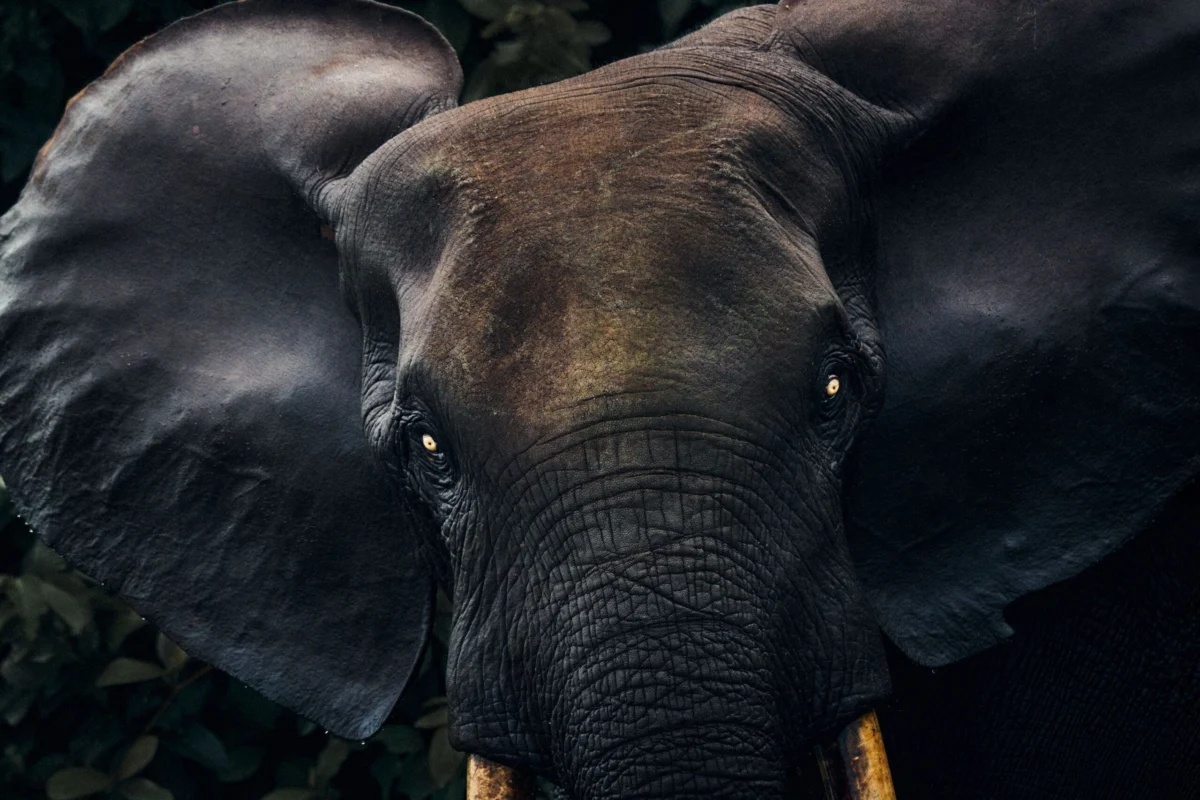
Gabon remains one of the most ecologically intact yet heavily restricted destinations on the African continent, balancing an ambitious conservation framework with complex socio-political realities. Roughly 88 percent of this Central African nation—an area comparable in size to the US state of Colorado—is blanketed by dense tropical rainforest. Home to fewer than 2.5 million residents, the country features minimal road infrastructure outside its primary urban centers, allowing rare and isolated ecosystems to flourish. From orange-glowing cave-dwelling crocodiles and hundred-strong mandrill super-troops to surfing hippopotamuses, Gabon operates as a living laboratory of natural history, often evoking comparisons to a mythical landscape. Yet, beneath the pristine canopy and monumental biodiversity lies a nuanced story of political transition, environmental conservation, and the ongoing struggle to harmonize human needs with wildlife preservation.

Roots and Rituals: The Bwiti Tradition in Mikumu
Far from the capital city of Libreville, deep within the forest-edge community of Mikumu, cultural preservation takes center stage through ancient animistic traditions. For generations, the Bwiti spiritual discipline has anchored communities to Gabon’s natural and mystical realms. Visitors to Mikumu are often granted rare access to traditional ceremonies, such as the invocation of the Marumba spirit.

Prepared over hours by male musicians beating long cylindrical drums beneath a relentless equatorial sun, the ritual involves burning resin from the sacred Okoumé tree, known locally as mupetu, while dancers daub their bodies in white ash. The ceremony, invoked during celebrations, funerals, or times of transition, culminates in the dramatic arrival of Marumba—a figure swaddled in thick raffia, crowned with feathers, and wearing a vibrant red, white, and black wooden mask.
The Mikumu community center functions as more than a cultural touchstone; it incorporates an education center, a traditional healing clinic, and social support services for local youth. This integrated approach reflects a broader national commitment to maintaining a living bridge between ancestral heritage and environmental stewardship.

Chronology of Conservation: From the Megatransect to National Parks
Gabon’s formal protection framework has evolved significantly over the past two decades, heavily shaped by landmark expeditions and visionary political backing. In 2002, the nation established a robust network of 13 national parks protecting nearly 7.5 million acres of land. This historic conservation milestone was catalyzed by the Megatransect expedition, a 2,000-mile, 456-day trek undertaken by American naturalist Dr. Mike Fay of the Wildlife Conservation Society. Fay’s documentation of rampant industrial logging and biodiversity loss served as an urgent wake-up call to the global community and the administration of then-President Omar Bongo.

Following decades of single-family rule, Ali Bongo assumed power in 2009 and continued his father’s conservation legacy, positioning Gabon as a pioneer in environmental policy. Under his administration, and guided by British-born former environment minister Lee White, the government shifted focus toward combating climate change. Gabon became a leader in carbon credit initiatives and pioneered a "debt-for-nature" swap brokered by The Nature Conservancy. This financial restructuring refinanced national debt to generate dedicated funding for marine conservation, solidifying the nation’s reputation as "Africa’s Last Eden."
However, political shifts have introduced new variables. In August 2023, following a disputed presidential election, Ali Bongo was ousted in a military coup led by General Brice Oligui Nguema, who subsequently won the post-coup presidential election. While the transition was largely bloodless, critics point out that Nguema is Bongo’s cousin, raising questions regarding systemic political reform. Conservationists and local guides have noted that administrative changes have occasionally disrupted park management, citing instances where ranger patrols and maintenance suffered due to delayed funding and bureaucratic shifts.

Biodiversity and the Jewel of Loango National Park
Among Gabon’s protected reserves, Loango National Park stands out as a premier ecological showcase. Spanning more than 150 miles along the Atlantic coastline south of Libreville, Loango features an unusual convergence of distinct habitats: savanna grasslands where forest buffalos graze, mangrove networks sheltering lowland gorillas, golden beaches used as nesting grounds by leatherback turtles, and coastal forests roamed by elephants.

Access to Loango is primarily facilitated via a 35-minute flight from Libreville to Port-Gentil, followed by ground and water transport to specialized lodges such as Ndola Camp, operated by Luxury Green Resorts under the Gabonese Strategic Investment Fund.
Loango also plays a critical role in global primate research. The Max Planck Institute has managed a long-term habituation project at Yatouga research center since 2005. Initiated after years of painstaking tracking through swamps and canopy clearings, the project successfully habituated a troop of western lowland gorillas for tourism and research by 2016. Today, visitors participating in strictly regulated daily treks can observe silverback Kamaya and his family, offering unprecedented insights into a species whose population in the broader Congo Basin is estimated at up to 360,000 individuals—significantly higher than their mountain-dwelling counterparts.

The Human-Wildlife Conflict and Economic Realities
Despite its ecological triumphs, Gabon faces profound socio-economic hurdles, including an urban unemployment rate estimated at approximately 20 percent and persistent infrastructure deficits, such as frequent power outages in Libreville. These economic strains amplify the friction inherent in conservation efforts.

Gabon represents the last major stronghold for the endangered forest elephant, hosting an estimated 95,000 individuals—roughly 65 percent of the global population. While historic poaching threats have been mitigated by stringent anti-trafficking laws, contemporary friction focuses heavily on human-wildlife conflict. Forest elephants frequently raid agricultural crops, leading to retaliatory actions by rural farmers.
To address this, organizations like Space for Giants previously partnered with the government to install mobile electric fencing networks around vulnerable communities. While these measures proved effective at deterring crop-raiding, critics have argued that historical conservation strategies occasionally prioritized wildlife over pressing human welfare issues, contributing to local resentment. Furthermore, coastal pollution—including petrochemical waste from regional oil rigs and marine debris swept in by ocean currents from neighboring nations—highlights the vulnerability of Gabon’s coastal ecosystems despite official protections.

Tourism Potential and Future Outlook
Eco-tourism in Gabon remains an exclusive and often challenging endeavor. High travel costs, limited English-language guiding infrastructure, and remote logistics mean that the country sees a fraction of the international visitors drawn to East African safari destinations. Yet, for travelers willing to navigate these complexities, destinations like Sette Cama—situated near the Ndogo estuary and operated by African Waters—offer world-class catch-and-release sport fishing, marine conservation initiatives, and encounters with unique phenomena such as coastal-foraging forest elephants and migrating African grey parrots.

Ultimately, Gabon exists at a crossroads. As the country navigates its post-coup political landscape, the long-term viability of its conservation triumphs will depend on the government’s ability to balance ecological preservation with economic development and equitable social support for its citizens. For now, Gabon stands firmly as a rare frontier of raw, untamed wilderness in an increasingly developed world.









