Ana Megawati
The natural progression of life brings many changes, and for women, one significant shift often begins around the age of 40: a noticeable decline in muscle mass, a phenomenon clinically known as sarcopenia. While wisdom may accumulate with age, muscle mass, unfortunately, peaks much earlier in life. After the fourth decade, individuals typically begin losing approximately 3% to 8% of their muscle per decade, with this rate accelerating significantly after 50. This physiological reality means that muscles do not respond to exercise with the same efficiency they once did. For many women, this challenge is compounded by the onset of perimenopause, a transitional phase marked by fluctuating hormones that can make building strength and recovering from workouts an even steeper uphill climb. Yet, far from being a deterrent, this stage of life presents a crucial juncture where strength training becomes not just beneficial, but an essential pillar for overall health and well-being.
Understanding Sarcopenia: The Gradual Decline
Sarcopenia is more than just cosmetic muscle loss; it is a progressive and generalized skeletal muscle disorder involving the accelerated loss of muscle mass and function, often associated with increased risk of falls, fractures, impaired physical performance, and even mortality. The mechanisms behind sarcopenia are multifaceted, including a decrease in muscle protein synthesis, an increase in muscle protein breakdown, a reduction in the number and size of muscle fibers, and changes in the nervous system that impair muscle activation.
Data from various longitudinal studies highlight the pervasive nature of sarcopenia. Research indicates that by age 60, approximately 10-20% of adults are affected, with prevalence rising to over 50% in those aged 80 and above. The health implications extend far beyond physical weakness. Sarcopenia is closely linked to metabolic dysfunction, including insulin resistance and an increased risk of type 2 diabetes, as muscle tissue plays a critical role in glucose uptake and regulation. It also contributes to a higher risk of cardiovascular disease, as reduced physical activity and altered body composition negatively impact heart health. Furthermore, diminished muscle strength directly impairs balance and mobility, leading to a significantly elevated risk of falls, which are a major cause of injury and disability in older adults. The long-term consequences can even include a greater susceptibility to Alzheimer’s disease and other forms of cognitive decline, making the proactive management of muscle health a vital component of holistic aging.

The Perimenopause Factor: Hormonal Shifts and Muscle Health
For women, the physiological landscape of aging is uniquely shaped by hormonal changes, particularly during perimenopause and menopause. This period, typically spanning several years before and after the final menstrual period, is characterized by fluctuating and eventually declining estrogen levels. Estrogen plays a critical role in numerous bodily functions, including muscle protein synthesis, bone density maintenance, and the regulation of inflammation and metabolism.
As estrogen levels become erratic and then drop, women often experience a range of symptoms that can indirectly and directly impact muscle health and exercise capacity. Hot flashes, night sweats, sleep disturbances, mood swings, and increased abdominal fat deposition are common. From a muscular perspective, lower estrogen can make it harder for the body to repair and build muscle tissue, meaning that the effort put into strength training may yield less pronounced results compared to earlier decades. This hormonal shift can also contribute to a decrease in bone mineral density, increasing the risk of osteoporosis, making the bone-strengthening benefits of resistance training even more critical. The added physiological stress can also impact recovery times, making consistent workout routines challenging if not properly managed. Studies have shown that women can lose up to 10% of their bone mineral density in the first five years after menopause, underscoring the urgency of preventative measures like strength training.
The Imperative of Resistance Training: A Shield Against Chronic Disease
Despite these age-related and hormonal challenges, the message from medical and fitness experts is unequivocally clear: it is never too late to start or continue strength training. In fact, for those over 40, and especially for women, it is quite the opposite of pointless; it is profoundly beneficial. Leigh Breen, an expert in skeletal muscle physiology and metabolism at Birmingham University, emphatically states, "Regular aerobic and resistance training cuts the risk of almost every noncommunicable disease – type 2 diabetes, cardiovascular disease, Alzheimer’s." This comprehensive protective effect underscores the profound impact of consistent physical activity, particularly strength training, on long-term health.
Beyond Aesthetics: A Shield Against Chronic Disease
The benefits of strength training extend far beyond the aesthetic appeal of toned muscles. It acts as a powerful preventative medicine, fortifying the body against a spectrum of chronic conditions that often become more prevalent with age.
- Type 2 Diabetes: Strength training significantly improves insulin sensitivity, allowing cells to better absorb glucose from the bloodstream, thereby helping to regulate blood sugar levels and reduce the risk of developing type 2 diabetes or managing it more effectively.
- Cardiovascular Disease: Regular resistance exercise contributes to a healthier heart by lowering blood pressure, improving cholesterol profiles, and promoting better circulation. It also helps in maintaining a healthy body weight, reducing the strain on the cardiovascular system.
- Alzheimer’s Disease and Cognitive Decline: Emerging research suggests a strong link between physical activity, particularly strength training, and cognitive health. The mechanisms are thought to include improved blood flow to the brain, reduced inflammation, and the release of brain-derived neurotrophic factor (BDNF), which supports the growth and survival of neurons.
- Osteoporosis: As women age, particularly post-menopause, bone density naturally decreases, leading to an increased risk of osteoporosis and fractures. Strength training places stress on bones, stimulating osteoblasts (bone-forming cells) and promoting increased bone mineral density, effectively slowing down or even reversing bone loss.
- Improved Functional Independence: Perhaps one of the most significant and practical benefits is the maintenance or improvement of functional independence. Stronger muscles mean easier performance of daily tasks – lifting groceries, climbing stairs, carrying grandchildren, or simply getting up from a chair. This directly translates to a higher quality of life and a reduced reliance on others in later years.
Even for those who have never lifted a dumbbell, the prognosis is overwhelmingly positive. Breen adds, "People who’ve trained for years are better protected, but even late starters can dramatically reduce their disease risk in a short time." This offers a powerful message of hope and empowerment, emphasizing that positive change is always within reach, regardless of past habits.
The Power of Starting: Never Too Late to Build Strength
Beyond the myriad physical health benefits, there is a profound psychological and emotional uplift that accompanies gaining strength in midlife and beyond. Ann Marie Chaker, a professional bodybuilder in her 40s who previously worked as a Wall Street Journal reporter, eloquently captures this sentiment: "Taking up space and putting on muscle is a beautiful thing." This speaks to a sense of empowerment, confidence, and reclaiming agency over one’s body at a time when many societal narratives suggest decline. The act of becoming physically stronger can ripple into other areas of life, fostering mental resilience and a more positive self-image.
To guide women through this transformative journey, we sought insights from a panel of female personal trainers and coaches, all over 40, who have dedicated their careers to human physiology, written bestselling books, and founded popular workout platforms. Their collective wisdom provides a practical roadmap for initiating and sustaining a strength training routine in midlife.
Expert Insights: Crafting a Midlife Strength Routine
Starting a new fitness regimen can feel daunting, but experts emphasize simplicity, consistency, and a focus on fundamental movements. The key is to create a sustainable routine that fits into one’s lifestyle and respects the body’s changing needs.
The Foundation: Simple, Effective Equipment
One common misconception is that effective strength training requires a fully equipped gym or expensive machinery. Our experts debunk this myth, advocating for minimalist, budget-friendly options that can be easily incorporated into a home routine. A recent study underscored the impact of even small changes, finding that just five extra minutes of exercise and 30 minutes less sitting each day could significantly contribute to a longer life.

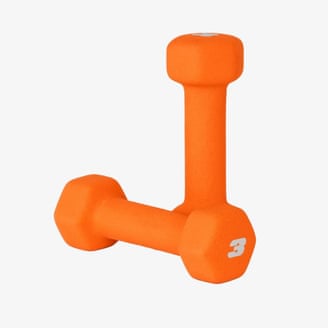
Ann Marie Chaker suggests keeping "a few sets of dumbbells stashed in a corner. You’d be surprised, you can get a lot done." Her personal at-home routine includes foundational exercises like squats, sometimes with a barbell, and walking lunges with dumbbells held at her side. For those looking to invest, personal trainer Marissa Miller recommends a budget-friendly set like the CAP Neoprene Dumbbells ($11.99 at Amazon) for their variety of weight levels and grippy material, making them comfortable and safe to use. Stephanie Gaudreau adds that household items, such as a backpack filled with books, can serve as an excellent, completely free alternative for resistance.
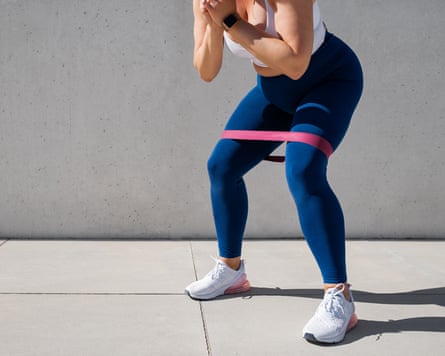
Many experts also champion resistance bands as an incredibly versatile and underrated tool. Caroline Idiens, a fitness coach, praises Gritin Skin-Friendly Resistance Bands (Now $15.98, originally $21.99 at Amazon). "They come in five different strengths and are cheap, [and] easy to transport. Perfect if you are short on space and time and can do a full body workout too." Resistance bands offer continuous tension throughout the movement, providing an effective challenge for muscles without heavy weights, and are ideal for warm-ups, cool-downs, and targeted exercises.
Mastering Movement: The Efficacy of Compound Exercises
When it comes to exercise selection, our strength training aficionados unanimously recommend focusing on compound exercises over complex, isolated lifts. Kate Whetsel advises, "Stick to compound lifts and keep it simple." Compound movements are those that engage multiple muscle groups and joints simultaneously, mimicking natural human movement patterns. Examples include squats (working quads, hamstrings, glutes, core), deadlifts (working glutes, hamstrings, back, core), lunges, push-ups, and rows.
These movements are incredibly efficient, providing a maximal workout in minimal time. They not only build overall strength but also significantly benefit cardiovascular health by elevating heart rate and improve flexibility and mobility over time by moving joints through their full range of motion. To maximize the effectiveness of these simple movements, Whetsel suggests a technique known as "tempo training," specifically slowing down the eccentric (lowering) portion of the lift. "Slowing down the lowering portion [moving towards the bottom of your squat or deadlift] to a three-second count increases the demand on the tissues and also lends to better body awareness," she explains. For an added challenge and to engage the core more deeply, she advises pausing for up to three seconds at the mid-point of the movement. This controlled execution enhances muscle activation and builds greater stability.
Harnessing Your Own Power: Bodyweight Training Fundamentals
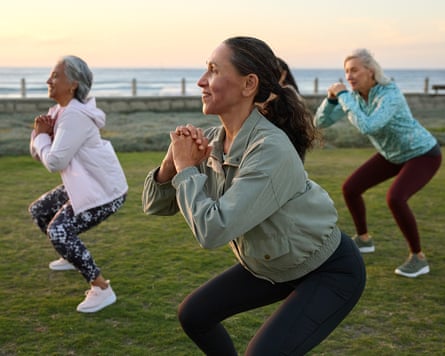
For beginners or those without access to equipment, bodyweight exercises are an excellent starting point. "I always start every lift with no weight on the bar to get the juices flowing and get your body used to engaging in the mechanics of that particular lift," says Ann Marie Chaker. This emphasizes the importance of mastering form before adding external resistance, a principle that helps prevent injury and builds a strong foundation.
To make bodyweight exercises most effective, Kate Whetsel recommends training to a point of "Reps in Reserve" (RIR). This means performing as many repetitions as possible with "good form" until you feel you could only complete two or three more reps before reaching muscular failure. This approach ensures that muscles are sufficiently challenged to stimulate growth and adaptation without overtraining or compromising technique. Bodyweight exercises such as squats, push-ups (modified as needed), lunges, planks, and glute bridges can be progressively made more challenging through variations or by increasing repetitions and sets.
Adapting and Modifying: Strength Through Smart Adjustments
One of the most crucial aspects of midlife strength training is the willingness to adapt and modify exercises. As bodies age, minor aches, stiffness, or pre-existing conditions can arise. "It can be hard to be a true beginner again. We need to set our ego aside and be bad at things," Whetsel wisely observes. Embracing modifications is a sign of intelligence and self-care, not weakness.
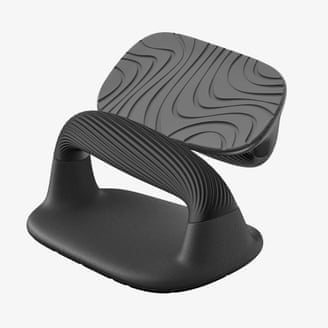
Stephanie Gaudreau emphasizes finding an appropriate "entry point" for each exercise. "If we’re talking about a squat, maybe start by having them squat to a bench. We’re controlling the range of motion." This reduces the depth and intensity, allowing the body to gradually build strength and mobility. For push-ups, which can be challenging on wrists and shoulders, a personal trainer recently advised using push-up handles. These tools, such as the Kipika Anti-Slip Push-up Handles ($25.99 at Amazon), reduce strain on the wrists by maintaining a neutral grip and enhance shoulder stability, allowing for a deeper and safer range of motion. Affordable options are also available on Amazon and Dick’s Sporting Goods.
For individuals with significant mobility issues, chronic pain, or increasingly rebellious joints, investing in a few sessions with a qualified personal trainer is highly recommended. A professional can assess individual needs, identify limitations, and design a personalized program with appropriate modifications, ensuring safety and effectiveness.
Navigating Unique Female Challenges: Perimenopause and Exercise
The conversation around exercising after 40 for women often converges on perimenopause, a period of significant hormonal fluctuation that can present unique challenges. Symptoms like hot flashes, night sweats, and increased fatigue can feel like formidable barriers to consistent workouts. However, experts offer practical strategies to minimize discomfort and maintain momentum.
Kate Whetsel suggests several tactics to "keep your cool." Sipping ice water before and during workouts helps regulate body temperature. Wearing loose, sweat-wicking activewear made from breathable fabrics is also crucial. Whetsel personally favors brands like Lululemon, Title Nine, Oiselle, and Gap for their comfortable and performance-oriented designs. Training in a well-ventilated space, or even outdoors in cooler temperatures, can also make a significant difference. She also highly recommends Frogg Toggs Instant Cooling Towels ($15.29 at Amazon), which some of her clients find indispensable, especially during summer workouts. These towels provide immediate relief, allowing for more sustained effort.

Beyond managing symptoms, understanding the body’s hormonal state can also inform workout intensity and timing. Some women find that reducing very high-intensity interval training (HIIT) and focusing more on consistent, moderate-intensity strength training, coupled with adequate rest, yields better results during this phase. Prioritizing protein intake is also vital to counteract the estrogen-related decline in muscle protein synthesis.
The Crucial Role of Recovery: The Unsung Hero of Muscle Growth and Well-being
The workout itself is only half the equation; recovery is equally, if not more, critical for muscle growth, adaptation, and overall well-being, especially as women age and estrogen, a hormone essential for lowering stress hormone levels, declines.
Kate Whetsel stresses the importance of calming exercises to reduce post-workout stress hormone levels. Techniques like box breathing, a simple yet powerful mindfulness practice, can be incredibly effective. In box breathing, you slowly inhale for a count of four, hold your breath for four, exhale for four, and hold your breath again for four, repeating the cycle. A quick yoga flow can also help stretch muscles, improve flexibility, and calm the nervous system.
However, the undisputed champion of recovery is sleep. Ann Marie Chaker emphasizes, "I try to get like eight hours of sleep each night. It’s the most important thing you can do for recovery, bar none." During deep sleep, the body repairs tissues, consolidates memories, and regulates crucial hormones like growth hormone, which is essential for muscle repair and growth, and cortisol, the stress hormone. Chronic sleep deprivation can sabotage even the most diligent workout efforts.
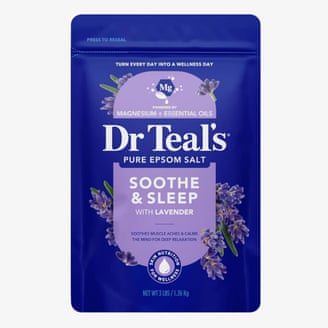
Once adequate sleep is prioritized, other recovery aids can be beneficial. Our experts frequently mentioned Epsom salt baths as a favored method. A warm bath infused with Dr. Teal’s Pure Epsom Magnesium Salt Soak ($22.21 at Amazon) can help relax sore muscles by increasing blood flow and providing magnesium, which is absorbed through the skin and aids in muscle function and relaxation. Beyond physical relief, the ritual of a warm bath can also enhance sleep quality, creating a virtuous cycle of recovery and rejuvenation.
A Holistic Approach to Empowered Aging
Embracing strength training in midlife and beyond represents a profound shift from reactive health management to proactive well-being. It’s not merely about aesthetics or hitting personal bests; it’s about investing in a robust future, maintaining independence, and enhancing the quality of every waking day. The broader implications of widespread adoption of strength training among aging populations are significant, potentially reducing the burden on healthcare systems by mitigating the prevalence of chronic diseases and fall-related injuries.
The journey of aging is inevitable, but its trajectory is profoundly influenced by conscious choices. By demystifying strength training and making it accessible and adaptable, experts are empowering women over 40 to redefine what it means to age powerfully. It’s a testament to the body’s incredible capacity for adaptation and resilience, proving that with the right approach, strength, vitality, and empowerment can indeed be lifelong companions.