Reynand Wu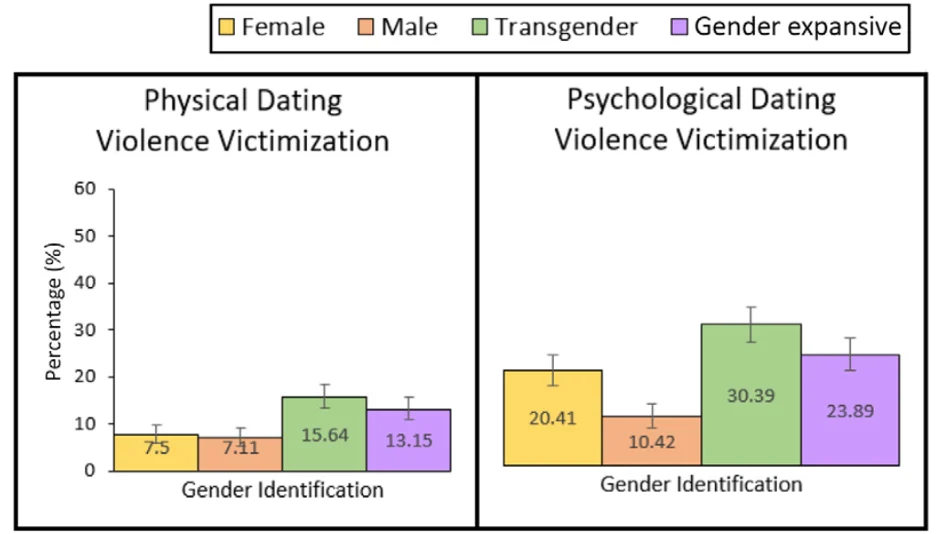
In recent years, the evolving landscape of romantic and sexual relationships has drawn significant attention from sociologists, prompting in-depth analyses of phenomena such as hookup culture and the myriad modern forms of dating. However, a critical examination reveals a pervasive oversight within much of this discourse: the experiences of transgender individuals are frequently marginalized or entirely absent. Furthermore, a disproportionate focus on the college campus as the primary site of modern dating often fails to capture the broader societal impact of dating apps, which have become ubiquitous across diverse age groups and demographics. This narrow scope inadvertently perpetuates a gap in understanding, leaving the unique challenges and vulnerabilities faced by trans people largely unaddressed.
The Landscape of Trans Dating: A Veil of Vulnerability
The exclusion of trans experiences from mainstream dating narratives is particularly concerning given the documented disparities in safety and well-being. Research consistently highlights the heightened risks trans individuals encounter when seeking romantic or sexual partners. A 2021 study, for instance, delivered stark findings: trans youth are twice as likely as cisgender women to have experienced physical dating violence. The threat extends beyond physical harm, with trans youth also reported to be fifty percent more likely to have endured psychological dating violence. These statistics underscore a profound vulnerability that demands focused attention.
Beyond the quantifiable data, the qualitative experiences paint a vivid picture of the challenges. A subsequent 2023 study delved into the common dating experiences of trans individuals, identifying pervasive issues of fetishization and the constant burden of confronting others’ preconceived assumptions. Participants frequently described feeling reduced to a stereotype rather than being seen as their authentic selves. One trans woman articulated this frustration, stating, "Because I’m a trans woman, people instantly assume that I must be this massive bottom." Similarly, a trans man recounted a profound sense of detachment in interactions, observing, "I just felt like they weren’t talking to me. They were talking to an idea they had about me." These sentiments reflect a deeply dehumanizing experience, where identity is distorted through the lens of prejudice and stereotype, stripping away genuine connection. This intellectual and emotional burden of constantly correcting misconceptions or navigating harmful assumptions adds a layer of anxiety to dating that cisgender individuals rarely face.
Disclosure in the Digital Age: A Strategic Imperative
The advent of dating apps, while offering expanded opportunities for connection, also introduces a complex dynamic for trans individuals regarding identity disclosure. For many, the decision to reveal their trans identity to prospective partners is not merely a matter of honesty but a critical safety calculation. Research examining trans people’s decisions around disclosure on dating apps reveals that most proactively and explicitly share their identity. This often stems from legitimate concerns about personal safety and the potential for violence. The gravity of this decision was chillingly articulated by one genderfluid participant living in a rural area, who confessed that when meeting someone face-to-face from a dating app, they invariably thought, "that person could be the person that kills me." This speaks to the very real and existential threat that underpins many trans individuals’ dating lives, particularly in less accepting environments.
However, not all disclosures are explicit or immediate. Some trans individuals opt for "softer disclosure methods," strategically showcasing different facets of their identity through multiple profile pictures or subtle cues on apps that allow for richer visual representation. These nuanced approaches can serve as a form of self-protection, allowing individuals to gauge a potential partner’s receptiveness or understanding before committing to a direct verbal disclosure. The choice between proactive, explicit disclosure and more subtle signaling often depends on an individual’s personal comfort level, their perceived safety in a given context, and their past experiences, highlighting the intricate psychological labor involved in navigating these interactions. The digital realm, while ostensibly offering anonymity, often becomes a fraught space where identity management is a constant, high-stakes endeavor.
Intersectionality: Where Vulnerabilities Converge
The vulnerabilities within the trans community are not uniform; they are often amplified by intersecting identities, leading to compounded risks. A separate 2021 study illuminated this reality, finding that Black, Indigenous, and People of Color (BIPOC) individuals, queer individuals, and transfeminine people are disproportionately more likely to have experienced dating violence. This intersectional lens reveals how systemic racism, homophobia, and transphobia combine to create layers of marginalization, placing certain segments of the trans community at even greater peril.
The experiences of BIPOC trans women, in particular, warrant specific attention. A 2022 study meticulously explored their dating lives, uncovering a distressing pattern: their cis male partners frequently concealed their relationships from the public eye. This pervasive stigma of dating a trans woman, particularly a trans woman of color, led to severe consequences, ranging from physical violence to profound psychological trauma. One participant powerfully articulated the life-threatening implications of this secrecy, stating, "We getting killed just because of the guys here were scared that they secret would come out." The fear of exposure, driven by societal transphobia and toxic masculinity, often translates into direct harm for trans women, who bear the brunt of their partners’ anxieties and prejudices.
In response to these pervasive threats, many BIPOC trans women develop sophisticated "survival strategies." These include hypervigilance in social settings, carefully curating their appearance to avoid being "found out," and strategically avoiding certain men or situations perceived as high-risk. These strategies, while essential for personal safety, extract a heavy psychological toll, fostering a constant state of anxiety and diminishing the possibility of genuine, unburdened intimacy. The constant need to assess threats, manage public perception, and adapt behavior to mitigate danger creates a life lived under perpetual stress, far removed from the idealized romantic narratives often depicted in mainstream culture.
Addressing the Gaps: Pathways to a Safer Future
Recognizing the multifaceted challenges faced by trans individuals in dating, researchers and advocates have proposed several critical remedies aimed at fostering safer and more inclusive environments. These solutions span educational, technological, and legal domains.
Firstly, a foundational recommendation is the implementation of comprehensive, trans-inclusive education. This encompasses a broad spectrum of learning environments, from school curricula and sex education programs to specialized violence prevention training. Such education is not merely about awareness; it is designed to cultivate understanding, empathy, and respect, thereby creating environments where trans people and their partners feel more comfortable and secure. By integrating accurate information about gender identity, respectful communication, and healthy relationship dynamics that explicitly include trans experiences, these educational initiatives can dismantle stereotypes, challenge prejudice, and ultimately reduce the likelihood of violence and discrimination. Programs that promote bystander intervention and address the root causes of transphobic violence are particularly vital.
Secondly, the responsibility of dating app platforms cannot be overstated. Users, particularly trans individuals, express a strong desire for better filtering options that would allow them to curate their dating pool more effectively and avoid harmful interactions. As one person candidly remarked in a study, "The majority of the interactions I have with cis men on dating apps are just shit, full stop . . . can I have less of them pop up?" This highlights a critical need for dating app developers to move beyond basic gender options and implement sophisticated filtering tools that empower trans users to define their preferences and safety parameters more precisely. This could include options to filter out users who express transphobic views, or to only display profiles that explicitly affirm trans identities. Beyond filtering, apps must also bolster their reporting mechanisms, ensure swift action against discriminatory behavior, and proactively foster inclusive community guidelines.
Finally, legal reform is a crucial component of ensuring justice and safety. Specifically, several study authors and legal advocacy groups strongly recommend the prohibition of "trans panic defenses." A trans panic defense is a legal strategy wherein a perpetrator of a violent crime attempts to justify their actions, including assault or murder, by claiming a temporary loss of control after discovering their victim is transgender. This defense, rooted in transphobia and prejudice, essentially attempts to shift blame from the assailant to the victim’s identity. Such defenses have historically been used to mitigate sentences or even secure acquittals for violent crimes against LGBTQ+ individuals. Banning these defenses sends a clear message that a person’s gender identity is never an excuse for violence and reinforces the principle of equal protection under the law. As of late 2023, several U.S. states and territories have banned the trans panic defense, but efforts continue nationwide to eliminate this discriminatory legal loophole.
Broader Societal Implications and the Call for Allyship
The challenges trans individuals face in their romantic and sexual lives are inextricably linked to the broader socio-political climate. Trans people are currently experiencing unprecedented levels of visibility, a phenomenon often described as a paradox: increased representation exists alongside a dramatic surge in legislative attacks targeting their rights and existence. From restrictions on gender-affirming care to attempts to limit public accommodations, the political landscape is increasingly hostile. This hostile environment inevitably permeates personal interactions, making the pursuit of romantic connection a particularly fraught endeavor.
The implications of this research extend beyond the immediate experiences of dating. A society that fails to protect and affirm its most vulnerable members is a society that ultimately diminishes itself. Creating a safer and less anxious future for trans people in their search for romantic and sexual partners is not just a matter of individual well-being; it is a fundamental aspect of achieving true equity and justice. This requires not only systemic changes in education, technology, and law but also a profound shift in societal attitudes. Allies play a crucial role in challenging transphobia, advocating for inclusive policies, and creating spaces where trans individuals can experience genuine connection without fear. The journey towards a truly equitable romantic landscape for trans people is ongoing, demanding sustained effort, empathy, and a commitment to dismantling the prejudices that continue to endanger and marginalize them.
Leah Long is a history and sociology student at Macalester College who researches and writes about trans history and politics.