Reynand Wu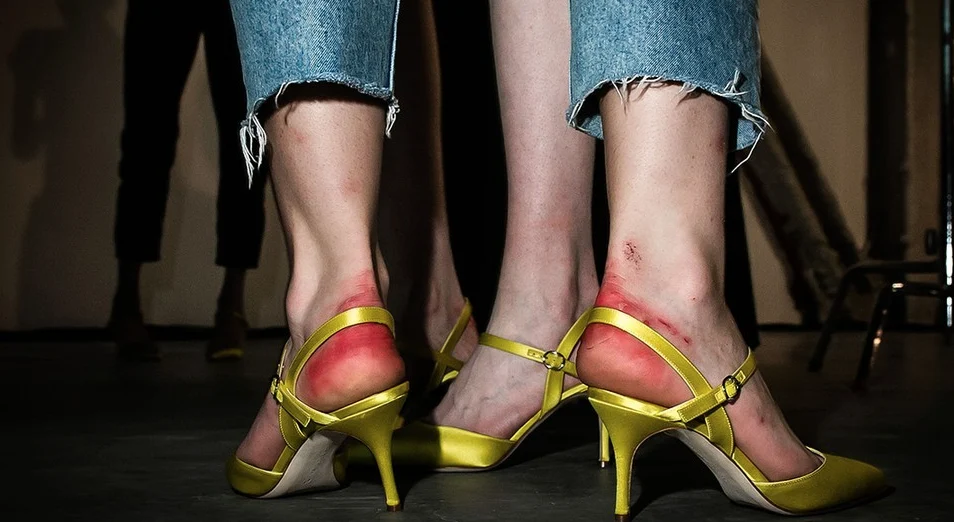
A recent photographic exposé by Dina Litovsky, widely circulated across platforms like Instagram and subsequently reposted by esteemed outlets such as National Geographic, has once again brought the hidden tolls of high fashion into sharp focus. The image, capturing a model’s visibly inflamed feet squeezed into slingback heels during a Fashion Week event, rapidly amassed over 500,000 likes and a torrent of comments. These reactions overwhelmingly condemned the fashion industry’s perceived prioritization of aesthetic ideals over the physical well-being of its human canvases. This incident is far from isolated; it echoes a similar uproar in 2012 when photographs depicting the battered and bruised feet of runway models at Louis Vuitton’s Paris show circulated widely, sparking a comparable wave of public concern. The recurring nature of these viral images underscores a persistent and systemic issue within the fashion world, prompting a re-evaluation of professional norms, beauty standards, and the silent suffering endured by those who embody them.
A Recurring Narrative: The Chronic Pain Behind the Posing
The image by Dina Litovsky, an acclaimed photojournalist known for her penetrating gaze into cultural phenomena, served as a stark, unvarnished look at the realities behind the glamour. Taken during a pivotal fashion event, it visually articulated the physical duress that models frequently undergo. The inflamed skin, the tell-tale marks of ill-fitting or excessively demanding footwear, resonated deeply with an online audience increasingly critical of unrealistic beauty standards. The subsequent spread by influential Instagram accounts and a prestigious platform like National Geographic amplified its reach, transforming a single photograph into a potent symbol of a larger problem. The comments section beneath these posts became a forum for collective indignation, with users lamenting the perceived exploitation of models and questioning an industry that seems to valorize endurance of pain as a mark of professionalism.
This is not a new conversation, but rather a cyclical one. The 2012 Louis Vuitton incident, where close-up shots revealed feet marred by blisters, swelling, and abrasions after a grueling month of Fashion Week shows, served as an earlier, equally impactful precursor. Such occurrences highlight a long-standing tension within the industry: the desire for visually striking, often avant-garde, designs frequently comes at the expense of practicality and comfort for the models tasked with showcasing them. Designers push boundaries, and models, often under immense pressure, are expected to perform flawlessly, regardless of the physical discomfort or potential injury.
The "Aesthetic Laborer": Commodification and Constrained Agency
The fashion industry, particularly its high-end segment, operates on an intricate balance of artistic vision, commercial imperatives, and the cultivation of aspirational imagery. At the heart of this system are the models, who are simultaneously celebrated figures and, as sociologist Ashley Mears describes in her ethnography Pricing Beauty, "aesthetic laborers." Their bodies are not merely vessels for clothing but are commoditized, becoming living embodiments of cultural ideals pertaining to gender, race, class, and sexual identity. This commodification often leads to a paradoxical existence for models: while they are empowered by the industry’s exclusivity and idealism, they often experience dogged, yet isolating, working conditions.
One of the most visible manifestations of this dynamic is the expectation placed upon models regarding footwear. Runway shoes frequently teeter on the edge of wearability, sometimes designed more as sculptural elements than practical garments. Models can, and have, refused to wear outrageous or unwearable shoes – historical examples include Naomi Campbell famously falling on the Vivienne Westwood runway in towering platforms in 1993, and Lindsey Wixson speaking out about injuries sustained from impractical footwear. However, such refusals come with significant professional risks. Models, particularly those with lower status or prestige within the hierarchical industry, can be judged as unprofessional, difficult, or uncommitted, potentially jeopardizing future bookings and career advancement. This dynamic creates a coercive environment where enduring pain becomes an unofficial prerequisite for professional success.
The industry often subtly, and sometimes overtly, praises models for their ability to endure long shoots, hold uncomfortable poses, and navigate challenging ensembles. Campaigns, such as Kendall Jenner for Stella McCartney Winter 2023 or Loewe Fall/Winter 2023, frequently feature models in contortionist or physically demanding stances, normalizing the idea that high fashion requires a certain level of physical endurance and discomfort. Phrases like "beauty is pain" and "look good, feel good" are not just catchy slogans but deeply embedded cultural narratives that link one’s appearance to their inherent value and capabilities. On the catwalk, these professional norms severely skew models’ agency, compelling them to pay a price in pain to justify, uphold, and maintain a professional image.
Beyond Blisters: The Deeper Implications of Unwearable Fashion
The impact of such practices extends far beyond temporary discomfort. Podiatrists and medical experts frequently warn against the long-term health consequences of wearing ill-fitting or excessively high heels. Chronic use can lead to a range of musculoskeletal issues, including bunions, hammertoes, corns, calluses, nerve damage (neuromas), Achilles tendon shortening, and even exacerbate conditions like osteoarthritis in the knees and hips. The constant pressure on the balls of the feet and the unnatural arching of the foot can alter gait and posture, leading to chronic back pain. While models may endure these for short periods, the cumulative effect over a career can be significant. The industry’s failure to adequately address these concerns represents a broader neglect of occupational health and safety for its workforce.
Furthermore, the psychological toll on models is substantial. The constant pressure to maintain an idealized physique, coupled with the physical demands and often isolating nature of the work, can contribute to stress, anxiety, and body image issues. The inherent instability of modeling careers, where one’s livelihood is tied to fleeting trends and subjective aesthetic judgments, further exacerbates these pressures. The viral images of inflamed feet, therefore, serve not only as a critique of footwear design but also as a broader indictment of an industry that often overlooks the human element in its pursuit of artistic expression and commercial success.
The Societal Echo: From Runway to Everyday Life
The issues brought to light by these viral images are not confined to the exclusive world of high fashion. They resonate deeply within broader consumer culture, particularly concerning gendered beauty ideals and the pervasive notion of "self-optimization." Jia Tolentino, in her insightful essay "Always Be Optimizing" from Trick Mirror, eloquently connects the pursuit of pain and suffering to the modern imperative of self-optimization. Narrating her experiences with intense Pilates and barre workouts, Tolentino argues that contemporary beauty ideals, often gendered, have transformed into a relentless pursuit of physical perfection, subtly masking oppressive cultural standards.
These painful practices, whether in high heels or grueling exercise routines, are frequently obscured under the guise of "self-care" or personal empowerment. The narrative suggests that by "sweating it out" or enduring discomfort, one is not only achieving a toned and sculpted body but also demonstrating agency and commitment to self-improvement. This illusion of agency is crucial: individuals are led to believe they are actively choosing to "optimize" their appearance, rather than conforming to deeply ingrained societal expectations. The lures of "look good, feel good" and the enduring adage "beauty is pain" serve to justify the aches and pains, transforming them into badges of honor in the quest for an idealized womanly figure.
Shoes, in this context, become more than mere accessories. They are powerful vehicles for conveying and reinforcing gendered cultural and societal expectations, standards, and ideals. From the historical evolution of high heels as symbols of status and power to their modern-day association with femininity and allure, footwear carries significant semiotic weight. When these symbols demand physical suffering, whether on the runway or in daily life, they underscore a pervasive cultural belief that women’s bodies must be molded, disciplined, and sometimes punished, to conform to prescribed notions of beauty.
Calls for Change and Industry Accountability
The sustained public reaction to images like Litovsky’s suggests a growing intolerance for the unchecked pursuit of aesthetics at the expense of human welfare. While direct "official responses" from fashion houses or industry bodies are often slow or non-existent in the immediate aftermath of such viral moments, the cumulative pressure from public outcry, media scrutiny, and internal advocacy groups within the fashion industry is gradually fostering a climate where model welfare is gaining more traction. Organizations like the Model Alliance have long advocated for better working conditions, fair pay, and health protections for models, pushing for legislative changes and ethical standards.
The conversation needs to shift from celebrating endurance to prioritizing health and safety. This would involve designers creating footwear that is not only visually stunning but also ergonomically sound. It would require fashion show producers to allocate sufficient time for models to adapt to challenging footwear, and to provide proper medical support on set. Most importantly, it would necessitate a fundamental re-evaluation of what constitutes "professionalism" in modeling, moving away from a metric of pain endurance towards one that values talent, skill, and human dignity.
In conclusion, the viral images of models’ inflamed feet serve as poignant reminders of the hidden costs of glamour. They illuminate the intricate web of artistic vision, commercial pressures, and deeply ingrained cultural expectations that shape the fashion industry. As these images continue to circulate, they fuel an ongoing and necessary dialogue about the ethical responsibilities of the industry, the well-being of its workforce, and the broader societal implications of a "beauty is pain" paradigm that continues to demand sacrifice, both on and off the runway. The challenge for the fashion world, and for society at large, is to move beyond mere aesthetic appreciation and towards a more humane and sustainable vision of beauty.