
 Reynand Wu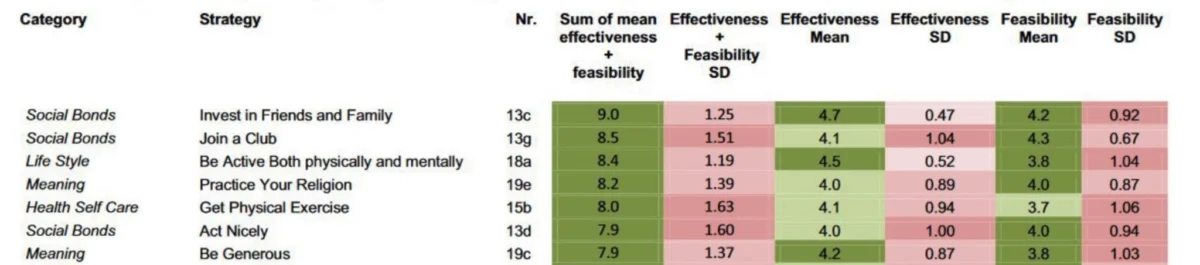
As the new year unfolds, marking another surge in COVID-19 cases across the nation, a pervasive sense of weariness and despondency has become increasingly palpable. This collective mood is not merely anecdotal; robust survey data, meticulously gathered over the past two years, paints a stark picture of declining self-reported happiness, signaling a profound shift in the nation’s psychological landscape. This trend, first observed early in the pandemic, has shown no signs of abating, continuing its downward trajectory as the crisis lingers.
The Unfolding Crisis: Data from the General Social Survey
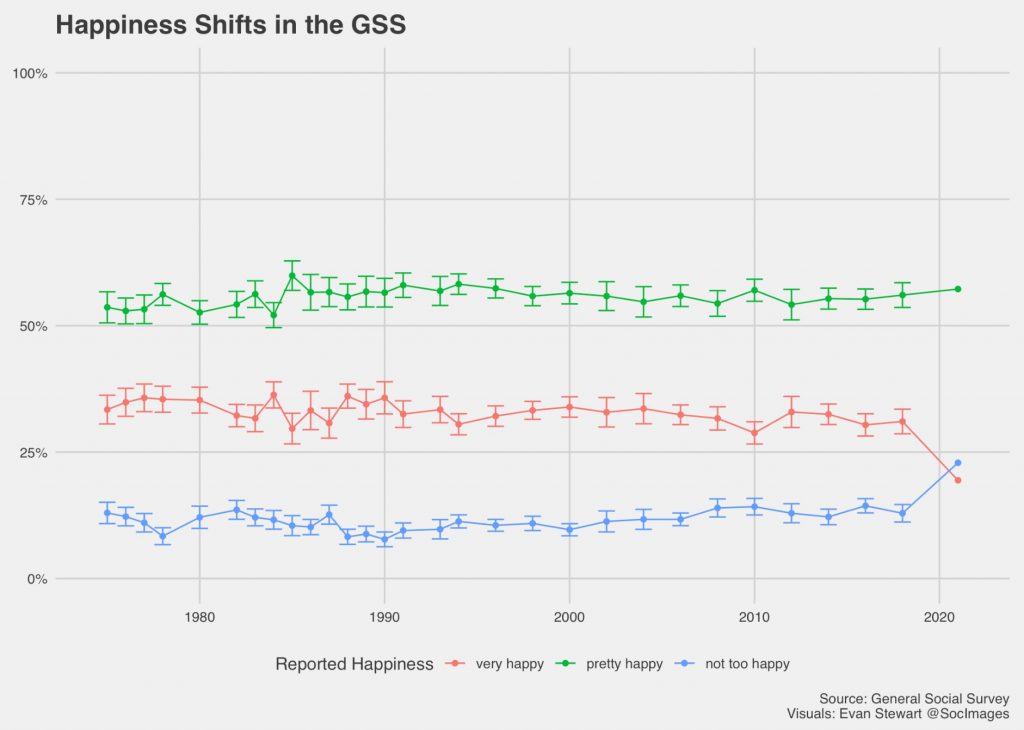
The General Social Survey (GSS), a seminal sociological study conducted by the National Opinion Research Center (NORC) at the University of Chicago, has long served as a critical barometer for tracking societal attitudes and well-being in the United States. Its recent data release confirms what many have intuitively felt: a significant drop in self-reported happiness among Americans. Since its inception in 1972, the GSS has periodically asked respondents about their general happiness, categorizing answers into "very happy," "pretty happy," and "not too happy." The latest figures reveal a concerning increase in those reporting being "not too happy" and a corresponding decrease in those identifying as "very happy" in 2021.
While the GSS noted that a portion of this observed shift could be attributed to its recent transition to an online administration method, the consistency of this pattern with NORC’s own previous pandemic tracking surveys lends significant credibility to the findings. This suggests that the decline in happiness is not merely a methodological artifact but a genuine reflection of widespread emotional strain. The GSS, by offering a consistent longitudinal dataset, provides an invaluable historical context, allowing researchers to compare current sentiments against decades of pre-pandemic baselines, further underscoring the severity of the present decline. The pre-pandemic era already presented challenges to collective well-being, but the COVID-19 crisis appears to have exacerbated existing vulnerabilities and introduced new stressors on an unprecedented scale.
A Chronology of Cumulative Stress and Its Impact on Well-being
The timeline of the pandemic’s impact on mental health and happiness reveals a pattern of cumulative stress. In early 2020, as the novel coronavirus first swept across the globe, an initial shock gave way to varied responses. While some communities experienced a temporary surge of solidarity and mutual support, the rapid onset of lockdowns, economic uncertainty, and the pervasive fear of illness and death quickly began to erode collective well-being. Surveys from this period, including early GSS insights, indicated an immediate dip in optimism and an increase in anxiety and distress.
As 2020 progressed into 2021, the prolonged nature of the crisis became a dominant factor. Hopes for a quick resolution were repeatedly dashed by new variants, vaccine hesitancy, and the ongoing politicization of public health measures. This extended period of uncertainty, coupled with sustained social isolation, remote work challenges, educational disruptions, and the tragic loss of life, took a significant toll. Public health organizations, including the Centers for Disease Control and Prevention (CDC) and the World Health Organization (WHO), began reporting alarming increases in symptoms of anxiety, depression, and substance use disorders across various demographics. Young people, essential workers, and individuals with pre-existing mental health conditions were particularly hard hit, facing unique stressors and often limited access to adequate support systems. The concept of "pandemic fatigue" became a recognized phenomenon, describing the exhaustion and demotivation resulting from prolonged exposure to crisis conditions and the erosion of normal routines.
The current landscape, marked by yet another wave of high case counts, underscores the persistent challenges. Even with widely available vaccines and improved treatments, the societal and psychological aftershocks of the pandemic continue to reverberate. The GSS data from 2021, reflecting a continued downward trend in happiness, captures this prolonged distress, highlighting that the initial shock has transitioned into a more chronic state of diminished well-being.
Sociology’s Lens: Understanding Happiness Beyond the Individual
The observation of these troubling trends has prompted renewed academic inquiry into the nature of happiness and well-being. For sociologists, particularly those embarking on teaching foundational courses like Introduction to Sociology, these data points are not just statistics but urgent calls to action. The field is uniquely positioned to address the critical question: how can sociology contribute meaningfully to improving the world, especially during such trying times? This query extends beyond academic curiosity, resonating with students who seek to understand how their chosen field can offer practical solutions to pressing societal issues.
In this context, a specific study, published in Springer Nature in 2019 and gaining significant traction across social media platforms like Twitter in late 2021 and early 2022, offers a compelling framework. This research involved conducting extensive interviews and surveys with a diverse panel of experts in the field of happiness research. These experts, comprising psychologists, sociologists, economists, and public health specialists, were asked to rank interventions most likely to enhance life satisfaction, drawing upon their comprehensive understanding of existing research literature. The study’s findings presented two critical insights that have particular resonance in the current environment.
Expert Consensus: Personal and Policy Solutions for Well-being
Firstly, the study distinguished between personal solutions and policy solutions for improving life satisfaction. This distinction is profoundly significant because popular discourse often frames individual happiness as an entirely personal endeavor, heavily promoted by a burgeoning self-help industry. While individual agency is undoubtedly a component, this expert consensus underscores that well-being is intrinsically linked to collective conditions and societal structures. Acknowledging policy solutions moves the conversation beyond individual responsibility, highlighting that systemic factors and governmental actions play a crucial role in fostering an environment conducive to widespread happiness. This perspective aligns perfectly with the sociological understanding that individual experiences are shaped by broader social forces.
Secondly, and perhaps most strikingly, a significant number of the top-ranked solutions identified by these experts—across both personal and policy categories—explicitly revolved around the theme of social relationships. The experts’ consensus on the centrality of social bonds was not merely high in rating but also demonstrated remarkably low standard deviations, indicating a strong agreement among diverse specialists regarding their importance.
For personal solutions, two of the foremost recommendations were "investing in friends and family" and "joining a club" or community group. These suggestions emphasize proactive engagement in cultivating and nurturing close interpersonal connections, whether through dedicated time with loved ones, participation in shared hobbies, or involvement in local organizations. Such actions foster a sense of belonging, provide mutual support, and combat the isolation that has become a hallmark of the pandemic era.
On the policy front, experts highlighted initiatives such as "promoting voluntary work or civil service" and "reducing loneliness." These policy recommendations suggest that governments and public institutions have a vital role in creating structures that facilitate social interaction and mitigate social isolation. This could involve funding community centers, supporting volunteer organizations, designing urban spaces that encourage public gathering, or implementing public health campaigns aimed at raising awareness about and addressing loneliness as a public health concern. The implication is clear: fostering social capital and strengthening community ties should be a priority for public policy, not merely an individual pursuit.
The Broader Implications and Call to Action
While expert consensus studies inherently reflect the current conventional wisdom and possess certain limitations, this particular research offers profound insights into the positive stakes of sociology and related fields. It compellingly argues that developing a deeper understanding of our relationships and actively investing in them transcends the realm of mere self-help fads. Instead, it elevates the cultivation of social bonds to a legitimate social policy priority, a critical strategy for navigating and recovering from tough times collectively.
The implications of these findings are far-reaching, touching upon various facets of society:
- Public Health Strategy: Mental health and social well-being must be integrated more robustly into public health frameworks. Beyond treating illness, public health initiatives should proactively promote social connection, community engagement, and resilience building.
- Governmental Policy: Policymakers should consider the "social impact" of legislation, prioritizing measures that reduce social isolation, strengthen community infrastructure, and provide opportunities for civic engagement. This includes investments in public spaces, support for non-profit organizations, and programs that facilitate intergenerational connection.
- Educational Institutions: As highlighted by the original author’s reflection, universities and schools have a responsibility to support student well-being, not just academic achievement. This means fostering environments that encourage social integration, offer mental health resources, and teach skills for healthy relationship building.
- Community Building: Local communities, grassroots organizations, and faith-based groups are vital in creating networks of support. Empowering these entities through funding, resources, and recognition can significantly enhance collective well-being.
- Economic Impact: The link between well-being and productivity is well-established. A happier, more connected populace is likely to be healthier, more engaged, and more productive, leading to broader economic benefits and reduced healthcare costs associated with mental illness.
The ongoing pandemic has laid bare the fragility of both individual and collective well-being. The persistent decline in self-reported happiness, corroborated by the General Social Survey and other indicators, is a stark reminder of the profound psychological toll exacted by prolonged crisis. However, the expert consensus on the power of social relationships offers a beacon of hope and a clear path forward. By understanding happiness not just as an individual state but as a deeply social phenomenon, and by actively pursuing both personal and policy solutions that prioritize human connection, society can begin to mend the frayed fabric of community and build a more resilient, happier future.
Evan Stewart, an assistant professor of sociology at the University of Massachusetts Boston, whose work consistently explores the intersection of social trends and individual experience, offers a vital perspective on these challenges. His insights underscore how sociology, with its focus on social structures and interactions, provides essential tools for understanding and addressing the complex issues of happiness and well-being in an interconnected world. Through continued research, informed policy, and a renewed commitment to fostering robust social bonds, the nation can collectively navigate the ongoing aftermath of the pandemic and rebuild a foundation for lasting societal happiness.







