Layla Zulfa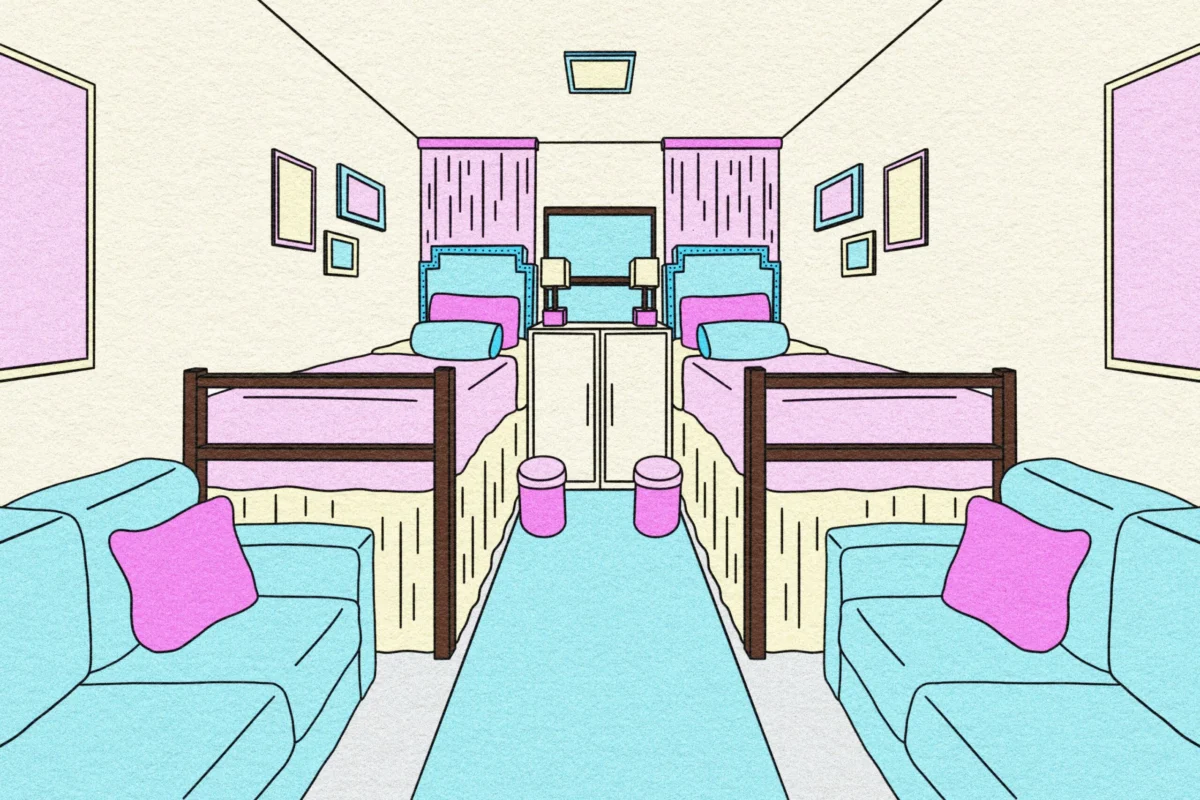
The modern American college dormitory, once defined by cinderblock walls, utilitarian bunk beds, and haphazard personal belongings, has undergone a radical transformation. Today, high-end interior design has permeated the collegiate housing market, turning student living quarters into meticulously curated, "Instagrammable" sanctuaries. This shift, driven by social media influence, the professionalization of dorm decor, and the evolving expectations of Greek life, has turned the traditional dorm room into a high-stakes display of personal branding and aesthetic alignment.
The Evolution of Campus Aesthetics
Historically, dorm room decoration was a modest endeavor, typically involving posters, string lights, and bedding purchased from big-box retailers. The goal was simple: to make a sterile, temporary space feel like home. However, the rise of "RushTok"—the viral TikTok phenomenon documenting the grueling and highly aestheticized sorority recruitment process—has fundamentally altered this landscape.
For many incoming freshmen, particularly at Southern and Midwestern universities, the dorm room is no longer just a place to sleep; it is a backdrop for content creation and a tangible extension of one’s personal brand. Interviews with current students reveal that prospective sorority members are now routinely questioned about their living spaces during recruitment, with "color schemes" and design themes serving as proxies for social compatibility and organizational fit. This environment creates a form of "comparison culture" where students are not merely decorating for personal comfort, but for peer approval and digital validation.
The Professionalization of Dorm Design
The demand for a "designed" look has spawned a lucrative niche market for interior designers. What began as a DIY hobby for parents and students has matured into a multi-million-dollar industry. Professionals like Shelly Gates of Mary Margaret Designs and MK Decker, an artist and product designer, have become fixtures in this space. Reports indicate that top-tier dorm makeovers can cost parents anywhere from a few thousand to upwards of $20,000, depending on the level of customization.
This professionalization involves the same rigor applied to high-end residential projects. Designers are now sourcing bespoke furniture, custom-monogrammed textiles, and professional-grade wall treatments to maximize the utility of cramped, non-standard floor plans.
Chronology of a Trend
- 2015: The "serious" dorm decorating trend begins to gain momentum as social media platforms like Pinterest and early Instagram begin to emphasize the aesthetic value of small spaces.
- 2019: Entrepreneurs like MK Decker transition from personal dorm projects to full-scale product lines, recognizing the demand for coordinated bedding, curtains, and artwork.
- 2021–2022: The explosion of "RushTok" on TikTok brings the internal culture of Southern sorority houses to a global audience, normalizing the expectation of high-fashion, high-design environments for college students.
- 2025: The launch of companies like Dormie marks the institutionalization of the market, offering curated "design kits" that simplify the process for families, effectively creating a "dorm room industrial complex."
Data and Market Dynamics
While industry-specific revenue for dorm design remains private, the broader home decor market provides context. According to the National Retail Federation, back-to-school and back-to-college spending reached record highs in recent years, with furniture and decor accounting for a significant portion of the total budget.
For the average student, the cost of a "designer" room can represent a significant financial commitment. However, designers argue that their services provide value beyond aesthetics. Jen Segall, a Chicago-based designer, emphasizes that while she provides professional design services for dorms, she attempts to keep her fees accessible to avoid the pitfalls of unchecked excess. Conversely, companies like Dormie are attempting to bridge the gap by providing digital design documents and pre-vetted product kits, allowing for a professional look without the full cost of a bespoke interior design commission.
The Sociological Implications of the "Perfect" Dorm
The pressure to curate a flawless living space has led to growing concerns among educators and parents regarding the emotional toll of such expectations. The move toward a standardized, high-end look can, paradoxically, stifle individuality. When every room is designed to match a specific "aesthetic" found on social media, the potential for self-discovery—often the primary goal of the college experience—may be diminished.
Caroline DeRossette, a parent observer, notes that the competition to have the "best" room can foster a sense of inadequacy among students whose families cannot afford such luxuries. This disparity highlights a broader socioeconomic divide on campus. In response, initiatives like Ebony Staten’s The Vogue Foundation have emerged to level the playing field. By providing free design services to first-generation college students, these organizations aim to ensure that the feeling of being "invested in" is not reserved exclusively for those with the financial means to hire professional designers.
The Role of Social Media in Design
The influence of digital media cannot be overstated. Michele Gratch, an interior designer based in Atlanta, notes that the "stylized and edited" nature of social media platforms creates a permanent, public record of a student’s living space. Because every story and video is archived, students feel a heightened sense of pressure to maintain a certain image.
This phenomenon is most acute for young women, who often navigate intense social hierarchies during their freshman year. The dorm room serves as the "stage" for this social performance. As Gratch observes, even students who do not identify as influencers are curating their spaces with the intention of creating content that resonates with a wider audience.
Official Responses and Future Outlook
As universities look toward the future, the question arises whether administrations will need to intervene in the "dorm room industrial complex." Currently, most institutions maintain strict policies regarding what can be hung on walls or how rooms can be modified to protect the integrity of the building. However, the rise of professional installation services—where designers arrive on move-in day to assemble custom headboards and wall-mounted art—is forcing universities to reconsider their housing regulations.
While the trend shows no sign of slowing, some designers are beginning to push back against the culture of excess. There is a nascent movement toward "meaningful design"—spaces that focus on functional comfort and personal history rather than fleeting trends. As the novelty of the "viral dorm" begins to wane, the industry may see a shift toward more sustainable, budget-conscious design that prioritizes the student’s mental well-being over the perceived prestige of the room’s appearance.
Conclusion
The transformation of the dorm room from a functional living space to a curated, professionalized environment is a reflection of the broader digital age, where the boundary between private life and public display has become increasingly porous. While the industry provides legitimate services and creative outlets for many, it also highlights the increasing pressure on young adults to maintain a perfect aesthetic. Whether this trend represents a permanent change in collegiate culture or a fleeting response to social media influence remains to be seen. What is clear, however, is that the college dorm has become one of the latest battlegrounds for class, identity, and the relentless pursuit of the "perfect" life.