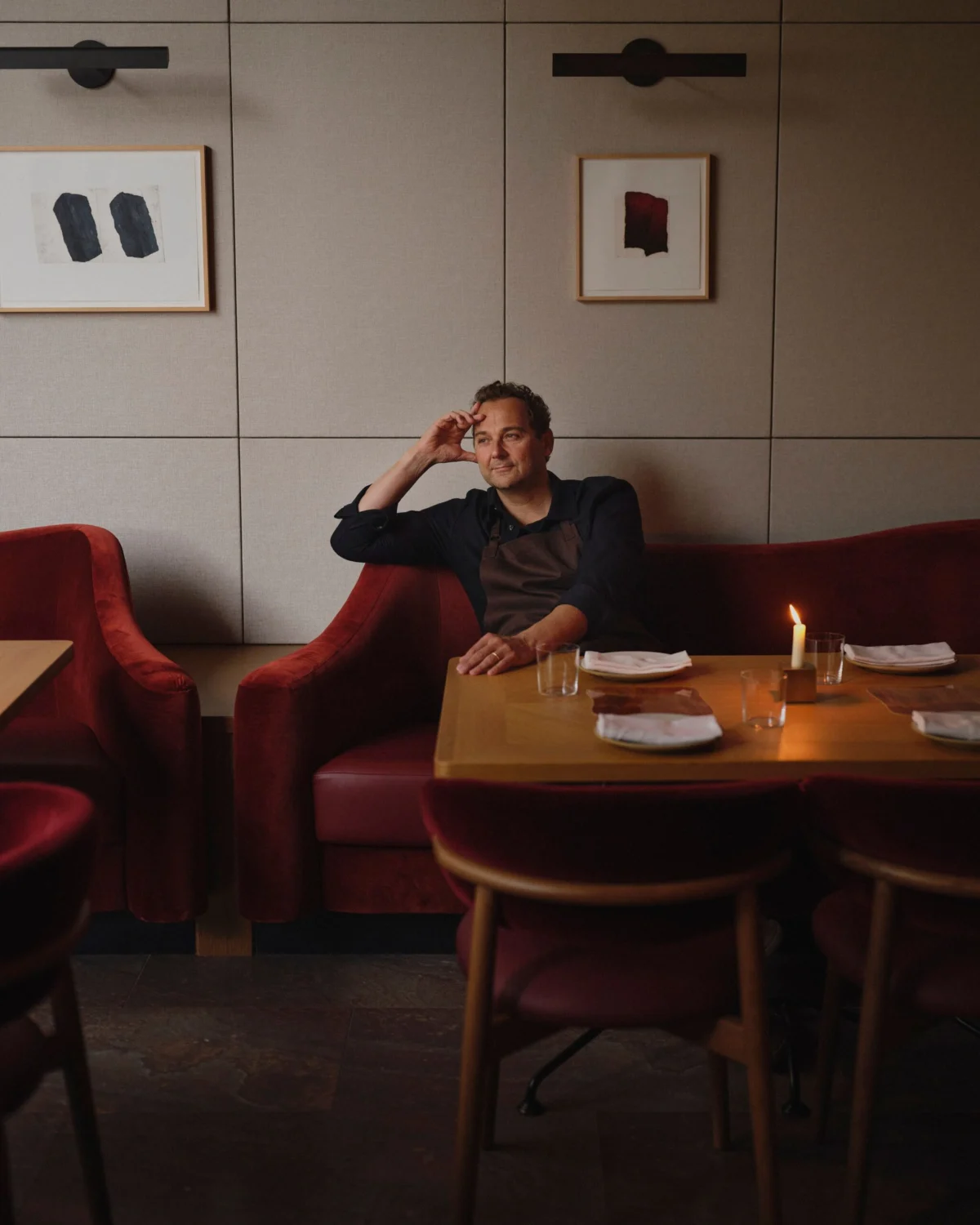
Danny Garick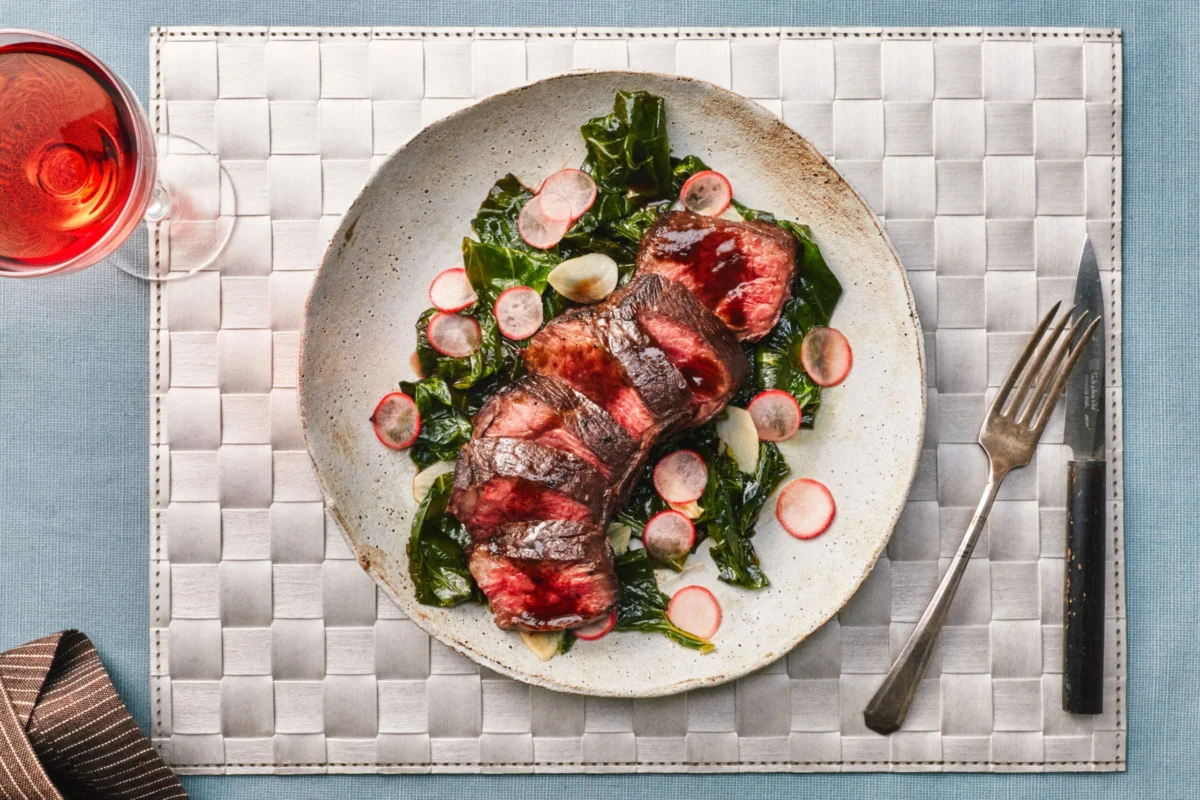
The shifting landscape of American domestic life has catalyzed a significant transformation in the way meals are conceived, prepared, and consumed, with a growing emphasis on the "solo diner" demographic that now comprises nearly 30 percent of the United States population. As households evolve, the culinary industry is responding to a demand for recipes that prioritize the individual over the group, a movement exemplified by the "Me, Myself, and Dinner" initiative which advocates for high-quality, single-serving meals. Central to this movement is the recognition that cooking for oneself should not be viewed as a chore or a compromise involving pre-packaged shortcuts, but rather as an opportunity for professional-level technique and ingredient exploration. This trend is particularly evident among professional cooks who, when freed from the logistical constraints of feeding a family or a crowd, often turn to specialized cuts of meat like the boneless short rib and complex flavor profiles involving dashi and quick-pickled aromatics to elevate their personal dining experience.
Demographic Shifts and the Solo Economy
The rise of solo dining is more than a culinary preference; it is a reflection of a profound demographic shift. According to data from the U.S. Census Bureau, the number of single-person households has increased steadily over the last several decades, rising from 13 percent in 1960 to approximately 29 percent in recent years. This "solo economy" has significant implications for the grocery and restaurant industries. Historically, recipes and food packaging have been designed for the "nuclear family" model, typically serving four to six people. This often leads to food waste or the "leftover fatigue" that discourages single individuals from engaging in complex cooking.
Market analysts observe that the solo diner is increasingly looking for "attainable luxury." While a high-end steak dinner for a family of four might be cost-prohibitive for many, the investment in a single, premium cut of beef is manageable. This shift in purchasing power allows individuals to experiment with higher-quality ingredients—such as aged Gouda, pistachios, and specialized proteins—that would be difficult to scale for a larger group. The psychological aspect of this trend is equally vital; experts suggest that "self-care" through intentional cooking serves as a necessary counterbalance to the high-stress environments of modern work-life schedules.
The Technical Profile of the Denver Steak
In the context of solo dining, the choice of protein is paramount. Culinary professionals are increasingly highlighting the boneless short rib, often marketed under the names "Denver steak" or "Zabuton," as an ideal candidate for single-portion meals. The Denver steak is a relatively recent addition to the butcher’s repertoire, emerging from the "Bovine Myology and Muscle Profiling" study conducted by researchers at the University of Nebraska and the University of Florida. This research sought to identify underutilized muscles in the beef chuck that were tender enough for traditional grilling or pan-searing.
The Denver steak is cut from the serratus ventralis muscle under the shoulder blade. It is characterized by intense marbling and a rich, beefy flavor that rivals the ribeye, yet it is typically sold at a more accessible price point. For the solo cook, the Denver steak offers several advantages:
- Size Consistency: These cuts are naturally sized for a single serving, usually ranging from six to ten ounces.
- Texture Versatility: Because of its high fat content and tight grain, the cut remains tender when cooked to medium-rare but is robust enough to handle high-heat searing without drying out.
- Efficiency: Unlike larger roasts or bone-in cuts that require extended resting times or complex carving, the Denver steak can be managed easily in a single small skillet.
Chronology of the Solo Culinary Process
The preparation of a professional-grade solo meal follows a distinct chronology that balances efficiency with sensory engagement. The process begins with the "pre-prep" phase, which often involves small-scale snacking—a luxury rarely afforded when cooking for a crowd. Professional cooks often utilize this time to engage with textures and flavors, such as the crystalline crunch of aged Gouda or the saltiness of pistachios, which prime the palate for the main course.
Once the preparation begins, the timeline is structured to maximize the use of a single heat source. The steak is seasoned and placed in a heavy-bottomed skillet. The technique of "frequent flipping"—once dismissed by traditionalists but now supported by food scientists like J. Kenji López-Alt—is often employed. This method ensures even internal cooking while building a "crust" or Maillard reaction layer by layer.
While the steak reaches its target temperature, the secondary components are prepared. The use of dashi powder in braised greens represents a modern "umami hack." Dashi, a Japanese stock base typically made from kombu (kelp) and katsuobushi (dried bonito flakes), provides a concentrated source of glutamates. When applied to hearty greens like collards, it eliminates the need for the long, traditional braising times associated with smoked meats, allowing the dish to be completed in the time it takes for the steak to sear and rest.

The final stage of the process is the creation of the pan sauce. This occurs during the critical resting period of the meat. By utilizing the "fond"—the caramelized browned bits left in the pan—and deglazing with a combination of water, butter, and oyster sauce, the cook creates a silk-textured emulsion. The inclusion of oyster sauce is a strategic choice; it provides both the salinity of salt and the thickening power of cornstarch, which is often a component of commercial oyster sauce preparations.
Supporting Data on Umami and Flavor Complexity
The success of the solo meal described hinges on the scientific application of umami. Umami, the fifth basic taste, is triggered by the presence of glutamic acid or aspartic acid. In the described meal of steak and dashi-braised greens, umami is layered through multiple sources:
- Beef: Naturally high in glutamates, especially when seared.
- Dashi: Provides a concentrated dose of inosinates and glutamates.
- Oyster Sauce: A fermented product that offers deep savory notes and complex sugars.
According to the Umami Information Center, the "synergy" between different umami-rich ingredients can make the flavor perception several times stronger than if the ingredients were used alone. For the solo diner, this means that even a simple, three-component meal can achieve a level of "craveability" and satisfaction that usually requires hours of labor-intensive cooking.
Furthermore, the addition of quick-pickled radishes introduces acidity (acetic acid) and brightness. This serves as a "palate cleanser," cutting through the richness of the marbled beef and the buttery pan sauce. The chemical interaction between the vinegar in the radishes and the fats in the steak is a classic example of culinary balance, ensuring that the heavy flavors do not become cloying.
Broader Implications for Domestic Logistics
The transition from "family-style" cooking to solo-centric preparation highlights a broader trend in domestic logistics. For many, especially parents or those with demanding careers, the act of cooking for others is often characterized by compromise. Dietary restrictions, picky eaters, and the sheer volume of food required can lead to a "lowest common denominator" approach to flavor.
The solo meal, therefore, represents a form of "culinary autonomy." It allows for the introduction of ingredients that might be polarizing in a group setting—such as the pungent aroma of dashi, the sharpness of radishes, or the specific medium-rare doneness of a steak. This autonomy is also reflected in the environment of the kitchen. The choice of music, the presence of pets rather than people, and the ability to use the kitchen counter as a "chef’s table" all contribute to a dining experience that is focused on the individual’s sensory pleasure.
Conclusion and Future Outlook
As the 30 percent of Americans living alone continue to exert their influence on the market, the distinction between "cooking for one" and "fine dining" is expected to blur further. The "Me, Myself, and Dinner" philosophy suggests that the quality of one’s meal should not be contingent on the number of people at the table. By utilizing professional techniques—such as the careful selection of the Denver steak, the strategic use of umami-rich dashi, and the efficient creation of pan sauces—solo diners can reclaim the kitchen as a space for personal expression and high-level gastronomy.
The future of this trend likely involves further innovation in "micro-grocery" shopping, where premium ingredients are sold in smaller, high-quality increments, and a continued rise in digital content focused on the single-diner experience. Ultimately, the shift toward sophisticated solo cooking reinforces a fundamental culinary truth: the most important person to cook for is, frequently, oneself. This objective approach to dining emphasizes that the value of a meal lies in its execution and the satisfaction of the consumer, regardless of the social context.