Ana Megawati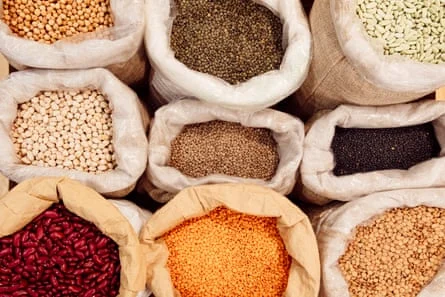
Do you think you’re not getting enough protein? This seemingly simple question, posed by Debbie Fetter, an associate professor in nutrition at the University of California, Davis, to her lecture hall of over 500 students, elicits a near-unanimous response: "almost every hand shoots up." This widespread perception underscores a significant shift in public health consciousness, where protein has ascended to the forefront of dietary concerns. A comprehensive 2024 survey of 3,000 Americans conducted by the International Food Information Council (IFIC) revealed that a majority are actively striving to increase their protein intake, a trend further amplified by research indicating that foods explicitly labeled "more protein" hold particular allure for consumers.
This heightened awareness, however, extends beyond mere quantity, prompting a more nuanced inquiry: are some protein sources inherently superior to others? Andrea Glenn, an assistant professor of nutrition at New York University, advises, “People should aim to get a variety of protein sources in their diet.” Navigating the complex landscape of individual nutritional requirements, dietary preferences, and broader environmental considerations becomes crucial for ensuring overall health and well-being. This article delves into the science of protein, explores the diverse array of its sources—both animal and plant-based—and offers a holistic perspective on making informed dietary choices.
The Protein Predicament: A National Obsession
The prevailing focus on protein isn’t accidental. It reflects a confluence of factors, including the pervasive influence of fitness culture, the rise of specialized diets (like keto and paleo), and a growing public interest in functional foods that support muscle maintenance, satiety, and weight management. The IFIC survey elaborated on this, indicating that consumers primarily associate higher protein intake with benefits such as increased fullness, improved energy levels, and stronger muscles. This has fueled a booming market for protein-fortified products, from yogurts and snacks to breakfast cereals, all vying for the attention of protein-conscious consumers. The food industry has responded vigorously, recognizing that "protein" has become a powerful marketing tool, often signaling health and performance.

Understanding Protein: The Building Blocks of Life
At its core, protein is a macronutrient indispensable for virtually every physiological process. It serves as the fundamental material for building and repairing tissues, from muscles and skin to hair and nails. Beyond structural support, proteins are vital for synthesizing enzymes that catalyze biochemical reactions, producing hormones that regulate bodily functions, and forming disease-fighting antibodies crucial for immune response.
Proteins are intricate molecules composed of smaller units called amino acids. The human body requires 20 different amino acids to function optimally. While it possesses the capability to synthesize 11 of these internally, the remaining nine, known as essential amino acids, must be acquired through dietary sources. A "complete protein" is one that provides all nine essential amino acids in sufficient quantities, typically found in animal products like meat, fish, eggs, and dairy, as well as certain plant-based options like soy and quinoa. "Incomplete proteins," common in many plant foods, may lack or be low in one or more essential amino acids, necessitating a varied plant-based diet to ensure all essentials are consumed.
Recent developments in US dietary guidelines reflect a re-evaluation of optimal protein intake. The latest recommendations advise adults to consume 1.2-1.6 grams of protein per kilogram of body weight per day, a notable increase from the previous standard of 0.8 grams per kilogram. This adjustment, while aimed at addressing potential shortfalls in certain populations and supporting healthy aging, has sparked debate among nutrition experts. Some critics express concern that such an elevated recommendation could inadvertently encourage less balanced diets, potentially displacing other crucial macronutrients like carbohydrates and healthy fats, or even lead to an overemphasis on animal proteins with higher saturated fat content.
The consequences of imbalanced protein intake are significant. Insufficient protein can manifest as muscle mass loss (sarcopenia), impaired immune function, anemia, and a slower metabolism. Conversely, chronic overconsumption of protein, particularly from sources high in saturated fat, can place undue strain on the kidneys, as highlighted by Nicole Stob, an assistant teaching professor of integrative physiology at the University of Colorado, Boulder. Debbie Fetter further cautions that simply consuming more protein does not automatically translate to increased muscle mass or lean body composition; the body has a limit to how much protein it can utilize for these purposes, with excess often being converted to energy or stored as fat.
Beyond Quantity: The Holistic View of Protein Sources
The discussion around protein has evolved from a singular focus on quantity to a more comprehensive understanding that emphasizes the source’s overall nutritional profile, environmental impact, and economic accessibility. As Fetter succinctly puts it, “There’s a time and place for all proteins,” with the optimal choice depending on individual needs and preferences.
Nutritional Diversity
Andrea Glenn underscores that "Protein is important, but it’s not the only thing that’s important for health." Different protein sources are packaged with a unique array of accompanying nutrients, such as fiber, vitamins, and minerals, which collectively contribute to overall health. For instance, plant-based proteins often come with dietary fiber and a spectrum of phytonutrients, while animal proteins provide highly bioavailable forms of certain vitamins and minerals. Glenn emphasizes the importance of prioritizing whole foods over ultra-processed options, as the latter often contain undesirable additives, excessive sodium, unhealthy fats, and refined sugars, even if fortified with protein.
Environmental Imperative
The environmental footprint of food production has become an increasingly critical factor in dietary choices. Plant proteins generally boast a significantly lower carbon footprint compared to animal proteins, with beef production being particularly resource-intensive. A landmark 2024 study published in Nature Food highlighted that reducing red meat consumption from four times a week to just twice a week could not only substantially shrink an individual’s carbon footprint but also contribute to increased longevity. Livestock farming, especially for beef, requires vast tracts of land for grazing and feed cultivation, consumes significant amounts of water, and generates substantial greenhouse gas emissions, primarily methane and nitrous oxide, which are far more potent than carbon dioxide. Shifting towards more plant-centric diets is widely recognized as a crucial strategy for mitigating climate change and promoting sustainable food systems.
Economic and Accessibility Considerations
The cost of protein sources also plays a role in dietary choices. While fresh fish can be expensive, canned varieties offer a more affordable alternative. Plant-based proteins like beans and lentils are generally very cost-effective, offering high nutritional value at a lower price point, making them accessible options for diverse socioeconomic groups.

A Deep Dive into Common Protein Sources
Understanding the specific benefits and drawbacks of various protein sources empowers consumers to make choices aligned with their health goals, ethical considerations, and environmental values.
Animal Proteins
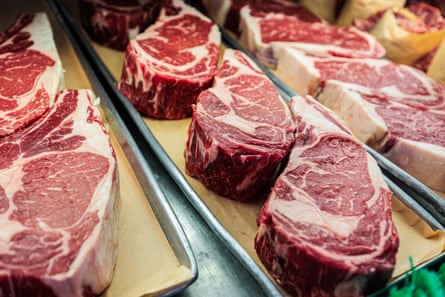
Beef
- Protein Content: Beef is a powerhouse of protein, though content varies by cut. For example, USDA data indicates that 85g (3oz) of ground beef typically provides about 22.2g of protein, while the same serving of beef shank cross-cuts can deliver approximately 28.6g. Leaner cuts generally offer a higher protein-to-fat ratio.
- Other Nutritional Benefits: As a complete protein, beef supplies all essential amino acids. It is also remarkably nutrient-dense, providing significant amounts of highly bioavailable iron, which is crucial for oxygen transport and preventing anemia; vitamin B12, essential for nerve function and DNA synthesis; zinc, vital for immune health; and niacin. Some research suggests that moderate portions of lean beef, integrated into a balanced diet, may not elevate heart disease risk and can even contribute beneficial omega-3 fatty acids, particularly in grass-fed varieties.
- Cons: A primary concern associated with beef, especially fattier cuts, is its potential for high cholesterol and saturated fat content. While the role of dietary cholesterol in blood cholesterol levels has been re-evaluated, high saturated fat intake is still linked to increased risk of cardiovascular disease. The Cleveland Clinic advises moderation, recommending smaller portions. The American Heart Association (AHA) encourages consumers to opt for beef products explicitly labeled "lean" or "extra lean" to minimize saturated fat and cholesterol. "Prime" cuts, while prized for flavor and tenderness, contain significantly more fat. Environmentally, beef has the highest carbon footprint among common protein sources.
Pork
- Protein Content: Fresh pork is a versatile protein. Approximately 30g (1oz) of fresh pork, chicken, or beef contains about 7g of protein. The exact protein content depends on the cut and preparation method. For instance, 100g of ham provides around 19g of protein, whereas 100g of lean pork chops can deliver up to 26.6g.
- Other Nutritional Benefits: Fresh pork is lauded by nutritionists as a high-quality, relatively low-cost protein. It is an excellent source of B-complex vitamins, notably thiamine (B1), niacin (B3), pyridoxine (B6), and cobalamin (B12), all crucial for energy metabolism and neurological health. It also supplies essential minerals like zinc and iron. A 2025 study on post-exercise recovery indicated that consuming lean pork protein after intense training could aid in reducing muscle soreness and inflammation more effectively than plant protein, attributed to pork’s richer content of creatine and specific amino acids beneficial for muscle repair.
- Cons: The most significant drawback of pork relates to its processed forms, such as bacon, ham, sausages, and hot dogs. These processed meats are strongly linked to an increased risk of cardiovascular disease, type 2 diabetes, and certain cancers. The World Health Organization (WHO) classifies processed meat as "probably carcinogenic to humans" (Group 2A), primarily due to the formation of N-nitroso compounds during processing and cooking. It is crucial to distinguish between lean, unprocessed pork and its processed counterparts when considering health implications.
Chicken

- Protein Content: Chicken is a popular and widely consumed protein source, offering substantial protein per serving. Depending on the cut and whether the skin is included, cooked chicken typically provides 23-31g of protein per 100g (3.5oz). For comparison, 100g of skinless, boneless chicken breast contains about 29.5g of protein, similar to 100g of cooked sockeye salmon (26.5g) and higher than 100g of tenderloin steak (21g).
- Other Nutritional Benefits: A 2023 Purdue University study reaffirmed lean, unprocessed chicken as a highly beneficial protein source. It is rich in essential nutrients including potassium, important for blood pressure regulation; iron, for oxygen transport; and a variety of B-group vitamins, vital for metabolism. Chicken is also a good source of phosphorus and selenium. Its versatility and relatively mild flavor make it a staple in many healthy diets.
- Cons: The nutritional value of chicken can be significantly altered by cooking methods and processing. While lean, unprocessed chicken is healthy, highly processed chicken products (like nuggets, deli meats, or pre-seasoned options) can be high in sodium and unhealthy fats. Chicken skin, though flavorful, is a concentrated source of saturated fat, which the British Heart Foundation advises limiting for heart health. Proper cooking is also essential to avoid foodborne illnesses like salmonella.
Fish
- Protein Content: Fish is an excellent source of lean protein. Johns Hopkins Medicine data suggests that 30g (1oz) of fish provides approximately 7g of protein. However, protein content varies subtly across species. USDA data shows that one fillet of raw tilapia contains about 23.3g of protein, while a raw cod fillet offers 17.7g. Fattier fish like salmon or tuna can also be very high in protein.
- Other Nutritional Benefits: Fish is celebrated for its rich content of omega-3 fatty acids (EPA and DHA), which are crucial for brain health, reducing inflammation, and lowering the risk of heart disease. It’s also a valuable source of vitamin D, vital for bone health and immune function; vitamin B12; iodine, essential for thyroid function; selenium, an antioxidant; and potassium. Compared to many other animal meats, fish generally contains less saturated fat. Both the FDA and the American Heart Association recommend adults consume two to three servings of fish per week to harness these extensive nutritional benefits.
- Cons: The primary drawback of fresh fish is its expense, making it less accessible for some consumers. Canned fish, such as tuna or sardines, offers a more affordable alternative. Another concern is the potential for mercury contamination in certain larger, longer-lived species like shark, swordfish, king mackerel, and tilefish. Pregnant women, breastfeeding mothers, and young children are advised to limit or avoid these high-mercury fish. Sustainable fishing practices and aquaculture also remain critical environmental considerations, with concerns about overfishing and the impact of fish farming on marine ecosystems.
Eggs
- Protein Content: Eggs are often called nature’s perfect protein. One large, whole egg contains approximately 6.2g of protein, according to USDA data, and this amount remains consistent whether cooked or raw. The protein is distributed between the yolk (about 2.7g) and the white (about 3.6g). Egg protein is highly digestible and provides an excellent amino acid profile, supporting skeletal muscle health and contributing to satiety, which can aid in appetite control.
- Other Nutritional Benefits: Eggs are remarkably nutrient-dense, providing energy from both protein and fat, along with a wealth of vitamins and minerals. The yolk, often overlooked, is a concentrated source of choline, critical for brain development and liver function; lutein and zeaxanthin, powerful antioxidants beneficial for eye health; vitamin E; iron; zinc; and magnesium. Egg whites are particularly valued as a "high-quality" protein due due to their exceptional digestibility, low fat, cholesterol, and calorie content. Historically, egg yolks faced scrutiny for their cholesterol content (around 186mg per large egg). However, more recent and robust research, including studies published in the American Journal of Clinical Nutrition and ScienceDirect, largely indicates that dietary cholesterol from eggs does not significantly raise the risk of heart attack, stroke, or other cardiovascular diseases in most healthy individuals. The Mayo Clinic now advises that most people can safely consume up to seven eggs per week without adverse effects on heart health.
- Cons: For the general healthy population, the "cons" of eggs have largely diminished with new research. However, individuals with specific health conditions (e.g., familial hypercholesterolemia) or those at high risk for cardiovascular disease might still be advised by their healthcare providers to moderate egg intake. As with chicken, proper cooking is important to mitigate the risk of salmonella.
Plant Proteins
Beans
- Protein Content: Beans are a cornerstone of plant-based diets and a versatile source of protein. Protein content varies slightly among varieties; for instance, a half cup of kidney beans offers about 8g of protein, while the same amount of refried beans contains 6g. Unlike most animal proteins, beans are considered "incomplete proteins" because they are typically low in one or more essential amino acids, most commonly methionine. However, combining beans with grains (like rice) or other plant proteins throughout the day creates a complete amino acid profile.
- Other Nutritional Benefits: Pulses, a category that includes beans, lentils, and peas, are highly nutritious foods linked to a reduced risk of chronic conditions such as heart disease, diabetes, and certain cancers. Beyond protein, garbanzo beans (chickpeas), for example, are a rich source of complex carbohydrates, B vitamins, and a wide array of minerals. Crucially, beans are exceptionally high in dietary fiber—both soluble and insoluble. This high fiber content is instrumental in lowering cholesterol levels, stabilizing blood sugar, preventing constipation, and promoting weight management by increasing satiety. Glenn emphasizes this advantage: “Compared to some animal sources, beans may contain a little bit less protein, but at the same time, you’re also getting fiber, which most Americans are not getting enough of.” Research by Glenn and others suggests that substituting red and processed meats with plant proteins can yield significant cardiovascular benefits, with a 2021 study in the Journal of the American Heart Association linking a plant-centered, high-quality diet in young adulthood to a lower risk of cardiovascular disease by middle age. Fetter notes that people who primarily derive their protein from plants often exhibit improved health outcomes and body composition.
- Cons: For individuals unaccustomed to fiber-rich foods, consuming large quantities of beans can lead to gastrointestinal discomfort, including bloating and gas. Nutrition experts recommend gradually increasing fiber intake to allow the digestive system to adjust. Individuals with Irritable Bowel Syndrome (IBS) may also find certain types of beans problematic.
Lentils

- Protein Content: Lentils, another pulse, are an excellent plant-based protein source. A half cup of cooked lentils provides approximately 9g of protein, making them comparable to many meat sources on a per-calorie basis. Like beans, lentils are generally considered incomplete proteins, meaning they should be combined with other protein sources like grains (e.g., rice or bread) or tofu to ensure a complete amino acid profile over the course of the day.
- Other Nutritional Benefits: Lentils are packed with manganese, potassium, iron, a significant amount of dietary fiber, and folate (folic acid), which is crucial for cell growth and DNA formation. They also contain beneficial plant chemicals called polyphenols, which possess antioxidant properties and have been linked to reduced blood pressure. Lentils are naturally lower in calories than most animal proteins and contain no saturated fat. Scientific studies have demonstrated a link between regular lentil consumption and a reduced incidence of chronic diseases such as diabetes, obesity, certain tumors, and cardiovascular diseases. Furthermore, research suggests that eating lentils can enhance feelings of fullness, thereby supporting weight management efforts. Glenn recommends incorporating lentils into dishes like meatloaf and spaghetti bolognese as a nutritious and sustainable alternative to meat. While cooking methods like boiling can cause some vitamin loss, protein content typically remains stable. Lentils also offer advantages in terms of affordability and a long shelf life, making them a practical and economical dietary choice.
- Cons: Similar to beans and other high-fiber options, lentils can cause digestive issues such as gas and bloating, particularly for those whose diets are not accustomed to high fiber. Introducing them gradually into the diet can help mitigate these symptoms.
Tofu
- Protein Content: Tofu, derived from soybeans, is a versatile and complete plant-based protein, meaning it provides all nine essential amino acids. Its protein content varies by firmness and brand, with "super firm" varieties often listing higher protein counts. On average, a half cup of firm tofu contains roughly 21.8g of protein, making it a highly concentrated protein source. This is generally more protein per calorie and per serving than most cooked beans; for example, one cup of boiled black beans contains about 15.2g of protein.
- Other Nutritional Benefits: Soy-based foods, including tofu, are rich in B vitamins, dietary fiber, potassium, and magnesium. When calcium sulfate is used as a coagulant during its production, tofu becomes an excellent source of calcium, vital for bone health. Tofu also contains natural plant compounds called isoflavones, which are structurally similar to estrogen. A 2020 study published in Circulation found that higher intake of isoflavones and tofu was associated with a moderately lower risk of coronary heart disease. Other research suggests a link between tofu consumption and a lower risk of osteoporosis and breast cancer, though the exact mechanisms and extent of these benefits are still under investigation. Tofu is higher in fat than some other plant proteins like lentils or beans, but it predominantly contains heart-healthy polyunsaturated fats. Softer tofu varieties generally have less fat than firmer ones.
- Cons: The main contraindication for tofu consumption is a soy allergy. While there were historical concerns and debates regarding the phytoestrogen content of soy and its potential hormonal effects, particularly in men, the vast majority of scientific evidence now supports the safety and health benefits of moderate soy consumption for most individuals.
Protein Powders
- Protein Content: Protein powders serve as dietary supplements, offering a concentrated source of protein derived from various sources, including whey (from dairy), casein (also dairy), egg, pea, soy, and rice. A typical serving of protein powder contains approximately 20-25g of protein, as noted by the Mayo Clinic.
- Other Nutritional Benefits: Some protein powders are fortified with additional vitamins and minerals, such as potassium and calcium, to enhance their nutritional profile. However, researchers caution that there can be discrepancies between the ingredients listed on the label and the actual contents of the product. The primary benefit remains their convenience and ability to quickly boost protein intake, particularly beneficial for athletes or individuals with increased protein needs who may struggle to meet them through whole foods alone.
- Cons: A critical concern with protein powders is the lack of stringent regulation by the FDA, as they are classified as dietary supplements. This means manufacturers are not required to prove their products’ safety or efficacy before market release, and there can be variability in ingredient quality and accuracy of labeling. Fetter strongly recommends choosing products that have undergone third-party testing by reputable organizations (e.g., NSF Certified, USP Verified, Informed-Sport) to ensure purity, potency, and absence of contaminants.
Protein powders are designed to supplement a diet, not replace whole foods. Glenn emphasizes, “I encourage people to get some whole food sources in there, and not just rely on protein powders or shakes for their protein sources.” Relying solely on powders can lead to a deficiency in other vital nutrients found in whole foods, such as fiber, phytonutrients, and a broader spectrum of vitamins and minerals.
Furthermore, excessive protein intake from powders does not automatically translate into more muscle and can lead to excess calories if not balanced with overall energy expenditure. Many protein powders, especially flavored varieties, may contain high levels of sugar, artificial sweeteners, and fillers (e.g., maltodextrin, gums) to improve texture and taste. These additives can increase calorie content and dilute the actual protein concentration, as highlighted by research in PMC. There has also been a documented risk of heavy metal contamination, including lead, in some protein powders, as reported by Consumer Reports. While the New York Times noted that the levels of exposure might not pose immediate harm, long-term exposure remains a concern, reinforcing the importance of third-party testing.
Navigating Your Protein Journey: A Balanced Approach
The journey to optimal protein intake is not a one-size-fits-all endeavor. It requires a thoughtful consideration of individual health needs, ethical stances, and environmental consciousness. The overarching consensus from nutrition experts is that variety is paramount. Integrating a diverse range of protein sources—both animal and plant-based—ensures a comprehensive intake of essential amino acids and a broader spectrum of complementary nutrients.
Practical advice for consumers includes prioritizing whole, unprocessed foods over their ultra-processed counterparts. This means choosing lean cuts of meat, fresh fish, eggs, and a rich assortment of beans, lentils, and soy products. For those considering reducing their environmental footprint, a gradual shift towards more plant-centered meals, substituting red meat with legumes, poultry, or fish, can yield significant benefits without compromising nutritional adequacy.
Debbie Fetter’s observation that "What we see from the evidence is that people who opt to make most of their protein sources come from plants have improved health outcomes and body composition" provides a compelling argument for embracing plant-based options. This doesn’t necessarily mean adopting a purely vegetarian or vegan diet, but rather consciously increasing the proportion of plant-derived proteins in one’s daily intake.
The Future of Protein: Shifting Paradigms
As scientific understanding evolves and global challenges like climate change intensify, the landscape of protein consumption is continuously shifting. Consumer awareness of the intricate links between diet, health, and environmental impact is growing. This awareness is driving innovation in the food industry, leading to the development of novel plant-based proteins, sustainable aquaculture practices, and a greater emphasis on nutrient-dense, whole-food options.
Ultimately, making informed protein choices is an empowering step towards not only personal health but also planetary well-being. By understanding the nuances of different protein sources—their nutritional benefits, potential drawbacks, and broader implications—individuals can cultivate dietary habits that support a vibrant life while contributing to a more sustainable future. The modern protein puzzle is complex, but with expert guidance and a commitment to variety, it is a puzzle that can be solved for the benefit of all.