
 Danny Garick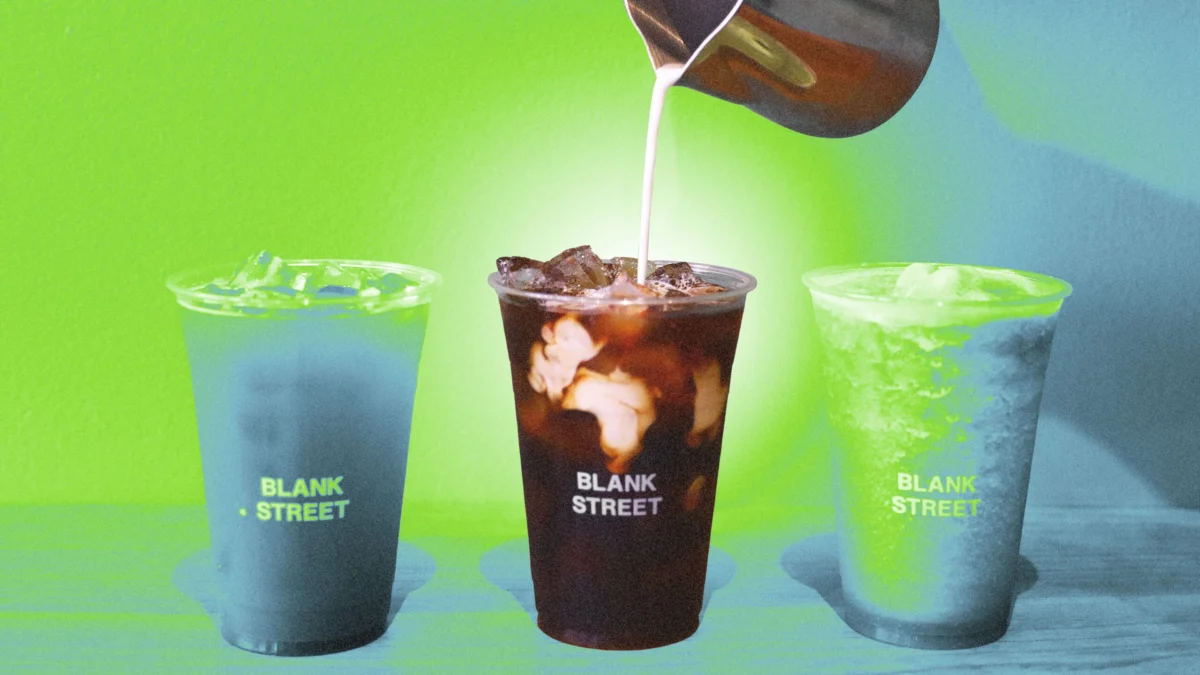
In an era where personal hydration accessories have evolved from simple utility items into ubiquitous lifestyle markers, the boundaries of professional conduct have increasingly collided with contemporary habits. From gym sessions to high-stakes board meetings, the water bottle—and by extension, the coffee cup—has become a constant companion in the modern professional’s day. This shift has prompted a vigorous debate regarding the appropriateness of bringing beverages into formal settings, specifically job interviews. The central question currently animating HR circles and social media platforms alike is whether carrying an iced coffee into a professional interview serves as a sign of casual incompetence or a harmless artifact of modern life.
The controversy originated from a viral video posted by Caitlin Wehniainen, a veteran recruiter with 16 years of experience specializing in high-level, corporate placements. Wehniainen’s critique, which specifically targeted the habits of Gen Z candidates, suggested that arriving at an interview with a plastic cup of iced coffee signals that the candidate views the interview as a low-priority task—merely one errand among many in a busy schedule. This assessment ignited a firestorm of discourse, highlighting a generational divide in the interpretation of professionalism and the evolving expectations of the workplace.
Chronology of the Professionalism Debate
The discourse began in earnest following Wehniainen’s TikTok post, which served as a catalyst for a broader societal reflection on how we define "professionalism." Her assertion—that an iced coffee creates an image of insufficient preparation—was met with immediate pushback from younger job seekers. The debate unfolded across multiple digital platforms, including TikTok, Threads, and LinkedIn, creating a fragmented but intense dialogue.
Initially, the conversation focused on the aesthetic of the cup itself. Commenters debated whether the branding on a disposable plastic cup contributed to a "distracted" appearance, while others defended the necessity of caffeination in a high-pressure job market. By the end of the first week of the discourse, the conversation had shifted from personal preference to the systemic implications of hiring biases. Critics pointed out that rigid adherence to "professional" standards often fails to account for diverse needs, including medical requirements for hydration or the reality of commuting in urban environments where access to beverages is limited.
The Psychology of First Impressions
Recruitment experts often cite the "thin-slicing" theory, a psychological concept where individuals make complex decisions about others based on very thin slices of information—such as the first few seconds of an interview. In a corporate environment, this often includes non-verbal cues, attire, and general presentation.
From a recruiter’s perspective, the iced coffee is not merely a drink; it is an object that occupies physical space and requires attention. When a candidate holds a cup, they are managing an external object during a high-stakes conversation. For some, this introduces an element of informality that contrasts with the traditional "buttoned-up" expectation of Fortune 500 companies. However, this perception is highly subjective. A manager raised in an era of strict dress codes may view the drink as a lack of focus, whereas a manager from a more fluid, remote-work-oriented background may view the same cup as a non-issue, or even as a sign that the candidate is a functioning adult capable of managing their own biological needs.
Data and Trends in Workplace Norms
Data on office etiquette has shifted dramatically over the past five years. According to a 2023 report on workplace trends, approximately 62% of companies have moved toward "business casual" or "flexible" dress codes. This transition has led to a softening of previously ironclad rules regarding office behavior.
However, the interview remains a distinct category. Unlike the day-to-day work environment, the interview is a performance. Research from the Society for Human Resource Management (SHRM) indicates that 70% of recruiters still believe that "professional demeanor"—which includes how a candidate carries themselves in a physical space—is a top-three factor in the final hiring decision. Yet, there is a lack of empirical evidence suggesting that the presence of a beverage correlates with job performance. The conflict, therefore, is rooted in symbolic capital rather than actual capability.
Diverse Perspectives on Accessibility and Inclusion
One of the most significant developments in this discourse is the invocation of disability advocacy. Career coach Erin McGoff, who has weighed in on the issue, notes that the "no-coffee" rule can inadvertently become a barrier for those with specific health conditions. For individuals with chronic illnesses, such as POTS (Postural Orthostatic Tachycardia Syndrome) or other conditions requiring consistent fluid intake to manage blood pressure or medication side effects, a drink is a medical necessity rather than a beverage of choice.
When corporate standards dictate that candidates must refrain from bringing items into an interview, they may inadvertently signal an environment that is not accommodating to diverse physical needs. This has led to a call for more flexible interview protocols. Instead of banning items, some experts suggest that recruiters should explicitly offer water to candidates upon arrival, which creates a welcoming environment and removes the ambiguity of the candidate’s personal beverage choice.
Bridging the Gap: Practical Recommendations
For job seekers, the dilemma remains a source of anxiety. If the goal is to eliminate any potential for bias, the path of least resistance is often the most strategic. Experts like McGoff suggest that if a candidate feels the need to consume a beverage before or during an interview, the choice of vessel matters as much as the content.
A sleek, reusable, neutral-colored thermos or stainless-steel bottle is generally perceived as more professional than a single-use plastic cup with a branded logo. The former suggests a level of preparedness and sustainability, while the latter can be interpreted as "errand-running" behavior. Furthermore, finishing the beverage before entering the interview room—or leaving it in a bag—is a simple way to avoid the "hand-holding" distraction entirely.
The Broader Implications for the Future of Work
Ultimately, the debate over iced coffee is a proxy war for the future of the workplace. It reflects a tension between the traditional, top-down structures of the 20th-century corporate world and the more transparent, inclusive, and human-centric expectations of the modern workforce.
Recruiters who insist on strict adherence to unspoken etiquette rules may risk alienating top-tier talent who prioritize environments that value output over optics. Conversely, candidates who ignore the reality of these "unspoken rules" may find themselves penalized in environments that still value traditional decorum. As McGoff notes, the rules exist, and they are often unfair, but awareness of these dynamics is a form of professional intelligence.
The discourse also highlights the role of social media in shaping professional standards. Platforms like TikTok have democratized the "insider" knowledge of the hiring process, allowing candidates to hear directly from recruiters about their biases. While this can lead to "viral" oversimplifications, it also forces a much-needed conversation about the outdated nature of certain professional requirements.
As the labor market continues to evolve, the definition of professionalism will likely continue to shift away from rigid, aesthetic-based standards and toward a more pragmatic focus on communication, skill, and cultural fit. Until that shift is complete, candidates are left in a precarious middle ground: navigating the nuanced, often frustrating reality of perceptions that have yet to catch up to the current, more fluid era of work. The iced coffee issue serves as a reminder that in the eyes of an employer, every detail—no matter how small—is potentially subject to interpretation. Whether that interpretation is accurate or fair remains secondary to the fact that it happens, and successful navigation of the modern job market requires an understanding of these invisible boundaries.









